



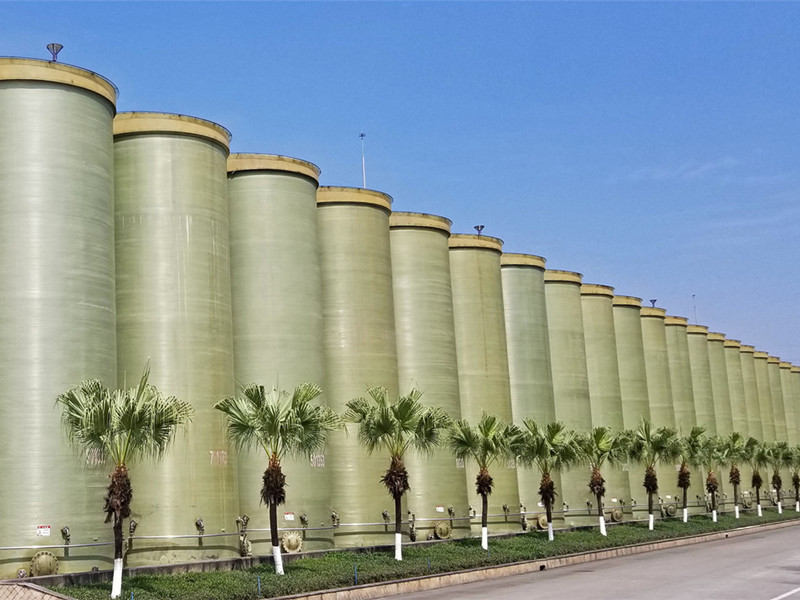
fiber reinforced plastic tank
The Advantages of Fiber-Reinforced Plastic Tanks
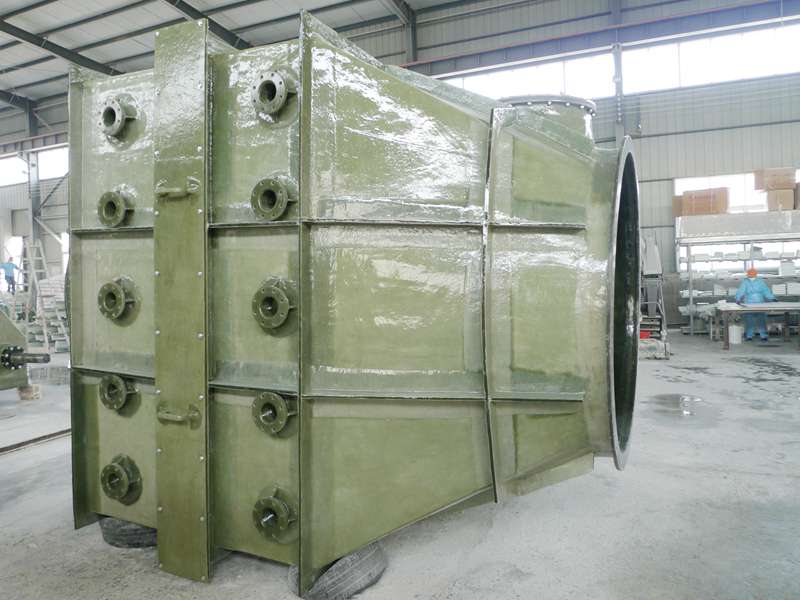
Fiber-reinforced plastic (FRP) tanks have emerged as a superior solution for various industrial applications over traditional materials such as metal or concrete. Utilizing a combination of plastic polymers reinforced with fibers (commonly glass or carbon fibers), these tanks offer numerous benefits that make them an increasingly popular choice for storage and containment of liquids and gases.
Durability and Longevity
One of the main advantages of FRP tanks is their exceptional durability. They possess a high resistance to corrosion, which is crucial when dealing with a wide range of chemicals, including acids and alkalis. Unlike metal tanks that can corrode over time, leading to leaks and structural failure, FRP tanks maintain their integrity even in harsh environments. This longevity significantly reduces maintenance costs over the lifespan of the tank.
Additionally, FRP tanks are designed to withstand extreme weather conditions, including high humidity, UV exposure, and temperature fluctuations. This resilience makes them ideal for outdoor storage applications, where they are subject to the elements.
Lightweight and Easy to Transport
Another significant benefit of fiber-reinforced plastic tanks is their lightweight nature. Compared to traditional metal tanks, FRP tanks are much lighter, making them easier to transport and install. The reduction in weight does not compromise their strength; in fact, FRP tanks can be designed to meet specific structural requirements while remaining manageable. This characteristic is particularly advantageous for industries where space and access may be limited, as it allows for easier placement and installation.
Customizable Design
FRP tanks offer a level of design flexibility that is not typically available with conventional materials. Manufacturers can tailor the size, shape, and storage capacity of these tanks to meet specific customer needs. Whether it’s a large tank for industrial processes or a smaller unit for specialized applications, FRP tanks can be fabricated to fit any requirement. Furthermore, the ability to incorporate additional features such as insulation, specialized coatings, and advanced monitoring systems adds to their versatility.
fiber reinforced plastic tank
Cost-Effectiveness
While the initial investment in fiber-reinforced plastic tanks might be higher than some traditional materials, the long-term savings they provide can be significant. The combination of less frequent maintenance, longevity, and energy efficiency means that the overall lifecycle cost of FRP tanks can be lower than that of metal or concrete alternatives. Additionally, their resistance to chemical attack reduces the potential risks of spills and the subsequent costs associated with cleanup and regulatory compliance.
Environmental Benefits
In today’s environmentally conscious world, the use of fiber-reinforced plastics also aligns with sustainability goals. FRP tanks are often manufactured with lower energy inputs compared to traditional materials, and their durability means that they do not need to be replaced as frequently. Furthermore, many manufacturers are exploring the use of recycled materials in the production of FRP, helping to reduce waste and promote a circular economy.
Applications Across Industries
Fiber-reinforced plastic tanks find applications in various industries, including chemical processing, water treatment, food and beverage, and petroleum. Their ability to store aggressive chemicals makes them invaluable in chemical manufacturing, while their lightweight and corrosion-resistant properties serve well in water treatment facilities. In the food and beverage sector, FRP tanks are used for the storage of ingredients, ensuring that no contamination occurs, thereby maintaining food safety standards.
Conclusion
In conclusion, fiber-reinforced plastic tanks are a robust and versatile solution for numerous storage applications. With their durability, lightweight nature, customizability, cost-effectiveness, environmental benefits, and broad range of applications, they stand out as an ideal choice for industries looking to innovate and improve their operational efficiency. As the demand for sustainable and resilient storage solutions continues to grow, it is likely that FRP tanks will play an even more significant role in the future of material science and industrial storage.


Latest news
-
Oblate Tanks: Space-Saving, Durable Liquid Storage SolutionsNewsAug.27,2025
-
High-Performance Piping System Solutions for Industry & Commercial UseNewsAug.26,2025
-
Precision Fittings: Durable & Reliable Industrial & Plumbing SolutionsNewsAug.25,2025
-
Practical Steps: Unlock Success with Our Proven GuidesNewsAug.24,2025
-
Transport Tanks: Safe, Durable & Efficient Liquid HaulingNewsAug.23,2025
-
High-Quality Piping Systems for Efficient Flow & DurabilityNewsAug.22,2025