



FRP Chimney Construction and Installation for Industrial and Commercial Applications – Durable, Efficient, Sustainable
Why FRP Chimney Construction and Installation for Industrial and Commercial Use Matters Today
When you think of chimneys, the image that likely pops into your mind involves bulky brick stacks spewing smoke from traditional factories. Yet, a silent revolution is underway with FRP chimney construction and installation for industrial and commercial applications. This lightweight, corrosion-resistant alternative is reshaping how industries worldwide handle exhaust management, smokestacks, and pollution control.
This topic might seem niche, but it’s surprisingly significant. Globally, with growing environmental regulations and a push toward sustainable industrial processes, the need for efficient, durable chimneys has never been greater. FRP (fiber-reinforced polymer) chimneys offer benefits like resistance to harsh chemical environments, ease of installation, and long-term cost savings that traditional masonry or steel structures struggle to match.
The Global Context: A Changing Industrial Landscape Calls for Innovative Chimney Solutions
Industrial growth is accelerating worldwide, especially in Asia-Pacific and Africa, where factories and power plants are vital components of economic development. According to the United Nations Industrial Development Organization (UNIDO), industries contribute about 30% to global GDP but are also responsible for a significant share of emissions. Regulations under agreements like the Paris Accord require better emission controls, thus making chimney infrastructure critical.
Here’s the kicker: traditional chimneys often fail prematurely due to corrosion and weathering, leading to expensive repairs and downtime. That’s where FRP chimney construction and installation for industrial and commercial usage really shine. They answer a crucial industry need for sustainable, robust exhaust stacks that handle corrosive gases without succumbing to damage.
Mini takeaway:
As environmental policies tighten, industries worldwide are turning to innovative materials like FRP for chimneys that last longer, cost less, and pollute less.
What Is FRP Chimney Construction and Installation for Industrial and Commercial Purposes?
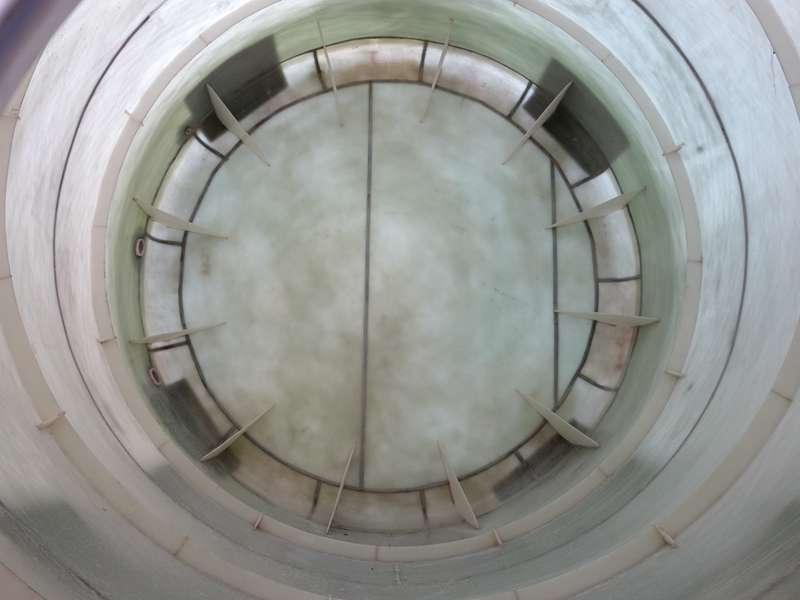
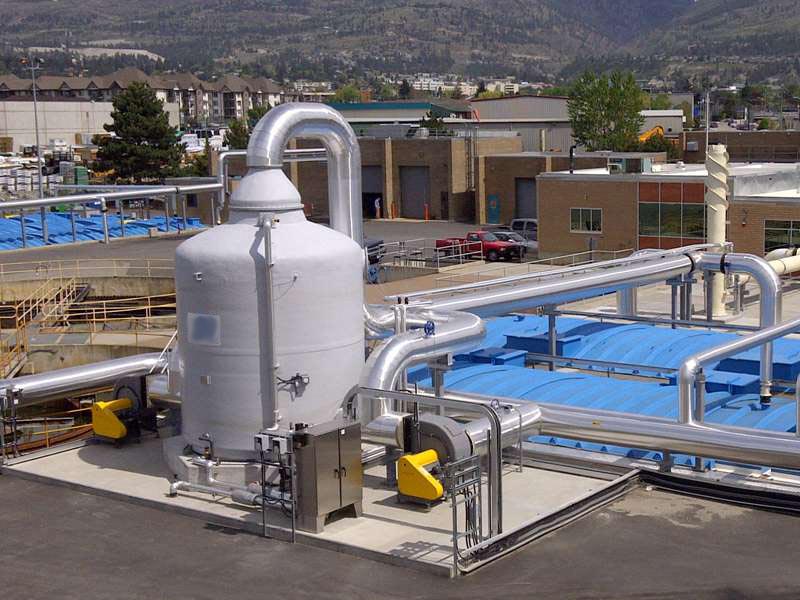
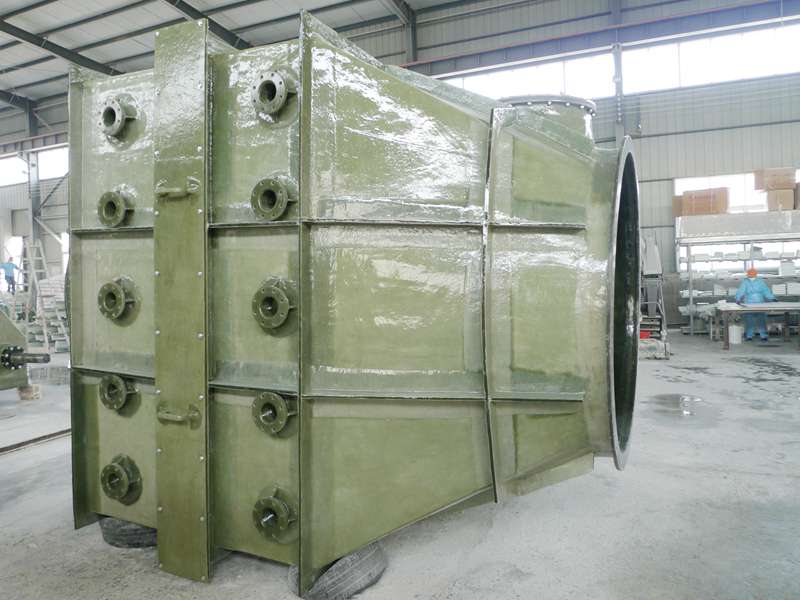
In layman's terms, an FRP chimney is essentially a hollow, tall exhaust stack composed primarily of glass or carbon fiber reinforced plastic. Manufacturers mold these stacks to specific industrial requirements. The composite materials used make them incredibly resistant to heat, chemicals, and moisture—meaning the infamous acid rain or sulfur dioxide fumes won’t corrode them quickly.
These chimneys are typically prefabricated in modular sections that can be swiftly installed on-site, aiding factories or industrial parks in minimizing operational downtime. It’s a perfect fit for both continuously running plants and those in remote or environmentally sensitive areas.
Mini takeaway:
FRP chimneys are durable, lightweight stacks made from composite materials, tailored to combat the harsh realities of industrial exhaust.
Key Components of FRP Chimney Construction and Installation
1. Durability
FRP stacks resist corrosion from acids and salts, which are common in industrial exhausts—this means they last significantly longer than concrete or metal alternatives.
2. Lightweight Modular Design
These chimneys come in modular sections, cutting down on transportation challenges and speeding up installation processes. It’s not just about convenience; lighter materials reduce building foundation costs dramatically.
3. Chemical Resistance
FRP is excellent against aggressive gases like hydrochloric acid vapors or sulfur compounds. This property broadens its usefulness across industries from pulp and paper to power generation.
4. Fire and Heat Resistance
While FRP doesn’t conduct heat like metal, it’s engineered to tolerate the elevated temperatures typical of industrial stacks, ensuring safety and performance.
5. Cost Efficiency
Even though FRP chimneys might have a higher upfront cost than some metals, their longevity and minimal maintenance often translate into lower lifecycle expenses.
Mini takeaway:
In practical terms, these traits mean less repair downtime, fewer safety risks, and overall operational savings—pretty compelling reasons if you ask me.
Where Are FRP Chimneys Changing the Game?
Across Europe, many chemical processing plants have adopted FRP stacks to meet strict emission guidelines while reducing infrastructure costs. In industrial zones in India and China, FRP chimneys have been rapidly replacing traditional steel stacks where corrosive emissions are high. Even in remote oil refineries in the Middle East and Africa, units benefit from FRP’s transport-friendly modular design.
An interesting case was in a Scandinavian paper mill where existing chimneys corroded prematurely due to sulfurous gas exposure. Switching to FRP chimney installation reduced downtime while improving emission compliance—industry experts say this move saved millions over five years.
Mini takeaway:
FRP chimneys are progressively embedded across industries worldwide—handling environmental challenges that older technologies struggle with.
Benefits of FRP Chimney Construction and Installation for Industrial and Commercial Use
- Long-Term Durability: Resistant to corrosion ensures longer service life.
- Cost Savings: Lower maintenance and foundation costs.
- Environmental Compliance: Improved emissions handling helps meet regulations.
- Safety and Reliability: Thermal and fire resistant materials enhance workplace safety.
- Installation Speed: Prefabricated modules help reduce plant downtime during rebuilds or upgrades.
There's a subtle emotional value here too — giving factory workers and nearby communities confidence in air quality and structural safety counts for something, especially as industries move toward greener practices.
Product Specification Table: Typical FRP Chimney
| Specification | Value |
|---|---|
| Material | Glass Fiber Reinforced Polymer (GFRP) |
| Max Operating Temperature | 120°C (248°F) |
| Corrosion Resistance | Excellent against acids and salts |
| Standard Diameters | 0.5 m to 4 m |
| Modular Section Length | 3 m to 6 m |
| Installation Time | Up to 50% faster than steel chimneys |
Comparing Top Vendors for FRP Industrial Chimney Solutions
| Vendor | Product Range | Price Range (USD) | Lead Time | Customization |
|---|---|---|---|---|
| Jrain FRP Solutions | 0.5-4m diameter, customizable length | $$$ | 4-6 weeks | Full customization available |
| FiberStack Inc. | Standard diameters, modular | $$ | 6-8 weeks | Limited customization |
| CorroShield Technologies | High-temp resistant FRP chimneys | $$$$ | 8-10 weeks | Custom engineering on request |
What’s Next? Trends and Innovations in FRP Chimney Technologies
The future looks, quite frankly, exciting. Researchers are exploring nanomaterial-infused FRPs that could push corrosion resistance even further, while new digital tools enable engineers to model chimney performance under extreme weather or emissions scenarios via AI simulations. Some companies are integrating sensors right into the FRP matrix to monitor structural health in real time, which can prevent disasters and reduce maintenance costs.
Sustainability remains a big driver. With circular economy principles gaining traction, vendors aim to produce recyclable or bio-based resins for FRP stacks. I’d expect the sector to become greener and more intelligent within the next decade.
Challenges and How Industry Is Tackling Them
It’s not all roses, though. One persistent hurdle is the upfront investment, which some small-scale plants find daunting. Additionally, manufacturing modular sections requires precise quality control — a lapse can jeopardize the entire installation.
Expert engineers recommend partnering with experienced vendors who provide thorough testing and warranties. Plus, modular designs now accommodate flexible retrofitting options, easing integration into existing plants. Having a reliable lifecycle analysis also helps buyers justify the higher initial costs by revealing total return on investment.
FAQ: Your Top Questions on FRP Chimney Construction and Installation
- Q1: How long does an FRP chimney typically last in industrial conditions?
- A1: Properly maintained FRP chimneys can last 20 to 30 years or more, especially given their corrosion resistance compared to steel or concrete stacks, which often need repairs within 10-15 years.
- Q2: Are FRP chimneys suitable for high-temperature exhausts over 150°C?
- A2: Most standard FRP chimneys handle up to 120°C; however, specialized high-temp resins and hybrid composites can push this higher, though for extreme heat, steel or ceramic-lined solutions may be better.
- Q3: Is installation of prefabricated FRP chimneys faster than traditional stacks?
- A3: Absolutely. Modular design allows installation up to 50% faster, significantly cutting plant downtime and labor costs compared to on-site brick or steel chimney assembly.
- Q4: How eco-friendly are FRP chimneys?
- A4: While FRP manufacturing involves resins that are petroleum-based, their longevity and reduced need for repairs lower environmental impact over time. Emerging bio-based resins are improving their green credentials further.
Wrapping Up: The Long-Term Promise of FRP Chimneys in Industry
To sum it up — as industries strive for cleaner operations, safer workplaces, and smarter investments, frp chimney construction and installation for industrial and commercial applications stand out as practical, future-proof solutions. They combine resistance, convenience, and adaptability in ways traditional chimneys simply can’t compete with.
If you’re overseeing industrial facility upgrades or pollution mitigation projects, seriously consider FRP chimneys for your next build or retrofit. For detailed advice and tailored solutions, visit frp chimney construction and installation for industrial and ... today — nothing beats experienced guidance.
Sources & References
Latest news
-
Industrial High Pressure Fiberglass Pipe Guide and Technical SpecsNewsApr.16,2026
-
Industrial Storage Guide for Fiberglass Chemical TanksNewsApr.09,2026
-
Explore Durable and Customizable Custom Fiberglass Tanks for Your IndustryNewsApr.07,2026
-
Comprehensive Guide to Fiberglass Roof Tanks for Liquid Storage SolutionsNewsApr.04,2026
-
Comprehensive Guide to Durable and Corrosion Resistant Glass Fiber TanksNewsMar.31,2026
-
Comprehensive Guide to Tank Fiberglass Solutions and Their Diverse ApplicationsNewsMar.28,2026