



FRP Rectangular Tank: Durable & Efficient Storage Solutions for Global Needs
Understanding FRP Rectangular Tanks: A Global Perspective
FRP rectangular tanks might sound like just another industrial container at first, but if you look closer, they play a surprisingly vital role in sectors ranging from water storage and wastewater treatment to food processing and pharmaceuticals. In a world where efficient and reliable storage solutions are paramount—especially in challenging environments—the demand for well-designed frp rectangular tank systems has surged. Frankly, it’s about more than just holding liquids; it’s about durability, safety, and sustainability on a global scale.
Why Does This Matter Globally?
According to the United Nations, access to safe water and sanitation is a key Sustainable Development Goal (SDG 6)—and well-engineered storage tanks are a hidden backbone in this story. Across drought-prone areas, industrial hubs, and disaster zones alike, the need for resilient storage solutions that don’t corrode or leach chemicals is undeniable. For instance, FRP rectangular tanks offer a lightweight yet strong alternative to metal or concrete tanks, costing less in the long run while maintaining strict hygiene standards. Attempting to tackle global challenges without dependable storage? That’s a recipe for inefficiency or worse.
What Exactly is an FRP Rectangular Tank?
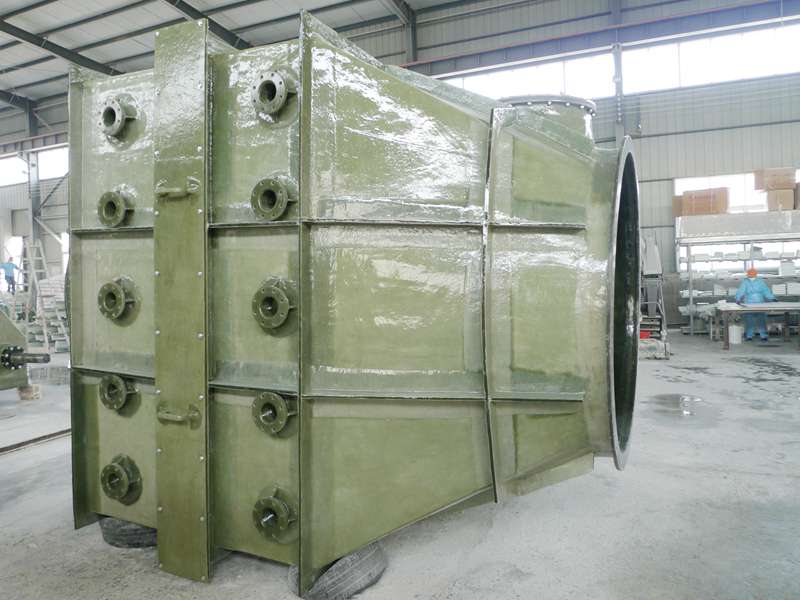
At its core, an FRP rectangular tank is a storage container made from Fiber Reinforced Polymer (FRP) materials, typically constructed with fiberglass embedded in resin. This composite is prized for its corrosion resistance, strength-to-weight ratio, and ease of customization. Unlike steel tanks that rust or concrete tanks that crack, FRP tanks hold up well against harsh chemicals and varying temperatures—making them almost tailor-made for modern industrial and humanitarian applications. They often come prefabricated or modular, which means quick installation and adaptability.
In practical terms: these tanks are everywhere—from pharmaceutical plants that need contaminant-free storages, to remote villages where water cisterns can’t be replaced or repaired easily.
Key Attributes of FRP Rectangular Tanks That Matter
1. Durability and Chemical Resistance
One of the biggest draws is how these tanks shrug off the long-term effects of acids, alkalis, and salty environments where metal tanks would fail. This durability extends the service life remarkably—sometimes to 25 years or more under proper maintenance.
2. Lightweight Yet Strong Construction
FRP tanks are significantly lighter than steel or concrete equivalents, which makes them easier to transport and install, particularly in remote or disaster-stricken areas. This feature alone can reduce both labor and transportation costs dramatically.
3. Cost Efficiency Over Time
Sure, the upfront price of FRP tanks might seem higher than cheaper materials, but it pays off in reduced maintenance, repairs, and downtime. Add to that less frequent replacements and you’ve got a smart investment.
4. Scalability and Customization
Because of their modular design options, these tanks can be built to size, with different thicknesses or internal linings tailored to the project. From tiny chemical batches to thousands of gallons of potable water, the tank adapts.
5. Hygiene and Safety Compliance
FRP tanks meet many international hygiene standards, making them well-suited for food, beverage, and pharmaceutical industries where purity is king.
FRP Rectangular Tank Product Specifications
| Specification | Typical Value | Remarks |
|---|---|---|
| Material Composition | Fiberglass & Thermoset Resin | Polyester or Vinylester resin used |
| Standard Dimensions | Customizable (start 1x1x1 m³) | Modular panel design |
| Max Operating Temp. | 65°C (150°F) | Depends on resin type |
| Chemical Resistance | Excellent for acids & alkalis | Suitable for industrial effluents |
| Expected Service Life | 20-30 years | With regular inspection & maintenance |
Global Applications and Real-World Use Cases
FRP rectangular tanks have cropped up in some of the most unexpected and crucial contexts worldwide. In Southeast Asia, they’re common in rural water storage projects where local municipalities struggle with clean water infrastructure. The lightweight quality makes transporting via difficult terrain much simpler.
In industrial centers across Europe and North America, FRP tanks store corrosive chemicals safely, protecting workers and minimizing contamination risks. Oddly enough, they also find a niche in disaster relief—NGOs often prioritize FRP tanks during emergencies like floods or earthquakes, setting up potable water reserves quickly.
Even military operations in harsh environments use FRP tanks for fuel and water due to their portability and durability. In essence, their adaptable design means they fit wherever durability and hygiene are non-negotiable.
Vendor Comparison: Key Players in FRP Rectangular Tanks
| Vendor | Product Range | Customization | Price Range | Lead Time |
|---|---|---|---|---|
| Jrain FRP | Rectangular, cylindrical tanks & more | Highly customizable thickness & size | Mid to high | 4-6 weeks |
| Global Tank Solutions | Mostly cylindrical models | Limited to size presets | Low to mid | 6-8 weeks |
| Fiberglass Works Inc. | Wide industrial range | Moderate customization | Mid | 5-7 weeks |
Advantages & Long-Term Value of FRP Rectangular Tanks
- Cost Savings: Reduced maintenance means wallets stay happier.
- Sustainability: Durable materials mean fewer replacements and less waste.
- Safety & Hygiene: Non-corrosive surfaces help keep contents pure, which is a big deal in food and pharma.
- Reliability: Their strength and weather-resistance build user trust over decades.
Emotionally, you get peace of mind, knowing you're not constantly chasing leaks, rot, or contamination. Plus, innovation in composites continues to push these tanks toward greener and smarter solutions.
Future Trends & Innovations in FRP Tank Technology
We’re just starting to see the impact of integrating smart sensors into tanks, enabling real-time condition monitoring—think alerts for micro-cracks or temperature shifts. On the materials side, newer resins and bio-composites aim to reduce environmental impact further. Automation in manufacturing promises faster custom builds, and tighter global regulatory standards (like ISO 9001 and EPA guidelines) shape safer, greener tanks.
Challenges & How Experts Overcome Them
FRP tanks aren’t perfect. Exposure to UV light can degrade them unless properly coated. Also, extreme heat beyond 65°C might compromise tank integrity. Luckily, innovations like UV-resistant coatings and hybrid composite blends help tackle this. Additionally, ensuring proper installation and maintenance remains crucial—many engineers say even the best tank fails without good handling.
FAQ: Common Questions About FRP Rectangular Tanks
- Q1: How long do FRP rectangular tanks typically last in industrial settings?
- A: With appropriate maintenance, these tanks can last 20 to 30 years, especially when protected from extreme UV and temperature exposure.
- Q2: Are FRP tanks safe for storing drinking water?
- A: Yes, many FRP tanks comply with strict hygiene standards suitable for potable water storage, provided the resin is food-grade certified.
- Q3: Can these tanks be custom-sized for unique projects?
- A: Absolutely. One of their key advantages is customization—sizes, wall thickness, and internal linings can be tailored to fit specific needs.
- Q4: What maintenance is required to keep FRP tanks in good condition?
- A: Routine inspections for cracks, UV damage, and resin integrity, plus cleaning and periodic recoating as necessary, are generally recommended.
- Q5: How quickly can FRP rectangular tanks be deployed in remote areas?
- A: Prefabricated modular tanks can be delivered and installed within weeks, which is much faster compared to cast-in-place concrete or steel alternatives.
Concluding Thoughts + Next Steps
Overall, the humble frp rectangular tank quietly solves a complex global puzzle: how to store water and chemicals safely, durably, and cost-effectively in a changing world. Whether you’re a water utility planning infrastructure, an NGO preparing relief supplies, or an industrialist managing corrosive substances, investing in quality FRP tanks can pay dividends far beyond immediate needs.
If this sounds like what you’re after, why not explore options today? Visit our website at https://www.jrain-frp.com to see how tailored solutions can fit your project.
It feels a bit like investing in peace of mind—over and over, for years to come.
References


Latest news
-
Industrial High Pressure Fiberglass Pipe Guide and Technical SpecsNewsApr.16,2026
-
Industrial Storage Guide for Fiberglass Chemical TanksNewsApr.09,2026
-
Explore Durable and Customizable Custom Fiberglass Tanks for Your IndustryNewsApr.07,2026
-
Comprehensive Guide to Fiberglass Roof Tanks for Liquid Storage SolutionsNewsApr.04,2026
-
Comprehensive Guide to Durable and Corrosion Resistant Glass Fiber TanksNewsMar.31,2026
-
Comprehensive Guide to Tank Fiberglass Solutions and Their Diverse ApplicationsNewsMar.28,2026