



Fiberglass Reinforced Plastic Chemical Storage Solutions for Industrial Applications
FRP Chemical Tanks Revolutionizing Storage Solutions
In today’s industrial landscape, the need for efficient and durable storage solutions is paramount. One of the standout technologies emerging in this sphere is Fiber Reinforced Plastic (FRP) chemical tanks. Combining strength, resistance, and versatility, FRP tanks have become a crucial component in various industries, particularly for the storage and transportation of corrosive chemicals.
What are FRP Chemical Tanks?
FRP chemical tanks are made from a composite material that incorporates a polymer matrix reinforced with fibers, typically glass or carbon. This innovative construction grants FRP tanks exceptional properties, making them not only lightweight but also highly resistant to chemical corrosion, UV degradation, and temperature fluctuations. Unlike traditional materials such as metal or concrete, FRP does not rust or corrode, which significantly extends the lifespan of the storage solution.
Advantages of FRP Chemical Tanks
1. Corrosion Resistance One of the most significant benefits of FRP tanks is their resistance to a wide range of chemicals. This property ensures that harmful substances do not compromise the integrity of the tank, offering peace of mind for operators managing hazardous materials.
2. Lightweight Design The lightweight nature of FRP makes installation and transportation far easier than heavier materials. This feature not only reduces labor costs but also minimizes structural stress on supporting foundations.
3. Durability and Longevity FRP tanks can withstand extreme environmental conditions, from harsh chemical exposures to varying weather patterns. Their durability means lower maintenance costs and less frequent replacements compared to traditional materials.
4. Versatility FRP tanks can be customized to meet specific size and shape requirements, making them suitable for various applications across industries such as chemical processing, water treatment, and food production.
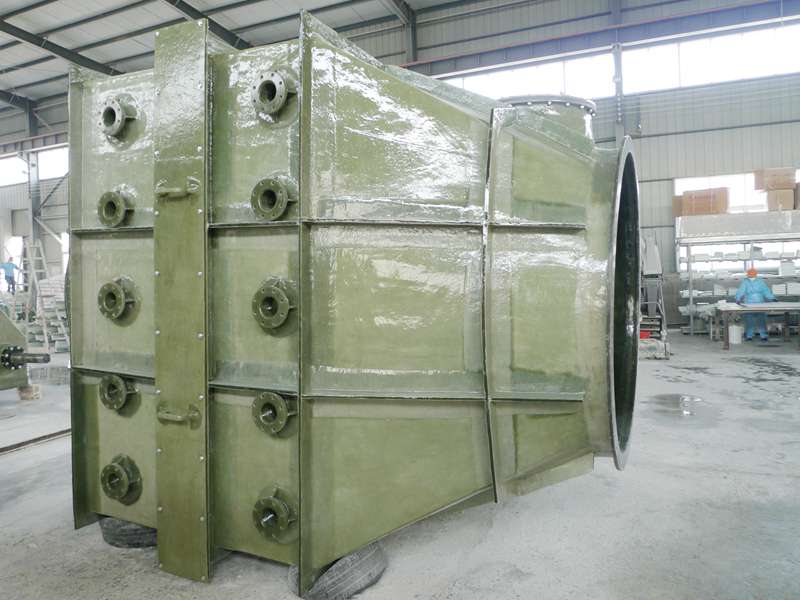
frp chemical tank
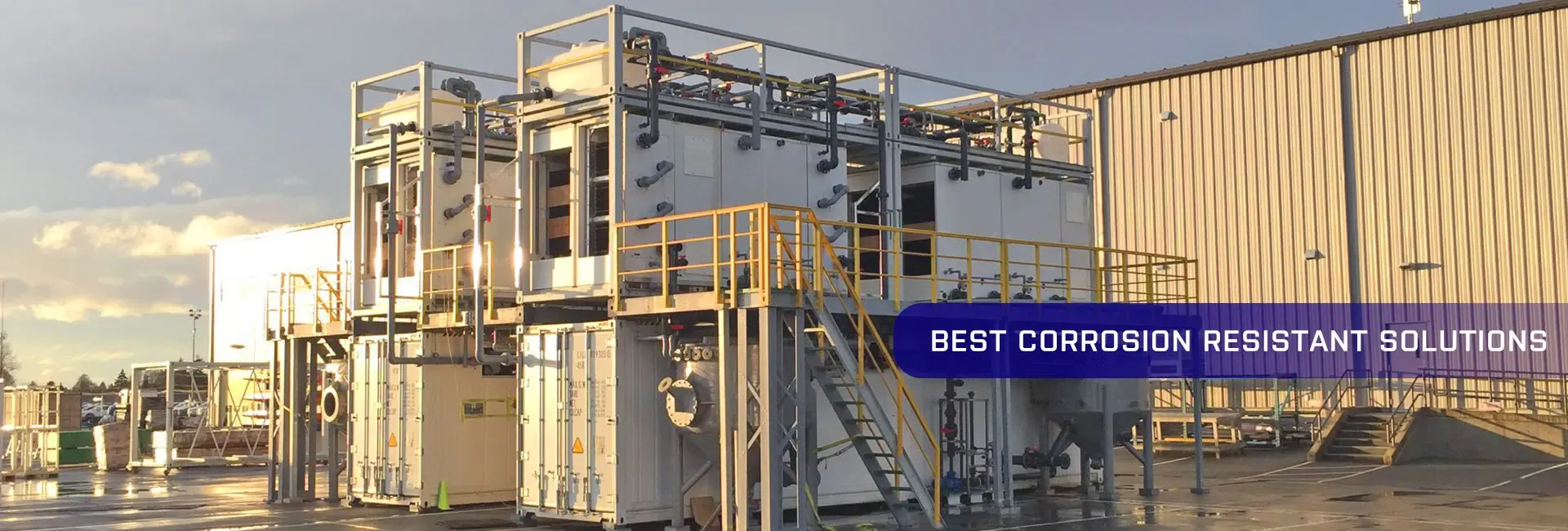
5. Cost-effectiveness Although the initial investment in FRP tanks can be higher than conventional tanks, the long-term savings provided by reduced maintenance and replacement costs often outweigh the upfront expenses.
Applications of FRP Chemical Tanks
The versatility of FRP chemical tanks extends into multiple sectors. In the chemical manufacturing industry, these tanks are ideal for storing acids, caustics, and other aggressive substances. In water treatment facilities, FRP tanks are frequently used to hold chemical solutions that help in various treatment processes, such as disinfection and pH adjustment.
Additionally, in the food and beverage industry, FRP tanks can be employed for the safe storage of ingredients or chemicals needed for processing, ensuring compliance with health and safety regulations.
Environmental Considerations
With growing environmental concerns, the use of FRP tanks aligns with sustainable practices. Their longevity and minimal maintenance contribute to reducing waste and resource consumption. Furthermore, since FRP materials can be produced in a manner that reduces energy consumption, these tanks provide an eco-friendlier alternative to traditional storage solutions.
Conclusion
As industries continue to evolve, the demand for innovative storage solutions like FRP chemical tanks is on the rise. Their unique combination of strength, durability, and resistance makes them an ideal choice for storing various chemicals safely and efficiently. Investing in FRP technology not only enhances operational efficiency but also promotes long-term environmental sustainability. With FRP tanks leading the way, industries can confidently store and manage their chemical resources, paving the path for a safer and more efficient future.


Latest news
-
Oblate Tanks: Space-Saving, Durable Liquid Storage SolutionsNewsAug.27,2025
-
High-Performance Piping System Solutions for Industry & Commercial UseNewsAug.26,2025
-
Precision Fittings: Durable & Reliable Industrial & Plumbing SolutionsNewsAug.25,2025
-
Practical Steps: Unlock Success with Our Proven GuidesNewsAug.24,2025
-
Transport Tanks: Safe, Durable & Efficient Liquid HaulingNewsAug.23,2025
-
High-Quality Piping Systems for Efficient Flow & DurabilityNewsAug.22,2025