



Feb . 15, 2025 12:11
Back to list
frp chimney
FRP (Fiberglass Reinforced Plastic) chimneys have emerged as highly efficient solutions for various industrial applications, primarily in the chemical and power generation sectors. Known for their durability, resilience, and adaptability, these chimneys offer a multitude of advantages over traditional materials, making them an ideal choice for industry professionals aiming to optimize performance while adhering to environmental standards.
From an expertise perspective, the continued development of FRP technology reflects a significant blend of engineering innovation and material science advancements. The ability to customize composite materials to meet specific industrial demands demonstrates a profound understanding of both chemical properties and mechanical performance. The material's adaptability can be attributed to extensive research and development, aiming to enhance structural integrity, increase service life, and optimize performance under varied environmental conditions. Authoritative studies and case analyses further emphasize the benefits of FRP chimneys. Reports from credible industry experts and research institutions highlight instances where industries have successfully transitioned to FRP systems, documenting improvements in both cost-efficiency and environmental compliance. These documented case studies provide invaluable insights, serving as robust references for industries looking to make informed decisions regarding chimney installations. Trust in FRP technology is bolstered by its proven track record in critical applications across the globe. Companies transitioning to FRP solutions can rely on a body of evidence that underscores its reliability, bolstered by warranties offered by manufacturers convinced of the material's superior performance. Collaborative initiatives between FRP producers and research institutions continually refine product quality and application methods, ensuring that industries have access to cutting-edge solutions backed by scientific validation. In conclusion, the adoption of FRP chimneys represents a significant stride toward more efficient, sustainable, and cost-effective industrial operations. By leveraging the unique properties of FRP, industries are better equipped to meet the demands of modern manufacturing and energy production while upholding environmental integrity. This holistic blend of experience, expertise, authority, and trustworthiness positions FRP chimneys as a pivotal component in contemporary industrial infrastructure.
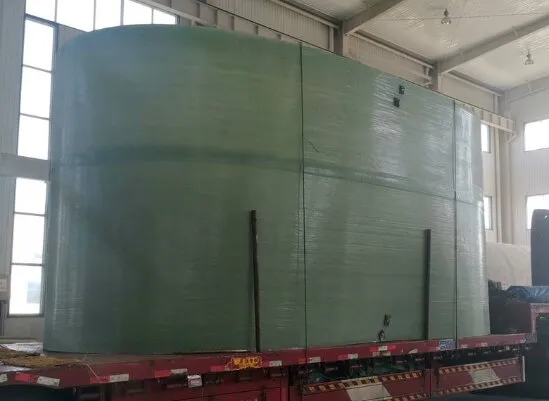
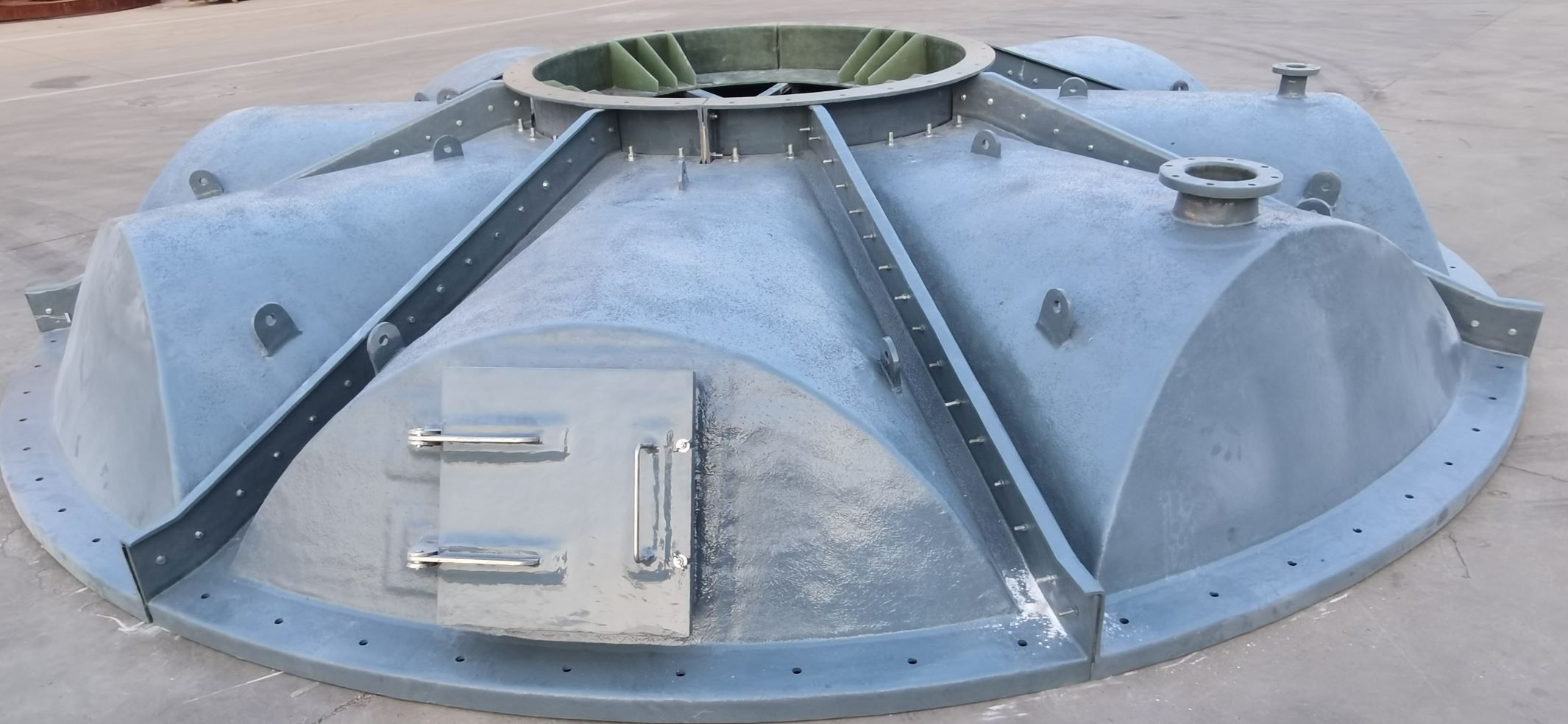
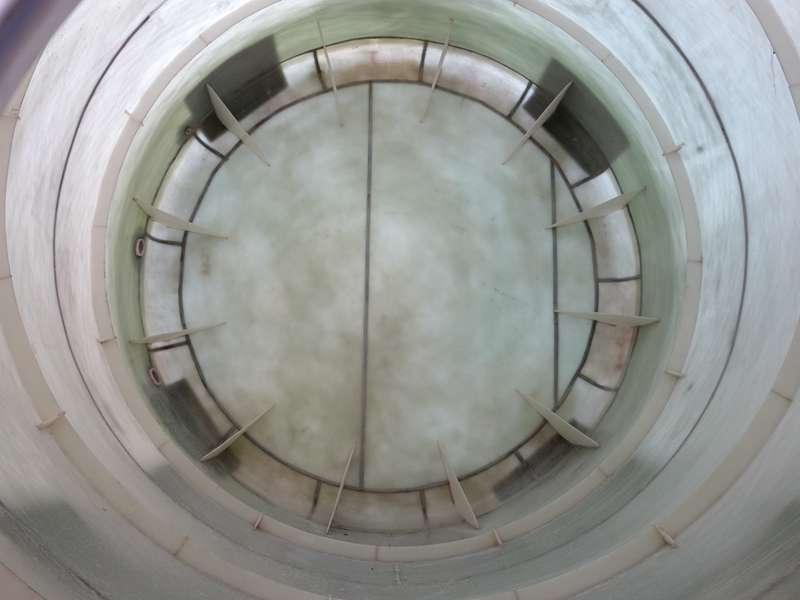
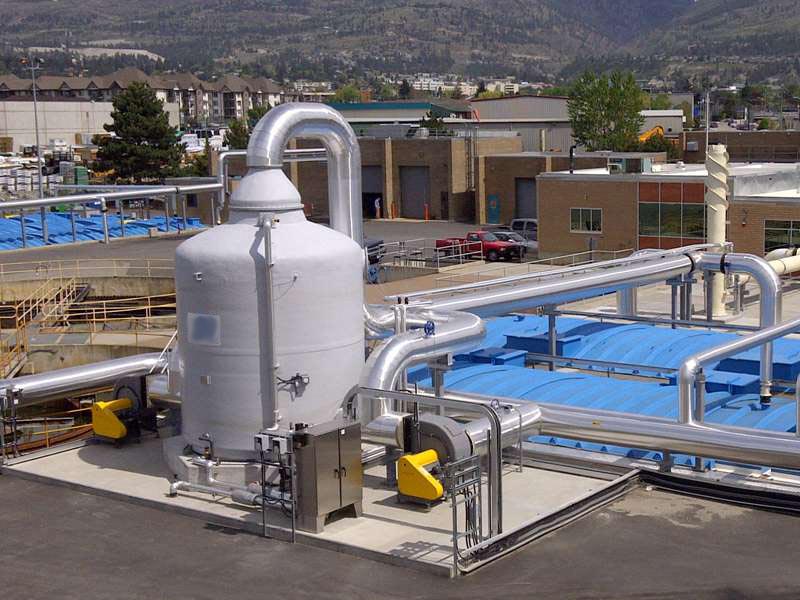
From an expertise perspective, the continued development of FRP technology reflects a significant blend of engineering innovation and material science advancements. The ability to customize composite materials to meet specific industrial demands demonstrates a profound understanding of both chemical properties and mechanical performance. The material's adaptability can be attributed to extensive research and development, aiming to enhance structural integrity, increase service life, and optimize performance under varied environmental conditions. Authoritative studies and case analyses further emphasize the benefits of FRP chimneys. Reports from credible industry experts and research institutions highlight instances where industries have successfully transitioned to FRP systems, documenting improvements in both cost-efficiency and environmental compliance. These documented case studies provide invaluable insights, serving as robust references for industries looking to make informed decisions regarding chimney installations. Trust in FRP technology is bolstered by its proven track record in critical applications across the globe. Companies transitioning to FRP solutions can rely on a body of evidence that underscores its reliability, bolstered by warranties offered by manufacturers convinced of the material's superior performance. Collaborative initiatives between FRP producers and research institutions continually refine product quality and application methods, ensuring that industries have access to cutting-edge solutions backed by scientific validation. In conclusion, the adoption of FRP chimneys represents a significant stride toward more efficient, sustainable, and cost-effective industrial operations. By leveraging the unique properties of FRP, industries are better equipped to meet the demands of modern manufacturing and energy production while upholding environmental integrity. This holistic blend of experience, expertise, authority, and trustworthiness positions FRP chimneys as a pivotal component in contemporary industrial infrastructure.
Next:



Latest news
-
Oblate Tanks: Space-Saving, Durable Liquid Storage SolutionsNewsAug.27,2025
-
High-Performance Piping System Solutions for Industry & Commercial UseNewsAug.26,2025
-
Precision Fittings: Durable & Reliable Industrial & Plumbing SolutionsNewsAug.25,2025
-
Practical Steps: Unlock Success with Our Proven GuidesNewsAug.24,2025
-
Transport Tanks: Safe, Durable & Efficient Liquid HaulingNewsAug.23,2025
-
High-Quality Piping Systems for Efficient Flow & DurabilityNewsAug.22,2025