



frp chimney construction and installation for industrial and ...
FRP Chimney Construction and Installation for Industrial Applications
In the realm of industrial construction, the choice of materials for structural components is crucial to ensure durability, efficiency, and compliance with regulatory standards. One such material that has gained prominence in recent years is Fiber Reinforced Plastic (FRP). Particularly in chimney construction and installation, FRP offers numerous advantages over traditional materials like steel and concrete, making it a preferred choice for many applications in industries such as power generation, chemical processing, and manufacturing.
Advantages of FRP in Chimney Construction
1. Corrosion Resistance One of the most significant benefits of FRP chimneys is their exceptional resistance to corrosive environments. Industries often expose chimneys to harsh chemicals and extreme weather conditions, which can lead to structural degradation over time. FRP materials are inherently resistant to corrosion, ensuring a longer lifespan with minimal maintenance.
2. Lightweight Yet Strong FRP is considerably lighter than traditional construction materials, reducing the load on structures and foundations. This lightweight nature simplifies installation and can significantly lower transportation and installation costs. Despite its lightness, FRP offers high tensile strength, making it an ideal choice for chimney applications.
3. Design Flexibility FRP can be molded into various shapes and sizes, allowing for greater design flexibility. This feature enables engineers and architects to create customized solutions tailored to the specific needs of a facility. Whether it's a tall chimney for a power plant or a compact solution for a manufacturing facility, FRP can be designed to meet diverse requirements.
4. Thermal Insulation The thermal insulation properties of FRP make it an excellent choice for chimneys that need to handle exhaust gases at high temperatures. The material can help maintain a stable temperature within the chimney, thus improving the efficiency of the industrial processes it serves.
Construction Process
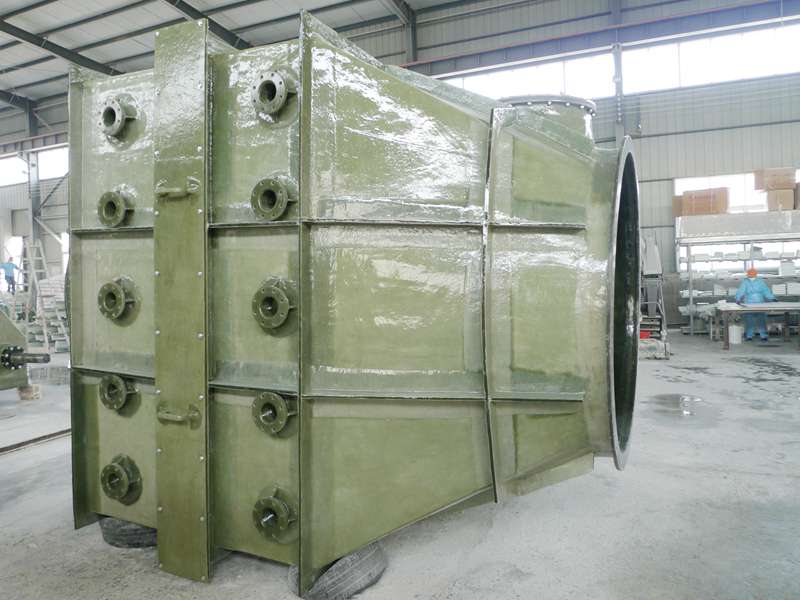
frp chimney construction and installation for industrial and ...
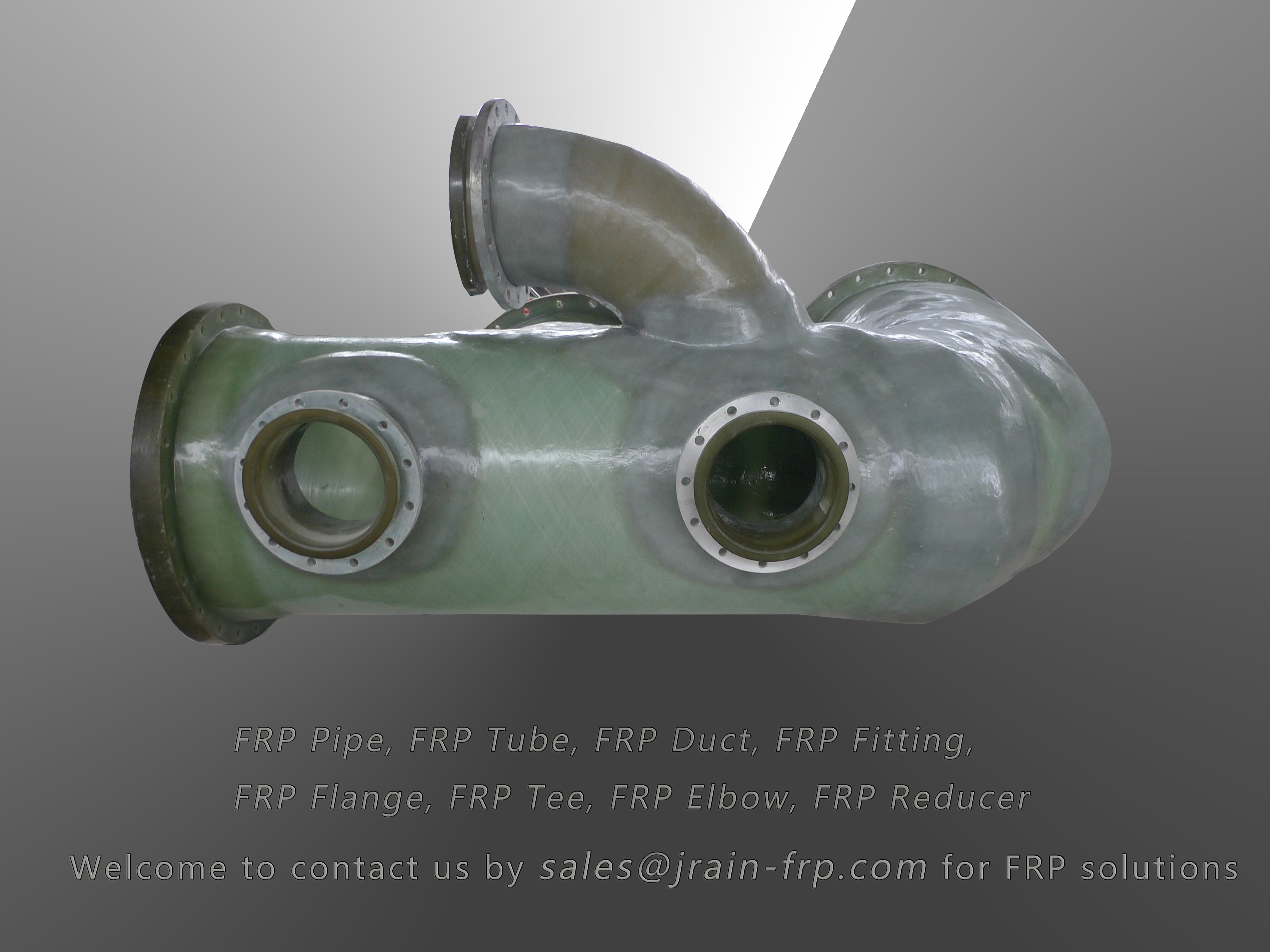
The construction and installation of FRP chimneys involve several key steps
1. Design and Engineering The process begins with meticulous design and engineering, considering factors such as height, diameter, load-bearing requirements, and environmental conditions. Advanced software tools can simulate various scenarios to optimize the design before construction begins.
2. Material Selection The selection of appropriate resin and fiber types is critical in the construction of FRP chimneys. Different applications may require different materials to meet specific strength, thermal, and chemical resistance requirements.
3. Manufacturing FRP chimney sections are typically manufactured off-site in controlled environments. This process involves layering fiberglass tissues or mats with resin to create strong, composite structures. The curing process is crucial, as it determines the final strength and durability of the chimney components.
4. Transportation and Installation Once the chimney parts are manufactured, they are transported to the installation site. Due to their lightweight nature, transporting FRP components usually proves to be more cost-effective and logistically simpler than heavier alternatives. Installation may involve using cranes or other lifting equipment, especially for taller structures.
5. Quality Assurance Throughout the construction and installation process, quality control measures ensure that the FRP chimney meets all standards and specifications. This phase often includes inspections and testing to verify the integrity of the materials used.
Conclusion
FRP chimneys represent a significant advancement in industrial construction methodologies. Their inherent advantages—corrosion resistance, lightweight nature, design flexibility, and thermal insulation—position them as an attractive option for a wide array of industrial applications. As industries continue to seek innovative solutions to enhance efficiency and reduce long-term maintenance costs, the adoption of FRP in chimney construction and installation is likely to grow. Organizations that embrace this technology can look forward to improved operational performance and sustainability, paving the way for a greener industrial future.
Latest news
-
Oblate Tanks: Space-Saving, Durable Liquid Storage SolutionsNewsAug.27,2025
-
High-Performance Piping System Solutions for Industry & Commercial UseNewsAug.26,2025
-
Precision Fittings: Durable & Reliable Industrial & Plumbing SolutionsNewsAug.25,2025
-
Practical Steps: Unlock Success with Our Proven GuidesNewsAug.24,2025
-
Transport Tanks: Safe, Durable & Efficient Liquid HaulingNewsAug.23,2025
-
High-Quality Piping Systems for Efficient Flow & DurabilityNewsAug.22,2025