



Industrial FRP Chimney Design and Installation for Efficient Ventilation Solutions
FRP Chimney Construction and Installation for Industrial Applications
Fiber Reinforced Polymer (FRP) has rapidly emerged as a preferred material in the construction of chimneys across various industrial sectors. The use of FRP in chimney construction offers several advantages over traditional materials such as concrete or steel, particularly in environments where corrosion resistance, lightweight design, and longevity are paramount. This article explores the construction and installation processes of FRP chimneys and highlights their benefits for industrial applications.
Understanding FRP Technology
FRP composites consist of a polymer matrix reinforced with fibers, typically glass or carbon. This unique combination provides exceptional strength-to-weight ratios and superior resistance to chemical degradation. As industries confront the challenges of harsh environments, FRP chimneys stand out not only for their durability but also for their ability to resist corrosion caused by flue gases, moisture, and varying temperatures.
Construction Process
The construction process of an FRP chimney involves several key steps
1. Design and Engineering The first step is to design the chimney according to the specific operational parameters and environmental conditions of the site. This includes considering the height, diameter, and structural load requirements. Advanced software tools are often used to simulate performance and ensure compliance with industry standards.
2. Material Selection Choosing the right type of FRP composite is crucial for the chimney's performance. Factors such as temperature resistance, chemical exposure, and mechanical stress need to be assessed to select suitable resin and reinforcement materials.
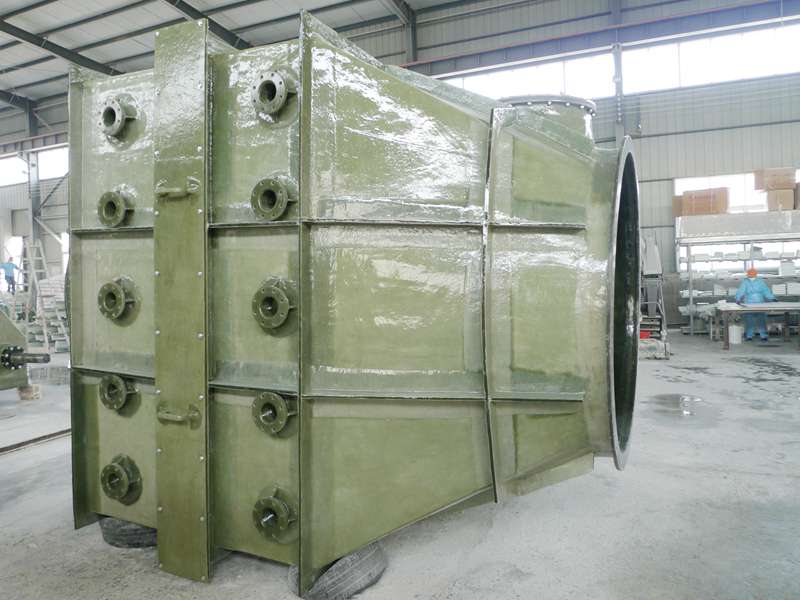
3. Fabrication FRP chimneys can be formed using several methods, including hand lay-up, filament winding, and pultrusion. These techniques allow for optimizing the fiber orientation and resin distribution, ensuring that the chimney meets strength requirements. The fabrication is typically conducted in a controlled facility, where quality can be closely monitored.
4. Surface Treatment The surface of the FRP chimney is often treated to enhance its durability and resistance to UV radiation. A protective coating may also be applied to provide an additional barrier against chemicals.
Installation Process
frp chimney construction and installation for industrial and ...
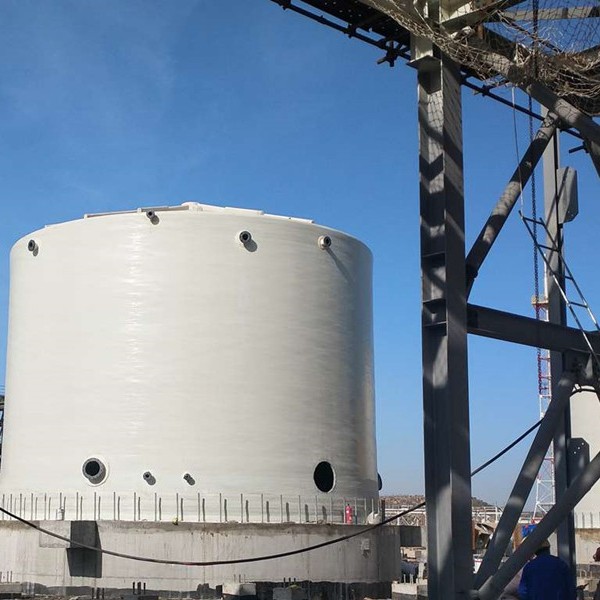
Once fabricated, the installation of FRP chimneys can be executed efficiently due to their lightweight nature. The installation process includes
1. Site Preparation Ensuring the ground or foundation is stable and capable of supporting the chimney structure is essential. Proper assessment of soil conditions and load-bearing capacity is conducted.
2. Setting Up Support Structures Temporary scaffolding or support systems may be erected to assist in the positioning of the FRP sections during assembly.
3. Assembly FRP chimney sections can be assembled on-site either through bolted connections or adhesive bonding. The ease of handling and connection minimizes installation time and labor costs.
4. Inspection and Testing After installation, a thorough inspection is conducted to check for any defects or structural concerns. Additionally, pressure testing may be performed to ensure that the chimney can withstand operational conditions without any leaks.
Benefits of FRP Chimneys
The advantages of using FRP for chimney construction in industrial applications are numerous
- Corrosion Resistance FRP chimneys can withstand the corrosive effects of acidic flue gases, leading to increased longevity. - Lightweight The reduced weight allows for easier handling during installation, less structural support needed, and lower transportation costs.
- Low Maintenance Once installed, FRP chimneys require minimal maintenance compared to traditional materials, contributing to cost savings over their lifecycle.
- Customization FRP can be molded into various shapes and sizes, allowing for tailored solutions for specific industrial requirements.
In conclusion, the adoption of FRP chimneys in industrial applications not only enhances performance and durability but also offers significant cost efficiencies over time. As industries continue to innovate and seek sustainable solutions, FRP technology is poised to play a substantial role in the future of chimney construction and installation.

Latest news
-
Oblate Tanks: Space-Saving, Durable Liquid Storage SolutionsNewsAug.27,2025
-
High-Performance Piping System Solutions for Industry & Commercial UseNewsAug.26,2025
-
Precision Fittings: Durable & Reliable Industrial & Plumbing SolutionsNewsAug.25,2025
-
Practical Steps: Unlock Success with Our Proven GuidesNewsAug.24,2025
-
Transport Tanks: Safe, Durable & Efficient Liquid HaulingNewsAug.23,2025
-
High-Quality Piping Systems for Efficient Flow & DurabilityNewsAug.22,2025