



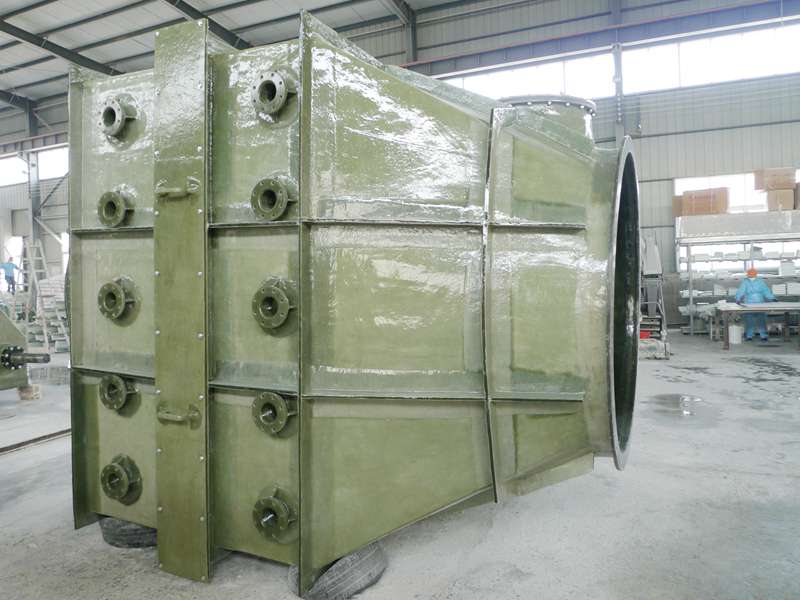
frp insulated storage vessel
The Importance of FRP Insulated Storage Vessels
In today's ever-evolving industrial landscape, the need for efficient and reliable storage solutions has never been more pronounced. One of the most significant advancements in this field is the development of Fiber Reinforced Polymer (FRP) insulated storage vessels. These vessels combine cutting-edge materials with advanced engineering techniques, thereby providing a host of benefits over traditional storage containers.
What are FRP Insulated Storage Vessels?
FRP insulated storage vessels are specialized containers designed to store various materials, including liquids and gases, while maintaining their temperature and preventing loss of energy. The unique composition of these vessels involves a matrix of polymer reinforced with fibers, which gives them exceptional strength, durability, and thermal insulation properties.
The insulation provided by FRP is crucial in industries where temperature control is fundamental to maintaining the integrity of the stored materials. This includes food and beverage sectors, pharmaceuticals, and chemicals, where maintaining specific temperature ranges can prevent spoilage, chemical reactions, or contamination.
Advantages of FRP Insulated Storage Vessels
1. Thermal Efficiency One of the most notable benefits of FRP insulated storage vessels is their superior thermal insulation capabilities. The use of FRP materials minimizes heat transfer, ensuring that stored substances remain at their desired temperatures for extended periods. This efficiency not only preserves the quality of the materials but also reduces energy costs associated with heating or cooling.
2. Corrosion Resistance Traditional storage vessels made from metals are often susceptible to corrosion, especially when in contact with aggressive chemicals. FRP vessels, on the other hand, exhibit exceptional resistance to corrosion, leading to longer service life and reduced maintenance costs.
frp insulated storage vessel
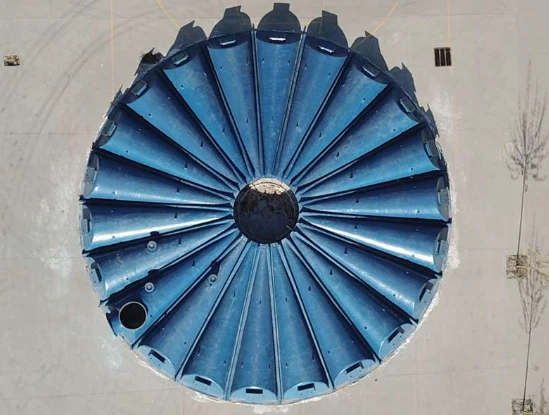
3. Lightweight and Strong Despite their lightweight nature, FRP insulated storage vessels boast significant structural integrity. Their strength allows for the storage of large volumes without the need for extensive support structures, leading to more efficient space utilization in industrial settings.
4. Versatility FRP insulated storage vessels can be tailored to meet specific needs, allowing for customization in terms of size, shape, and insulation thickness. This adaptability makes them suitable for various applications across multiple industries.
5. Environmental Impact As industries move towards sustainability, the environmental impact of storage solutions is increasingly scrutinized. FRP materials are often more environmentally friendly compared to traditional materials. They can be designed for recyclability, further minimizing their footprint.
Applications of FRP Insulated Storage Vessels
The versatility and functionality of FRP insulated storage vessels mean they can be utilized across various sectors. In the food industry, these vessels are crucial for storing dairy, oils, and other temperature-sensitive items, ensuring they remain safe for consumption. In the pharmaceutical sector, maintaining precise temperatures for active ingredients can determine the success of drug formulations, and FRP vessels excel in this aspect.
Chemical manufacturing also benefits from FRP vessels, where the ability to store reactive substances safely is paramount. By preventing thermal loss and offering corrosion resistance, these vessels ensure that hazardous materials are stored securely.
Conclusion
In conclusion, FRP insulated storage vessels represent a significant innovation in storage technology. Their numerous advantages—ranging from thermal efficiency and corrosion resistance to lightweight strength—make them a preferred choice in various industries. As companies seek more efficient and sustainable storage solutions, FRP vessels are poised to play an increasingly critical role in the future of industrial storage. By integrating these advanced storage solutions, businesses can not only enhance their operational efficiency but also contribute to a more sustainable and environmentally conscious future.


Latest news
-
Oblate Tanks: Space-Saving, Durable Liquid Storage SolutionsNewsAug.27,2025
-
High-Performance Piping System Solutions for Industry & Commercial UseNewsAug.26,2025
-
Precision Fittings: Durable & Reliable Industrial & Plumbing SolutionsNewsAug.25,2025
-
Practical Steps: Unlock Success with Our Proven GuidesNewsAug.24,2025
-
Transport Tanks: Safe, Durable & Efficient Liquid HaulingNewsAug.23,2025
-
High-Quality Piping Systems for Efficient Flow & DurabilityNewsAug.22,2025