



Optimizing frp Pipeline for Enhanced Performance and Scalability in Data Processing
Understanding FRP Pipelines A Modern Approach to Infrastructure
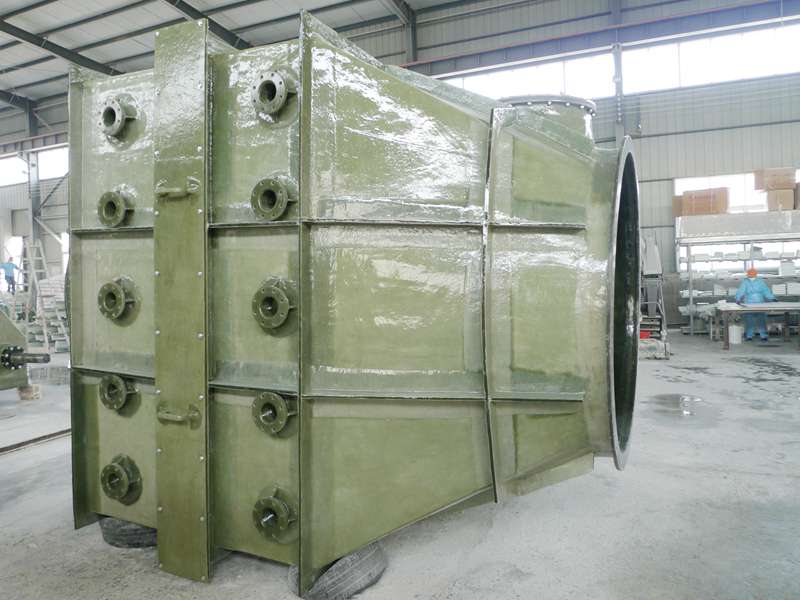
Fiber Reinforced Polymer (FRP) pipelines represent a significant advancement in the infrastructure sector, providing innovative solutions to traditional challenges faced by engineering and construction professionals. These pipelines, composed of composite materials, offer an array of benefits that align with the growing need for durable, efficient, and environmentally friendly infrastructure.
What are FRP Pipelines?
FRP pipelines are constructed using a matrix of polymer resin reinforced with fibers, such as glass, carbon, or aramid. This combination results in a lightweight yet incredibly strong material that can withstand various environmental conditions. Unlike conventional piping materials such as steel or concrete, FRP does not corrode, making it an ideal choice for industries that operate under harsh conditions, including oil and gas, water management, and chemical manufacturing.
Key Advantages
1. Corrosion Resistance One of the most significant advantages of FRP pipelines is their resistance to corrosion. Traditional pipes often succumb to rust and deterioration over time, especially in aggressive environments. FRP materials are highly resistant to chemical attack, ensuring a longer operational life and reduced maintenance costs.
2. Lightweight Design The lightweight nature of FRP pipelines simplifies transportation and installation processes. This aspect not only reduces labor costs but also minimizes the environmental impact associated with heavy machinery and equipment.
3. Flexibility and Strength FRP pipelines exhibit excellent strength-to-weight ratios, making them robust yet versatile. This characteristic allows them to endure high pressures and extreme temperatures, which is crucial for applications in oil and gas extraction, where conditions can be particularly demanding.
4. Environmental Benefits With the global shift towards sustainability, FRP pipelines present a more environmentally friendly option. Their production can involve recycled materials, and their long lifespan decreases the need for replacement and repairs, reducing waste.
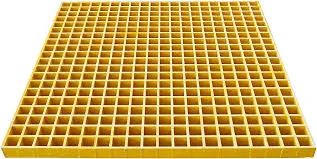
frp pipeline
5. Cost-Effectiveness Although the initial cost of FRP may be higher than traditional materials, the long-term benefits often outweigh the upfront investment. The reduction in maintenance, combined with the longevity and efficiency of these pipelines, ultimately leads to lower operational costs.
Applications of FRP Pipelines
FRP pipelines are versatile and can be tailored to meet specific requirements across various industries
- Water Treatment and Distribution Their resistance to corrosion makes them suitable for transporting potable water and wastewater without the risk of leaching harmful substances into the water supply.
- Oil and Gas Industry FRP pipelines effectively handle corrosive substances and can endure extreme temperatures and pressures, making them ideal for oil and gas transportation.
- Chemical Processing The adaptability of FRP composites allows for customization to withstand various chemicals, ensuring safe and efficient transport of raw materials and products.
Conclusion
As industries around the world seek sustainable solutions to infrastructure challenges, FRP pipelines stand out as a superior alternative to traditional materials. Their impressive durability, combined with lightweight and corrosion-resistant properties, positions them as a driving force in the evolution of pipeline technology. Investing in FRP means investing in a future where infrastructure is not only efficient but also environmentally conscious, making it a compelling choice for modern engineering projects. As we move forward, the integration of FRP pipelines into our infrastructure systems will likely play a crucial role in how we address the challenges of water management, energy transportation, and industrial processes.
Latest news
-
Oblate Tanks: Space-Saving, Durable Liquid Storage SolutionsNewsAug.27,2025
-
High-Performance Piping System Solutions for Industry & Commercial UseNewsAug.26,2025
-
Precision Fittings: Durable & Reliable Industrial & Plumbing SolutionsNewsAug.25,2025
-
Practical Steps: Unlock Success with Our Proven GuidesNewsAug.24,2025
-
Transport Tanks: Safe, Durable & Efficient Liquid HaulingNewsAug.23,2025
-
High-Quality Piping Systems for Efficient Flow & DurabilityNewsAug.22,2025