



Understanding FRP Pipes and Fittings for Efficient Construction and Infrastructure Solutions
Understanding FRP Pipes and Fittings An Innovative Solution for Modern Infrastructure
In recent years, the construction and infrastructure industries have seen a growing demand for advanced materials that can withstand various environmental challenges while ensuring durability and cost-effectiveness. One such innovation that has gained significant attention is Fiber Reinforced Polymer (FRP) pipes and fittings. This article delves into the characteristics, advantages, and applications of FRP pipes and fittings, highlighting their role as a game-changer in various sectors.
What are FRP Pipes and Fittings?
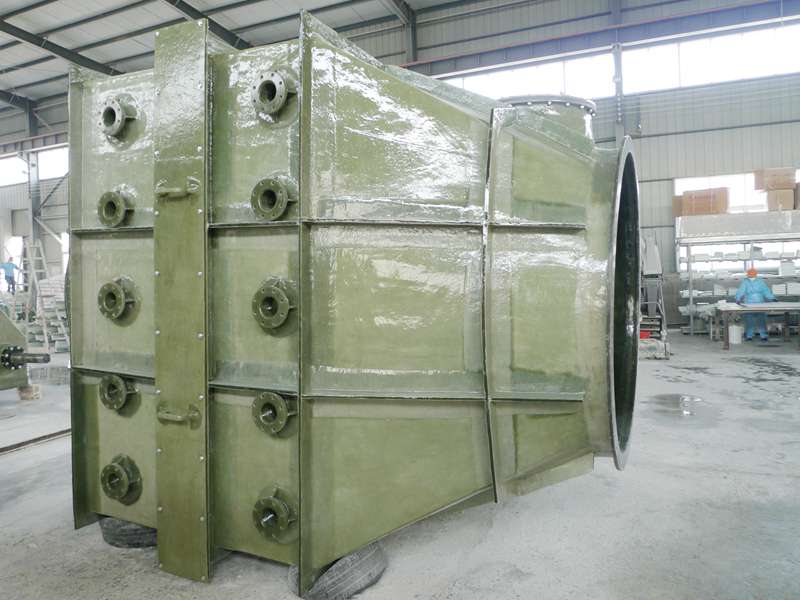
FRP pipes and fittings are composite materials made from a polymer matrix reinforced with fibers, typically glass, carbon, or aramid. This combination results in a lightweight yet strong material that exhibits excellent resistance to corrosion, thermal expansion, and chemical degradation. FRP pipes are available in a variety of diameters and lengths, making them suitable for a wide range of applications, from municipal water systems to chemical processing plants.
Advantages of FRP Pipes and Fittings
1. Corrosion Resistance One of the most significant advantages of FRP pipes is their outstanding resistance to corrosion. Unlike traditional materials like metals, which are susceptible to rust and degradation, FRP pipes maintain their integrity even in harsh chemical environments. This property extends the lifespan of the infrastructure, reducing maintenance and replacement costs.
2. Weight and Flexibility FRP pipes are significantly lighter than their traditional counterparts, which makes them easier to handle, transport, and install. This reduction in weight can lead to lower transportation costs and labor expenses during installation. Furthermore, the flexibility of FRP materials allows for easy configuration, making them an ideal choice for projects in complex or congested areas.
3. Thermal Insulation The thermal insulation properties of FRP materials help in reducing heat loss in piping systems. This feature is particularly beneficial in applications where temperature maintenance is critical, such as in water supply lines or in industries that handle heated materials.
4. Low Maintenance Due to their resistance to corrosion and scale buildup, FRP pipes require less maintenance than traditional materials. This reliability ensures that systems remain operational with minimal intervention, which is especially crucial for critical infrastructure.
5. Environmental Impact FRP materials are often regarded as more environmentally friendly compared to conventional piping systems. Their longevity and reduced need for replacement not only conserve resources but also minimize waste generated from frequent repairs or replacements.
frp pipes and fittings
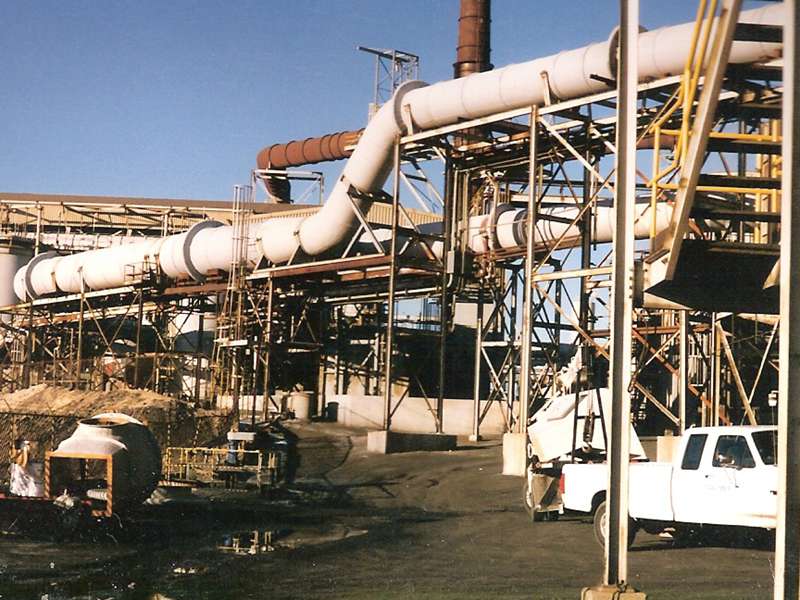
Applications of FRP Pipes and Fittings
FRP pipes and fittings are used across various industries due to their unique characteristics. Some of the key areas of application include
- Water and Wastewater Management FRP pipes are widely utilized in water distribution and sewage systems. Their corrosion resistance ensures safe and reliable transportation of drinking water and wastewater.
- Chemical Processing The chemical industry benefits from FRP pipes' ability to withstand harsh chemical environments, making them ideal for transporting acids, bases, and other corrosive substances.
- Oil and Gas In the oil and gas sector, FRP materials are used both above and below ground. Their lightweight and durability help improve efficiency in pipeline installation and maintenance.
- Mining FRP pipes are increasingly used in mining operations, where corrosive slurries and aggressive environmental conditions pose challenges for traditional materials.
- Maritime Applications The marine industry utilizes FRP pipes for their resistance to seawater and overall corrosion resistance, making them ideal for use in shipbuilding and harbor infrastructure.
Conclusion
In conclusion, FRP pipes and fittings represent a significant advancement in materials science, providing a solution that meets the modern demands of infrastructure projects. Their corrosion resistance, lightweight nature, low maintenance requirements, and environmental benefits make them an attractive choice for various applications. As industries continue to evolve and seek more sustainable solutions, the adoption of FRP technology is likely to grow, offering enhanced performance and longevity for critical infrastructure systems.
Latest news
-
Oblate Tanks: Space-Saving, Durable Liquid Storage SolutionsNewsAug.27,2025
-
High-Performance Piping System Solutions for Industry & Commercial UseNewsAug.26,2025
-
Precision Fittings: Durable & Reliable Industrial & Plumbing SolutionsNewsAug.25,2025
-
Practical Steps: Unlock Success with Our Proven GuidesNewsAug.24,2025
-
Transport Tanks: Safe, Durable & Efficient Liquid HaulingNewsAug.23,2025
-
High-Quality Piping Systems for Efficient Flow & DurabilityNewsAug.22,2025