



frp pipes and fittings utilized in ship construction
The Utilization of FRP Pipes and Fittings in Ship Construction
In the evolving landscape of ship construction, the integration of advanced materials is pivotal to enhancing the performance, durability, and efficiency of vessels. Among these innovative materials, Fiber Reinforced Polymer (FRP) pipes and fittings have emerged as a game-changer. Their unique properties make them exceptionally suitable for marine applications, offering a blend of lightweight strength and corrosion resistance that is essential in the harsh maritime environment.
Advantages of FRP Pipes and Fittings
The primary benefit of using FRP materials in ship construction lies in their strength-to-weight ratio. Traditional materials like steel and aluminum, while strong, can significantly increase the weight of a vessel, affecting its performance and fuel efficiency. FRP pipes and fittings, on the other hand, are considerably lighter, which contributes to overall vessel weight reduction. This weight advantage translates into lower fuel consumption and increased payload capacity, providing economic benefits over the ship's operational lifetime.
Moreover, FRP materials exhibit excellent resistance to corrosion, especially in saltwater environments. This property is crucial for ships, as the constant exposure to seawater and other aggressive elements can lead to significant deterioration of traditional materials. Unlike metal fittings, which require regular maintenance and protective coatings to prevent rust and degradation, FRP offers a long-lasting solution that reduces maintenance costs and downtime.
Another significant advantage of FRP is its design flexibility. FRP can be molded into complex shapes and sizes, allowing for custom solutions that fit specific needs within the ship's architecture. This design adaptability not only ensures a better fit and function but also streamlines the installation process, which can be critical for time-sensitive shipbuilding projects.
Applications in Ship Construction
FRP pipes and fittings find extensive application in various systems throughout a ship. They are commonly used in piping systems for fluids such as fuel, oil, wastewater, and freshwater. Due to their lightweight nature, these systems can be designed for optimal routing, reducing the overall weight of the vessel and improving efficiency.
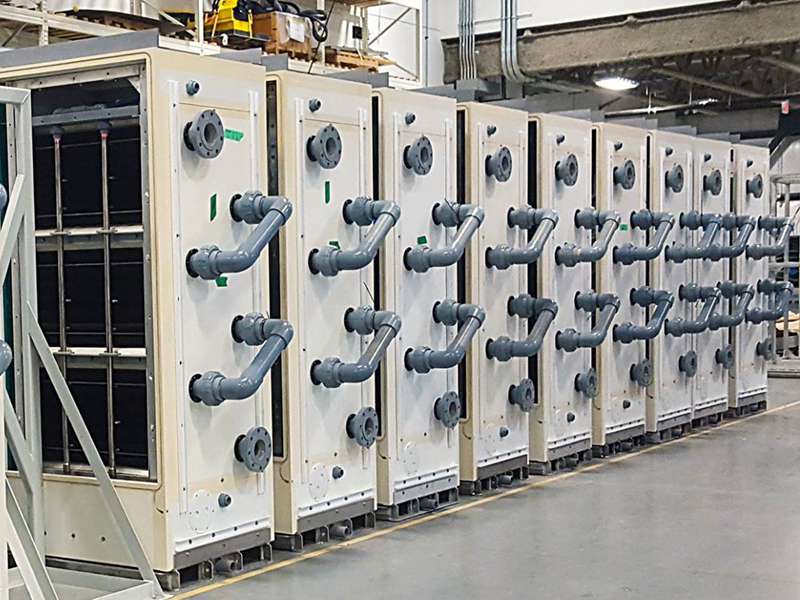
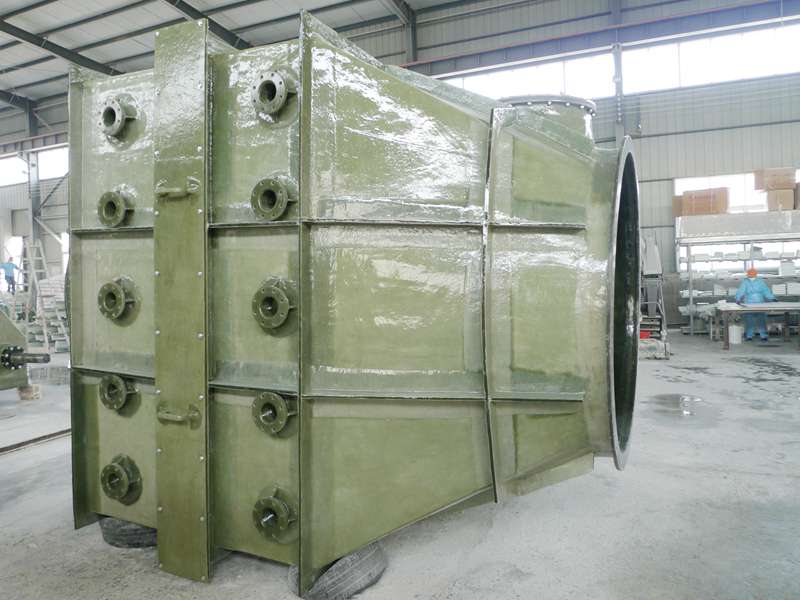
frp pipes and fittings utilized in ship construction
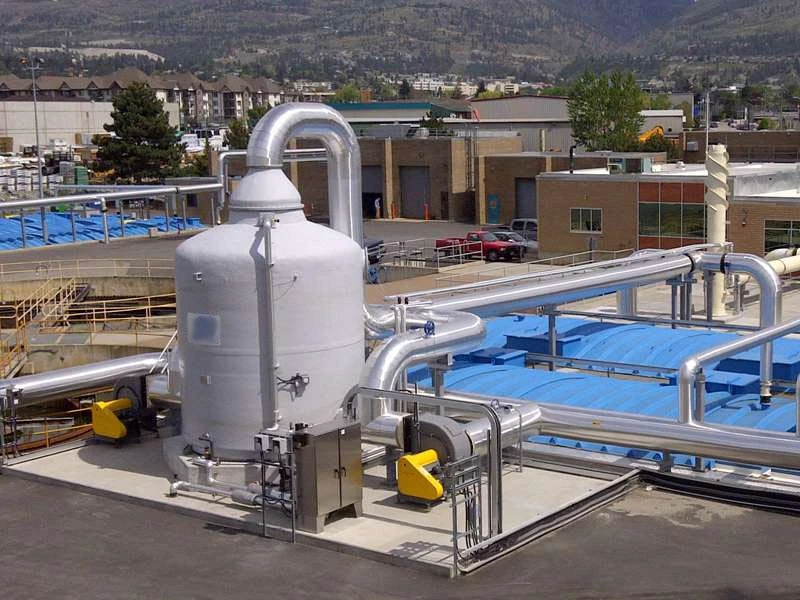
In addition to traditional piping systems, FRP fittings are increasingly utilized in cooling systems and fire suppression systems. Their temperature resistance ensures safe operation under extreme conditions, while their corrosion resistance lengthens the lifespan of the systems, ensuring reliability and safety on board.
FRP materials can also contribute to the construction of certain structural components of the ship. For instance, their use in hull reinforcement and composite structures can enhance the overall integrity and performance of the vessel. This can be particularly beneficial in high-performance applications such as racing yachts and specialized vessels.
Challenges and Future Prospects
Despite the many advantages, the adoption of FRP pipes and fittings in ship construction is not without challenges. Initial costs can be higher compared to traditional materials, which may deter some shipbuilders. Furthermore, the manufacturing processes for FRP materials are often more complex and require specialized skills and equipment, presenting a barrier to widespread adoption.
However, as the marine industry continues to place a premium on sustainability and efficiency, the demand for advanced materials like FRP is expected to rise. Ongoing research and development efforts are focused on reducing the production costs and enhancing the manufacturing processes associated with FRP, making it a more viable option for shipbuilders.
Conclusion
In conclusion, FRP pipes and fittings represent a significant advancement in ship construction, offering numerous benefits that address both operational efficiency and environmental concerns. As shipbuilders seek innovative solutions to enhance performance and reduce maintenance costs, the role of FRP materials is poised to expand. The future of ship construction lies in the seamless integration of these advanced materials, paving the way for more efficient, durable, and sustainable vessels on the high seas. With continuous advancements in technology and increased market acceptance, FRP is set to play a crucial role in shaping the next generation of marine engineering.


Latest news
-
Oblate Tanks: Space-Saving, Durable Liquid Storage SolutionsNewsAug.27,2025
-
High-Performance Piping System Solutions for Industry & Commercial UseNewsAug.26,2025
-
Precision Fittings: Durable & Reliable Industrial & Plumbing SolutionsNewsAug.25,2025
-
Practical Steps: Unlock Success with Our Proven GuidesNewsAug.24,2025
-
Transport Tanks: Safe, Durable & Efficient Liquid HaulingNewsAug.23,2025
-
High-Quality Piping Systems for Efficient Flow & DurabilityNewsAug.22,2025