



Exploring the Capabilities and Applications of FRP Shell Technology in Modern Engineering
The Revolutionary Impact of FRP Shells in Modern Construction
Fiber-Reinforced Polymer (FRP) shells have emerged as a significant innovation in the realm of construction, offering a wide array of benefits that traditional building materials cannot match. This technology is reshaping how architects and engineers approach design, enabling them to create structures that are not only aesthetically pleasing but also incredibly durable and efficient.
.
Furthermore, FRP shells exhibit remarkable resistance to environmental factors. Unlike traditional materials that are prone to corrosion, mold, and degradation over time, FRP is highly resistant to moisture, chemicals, and UV radiation. This longevity means that structures built with FRP shells require less maintenance and have a significantly extended lifespan. As a result, project developers can reap the benefits of reduced lifecycle costs, making FRP a financially attractive option for both short-term and long-term investments.
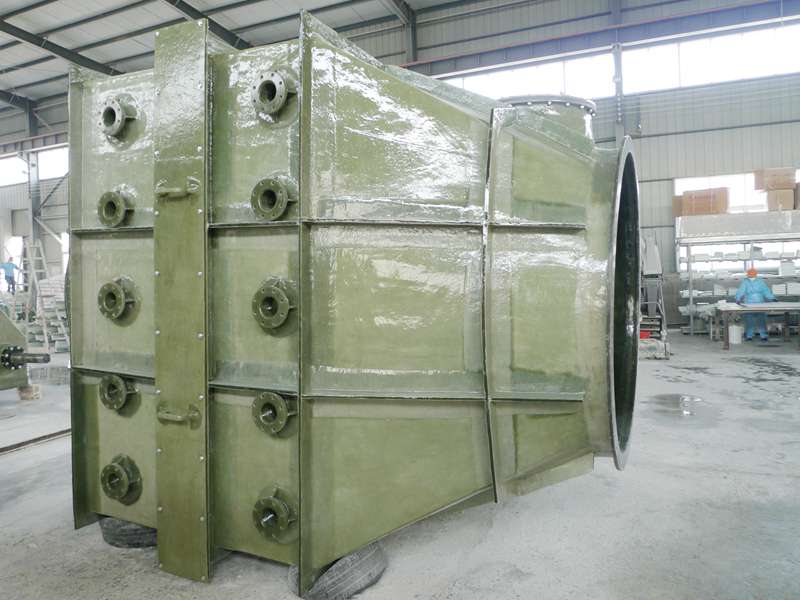
frp shell
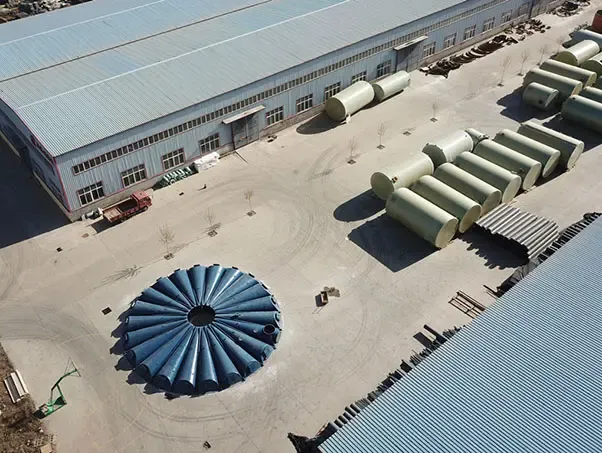
In terms of design flexibility, FRP shells allow for innovative architectural solutions that were previously unattainable with conventional materials. The molding process for FRP can create complex shapes and forms, enabling architects to push the boundaries of creativity. This versatility not only enhances the aesthetic appeal of structures but also facilitates the integration of energy-efficient designs. For instance, the ability to produce curved or uniquely shaped roofs can optimize natural light and ventilation within buildings, contributing to sustainable construction practices.
Safety is another important consideration where FRP shells shine. The fire-retardant properties of many FRP materials offer a vital advantage, ensuring compliance with fire safety regulations while minimizing the risk of catastrophic failures. In addition, the high tensile strength of FRP allows for the creation of robust structures capable of withstanding significant stress and strain, further enhancing the safety and resilience of buildings in regions prone to natural disasters.
The application of FRP shells is vast and varied. From commercial buildings and bridges to residential homes and even artistic installations, their potential is being recognized across multiple sectors. As technology continues to advance, the integration of FRP shells in smart building systems can also lead to enhanced energy efficiency and environmental sustainability.
In conclusion, the introduction of FRP shells into the world of construction marks a transformative shift towards smarter, more efficient, and innovative building solutions. With their lightweight composition, durability, design flexibility, and safety features, FRP shells are shaping the future of architecture. As the demand for sustainable and cost-effective building practices grows, it is likely that FRP technology will play an increasingly prominent role in meeting those challenges, ushering in a new era of construction that harmonizes aesthetics, functionality, and environmental stewardship. The revolution is just beginning, and the potential of FRP shells is boundless.

Latest news
-
Oblate Tanks: Space-Saving, Durable Liquid Storage SolutionsNewsAug.27,2025
-
High-Performance Piping System Solutions for Industry & Commercial UseNewsAug.26,2025
-
Precision Fittings: Durable & Reliable Industrial & Plumbing SolutionsNewsAug.25,2025
-
Practical Steps: Unlock Success with Our Proven GuidesNewsAug.24,2025
-
Transport Tanks: Safe, Durable & Efficient Liquid HaulingNewsAug.23,2025
-
High-Quality Piping Systems for Efficient Flow & DurabilityNewsAug.22,2025