



Guidelines for Implementing FRP Steps in Project Management
Understanding FRP Steps A Comprehensive Guide
FRP, or Fiber-Reinforced Polymer, is a composite material made from a polymer matrix reinforced with fibers. This combination grants FRP materials enhanced strength, durability, and a wide range of applications, particularly in construction, aerospace, automotive, and marine industries. Understanding the steps involved in working with FRP is essential for engineers, architects, and manufacturers. This article aims to break down the FRP process into manageable steps for better comprehension.
Step 1 Material Selection
The first step in any FRP project is selecting the appropriate materials. Fibers used in FRP can include fiberglass, carbon fiber, or aramid fibers, each offering different properties. The choice of the polymer matrix, such as epoxy or polyester resin, is also critical, as it affects the final product's performance and durability. Considerations include the environment in which the FRP will be used, the mechanical properties required, and cost factors.
Step 2 Design and Engineering
Once the materials are selected, the next step is to create a detailed design. This involves engineering calculations to determine the dimensions, shapes, and configurations of the components. Advanced software tools are often used to simulate the performance of the FRP components under various conditions. During this phase, it’s crucial to collaborate with structural engineers to ensure the design meets all necessary safety and performance standards.
Step 3 Manufacturing Process
frp step
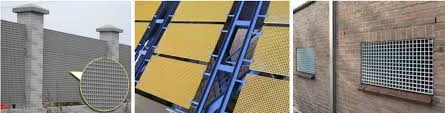
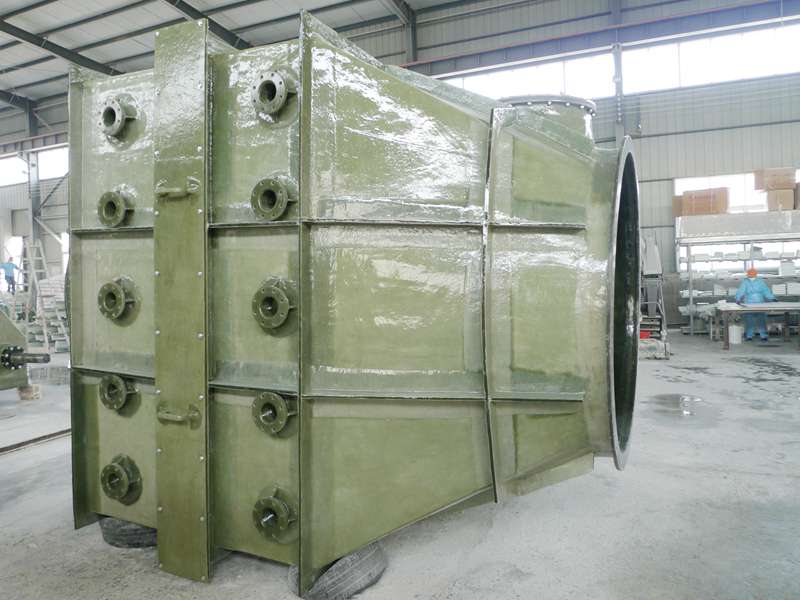
The manufacturing of FRP components can be done through various methods, including hand lay-up, spray-up, and pultrusion. Each method has its advantages and is chosen based on the specific application and volume of production required. Hand lay-up is common for custom pieces and smaller batches, while pultrusion is suitable for high-volume production of continuous fibers. Understanding the pros and cons of each method is vital for achieving the desired quality and efficiency.
Step 4 Curing and Testing
After the manufacturing process, the next step involves curing the FRP. Curing is the process by which the resin hardens and binds the fibers together, providing the structural integrity of the final product. This can involve ambient curing at room temperature or using ovens and autoclaves for accelerated curing. Once cured, it is imperative to conduct testing to ensure the components meet performance specifications. Tests such as tensile strength, flexural strength, and thermal properties are essential to validate the integrity of the FRP materials.
Step 5 Installation and Maintenance
The final step in the FRP lifecycle is installation. Proper installation ensures that the materials perform as intended and can significantly affect the longevity of the components. Installation teams should be trained in the specific requirements of FRP handling, including precautions for avoiding damage during transportation and installation. Maintenance is also crucial for the longevity of FRP systems. Regular inspections can help identify wear or damage, ensuring the material remains functional throughout its lifespan.
Conclusion
As industries continue to evolve, FRP materials stand out due to their unique properties and versatility. Understanding the steps involved in working with FRP—from material selection to installation—allows professionals to harness its full potential effectively. With proper implementation, FRP can significantly enhance the performance and durability of structures, paving the way for innovation across various fields. In a world increasingly focused on sustainability and efficiency, mastering FRP processes is not just advantageous; it's vital.
Latest news
-
Oblate Tanks: Space-Saving, Durable Liquid Storage SolutionsNewsAug.27,2025
-
High-Performance Piping System Solutions for Industry & Commercial UseNewsAug.26,2025
-
Precision Fittings: Durable & Reliable Industrial & Plumbing SolutionsNewsAug.25,2025
-
Practical Steps: Unlock Success with Our Proven GuidesNewsAug.24,2025
-
Transport Tanks: Safe, Durable & Efficient Liquid HaulingNewsAug.23,2025
-
High-Quality Piping Systems for Efficient Flow & DurabilityNewsAug.22,2025