



Custom Tailored Products for Enhanced User Experience and Satisfaction
Understanding GRP Customized Products Tailoring Solutions for Unique Needs
In a world where consumer preferences are becoming increasingly diverse, the demand for customized products has never been higher. Among various industries, the use of Glass Reinforced Plastic (GRP) is emerging as a popular choice for customized solutions. GRP, also known as fiberglass, combines the strength of glass fibers with the versatility of resin, resulting in a material that is durable, lightweight, and adaptable to various applications. In this article, we will explore the significance of GRP customized products and how they cater to individual requirements across different sectors.
The Rise of Customized Products
In recent years, industries ranging from construction to automotive have seen a shift towards personalization. Consumers are no longer satisfied with one-size-fits-all products; they seek items that reflect their personal tastes and meet specific functional requirements. This trend has driven manufacturers to adopt innovative materials and techniques that allow for the customization of products without compromising quality or performance.
What is GRP?
GRP is a composite material made by embedding glass fibers in a resin matrix. This combination creates a highly durable product that is resistant to corrosion, weather conditions, and impacts, making it ideal for various environments. Its lightweight nature allows for easier handling and transportation, a significant advantage in industries such as aerospace and automotive, where weight reduction is a critical factor.
Advantages of GRP Customized Products
1. Versatility in Design One of the most significant benefits of GRP is its versatility. Manufacturers can easily mold the material into complex shapes and designs, catering to the specific needs of customers. Whether it’s creating intricate architectural features or customized automotive components, GRP can be tailored to fulfill any vision.
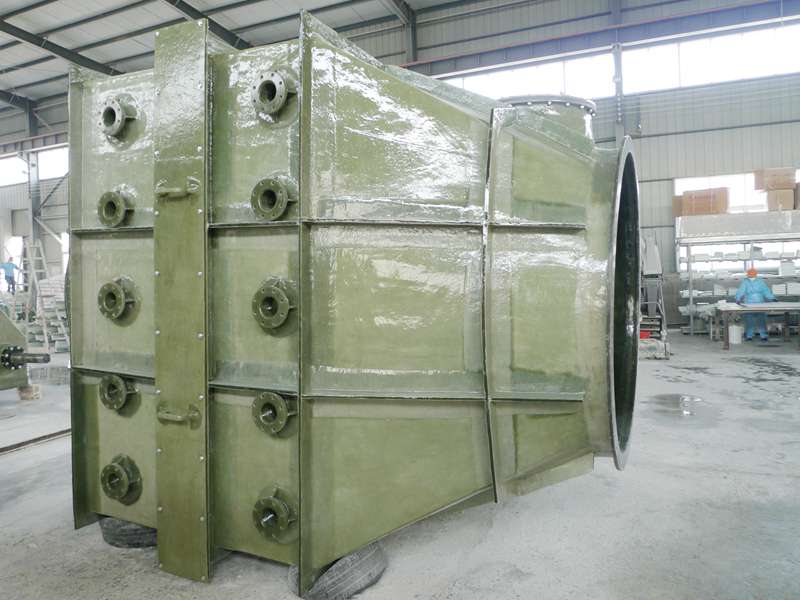
grp customized product
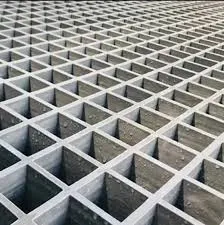
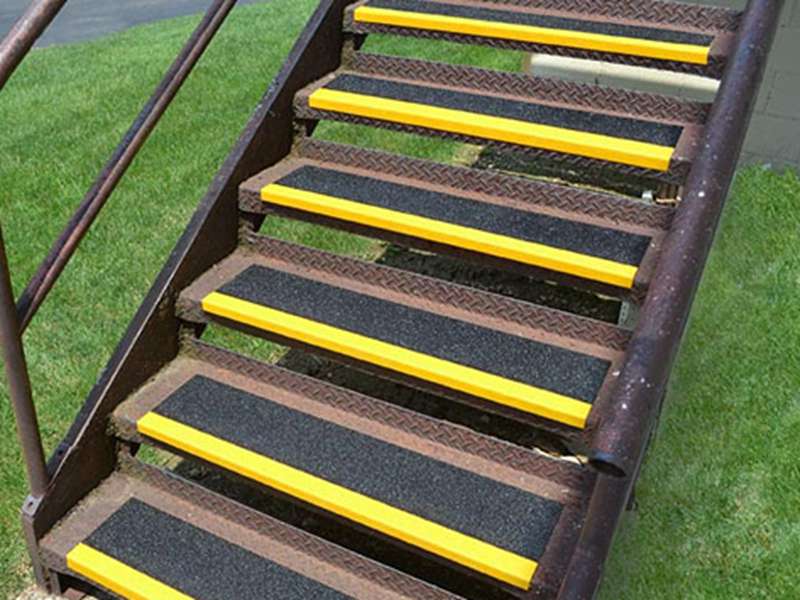
2. Enhanced Durability GRP products are known for their strength and longevity. The glass fibers provide superior tensile strength, while the resin ensures resistance against environmental factors. Customized GRP products can thus withstand harsh conditions, making them suitable for outdoor applications as well as for industries like marine and construction.
3. Cost-Effectiveness While the initial investment in custom GRP solutions may be higher than standard materials, the long-term benefits can outweigh costs. The durability and low maintenance requirements of GRP lead to lower lifecycle costs. Additionally, customization reduces the need for additional components, streamlining production and saving resources.
4. Lightweight Characteristics GRP’s lightweight nature makes it an excellent option for applications where weight is a concern. In the automotive industry, for example, using GRP for body panels can improve fuel efficiency and performance by reducing overall vehicle weight.
5. Eco-Friendly Options Many manufacturers are now focusing on sustainable practices and materials. GRP can be produced using recycled glass fibers and eco-friendly resins, making customized products not only tailored to individual needs but also environmentally friendly.
Applications of GRP Customized Products
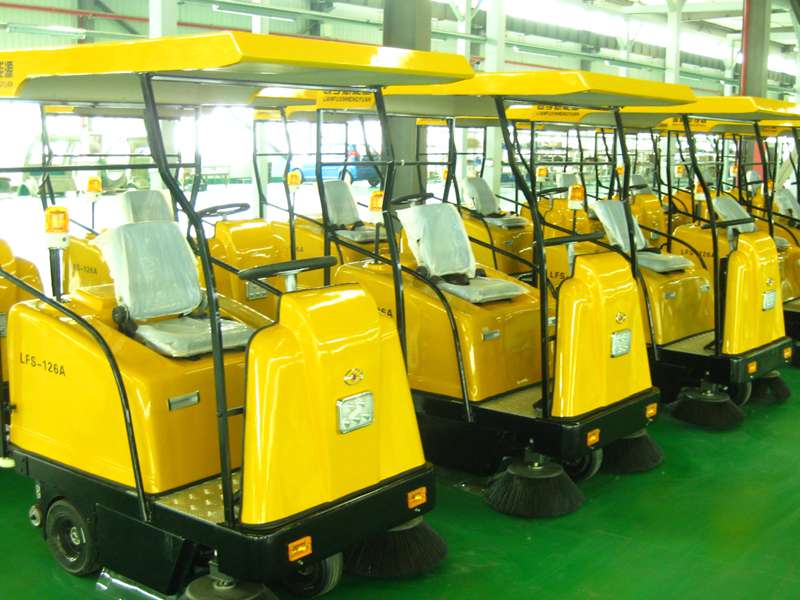
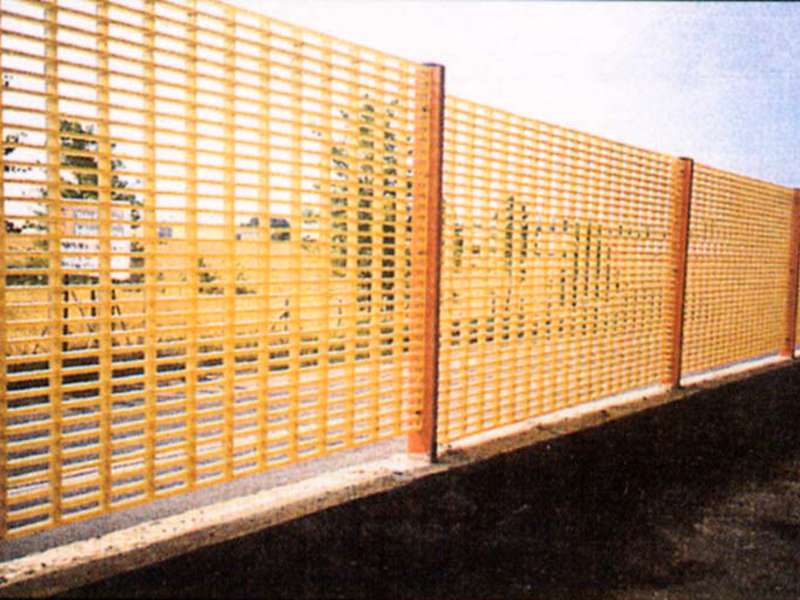
GRP customized products find their use in a wide range of applications. In the construction industry, they are used for creating bespoke panels, cladding, and architectural features. In the automotive sector, GRP is employed for tailored body parts, interior fittings, and even aerodynamic components, maximizing both aesthetics and functionality. Furthermore, the marine industry benefits from GRP in the form of custom boat hulls and other components designed to withstand harsh marine environments.
Conclusion
The growing demand for personalized solutions has led to the rise of GRP customized products, offering a blend of durability, versatility, and cost-effectiveness. As industries continue to innovate, the use of GRP will likely expand, leading to more unique and tailored solutions that cater to the individual needs of consumers. Embracing GRP customization not only fulfills specific requirements but also opens the door to endless creative possibilities, making it a material of choice for forward-thinking manufacturers. As we look to the future, GRP stands poised to play an essential role in the evolution of customized products across various sectors.
Latest news
-
Oblate Tanks: Space-Saving, Durable Liquid Storage SolutionsNewsAug.27,2025
-
High-Performance Piping System Solutions for Industry & Commercial UseNewsAug.26,2025
-
Precision Fittings: Durable & Reliable Industrial & Plumbing SolutionsNewsAug.25,2025
-
Practical Steps: Unlock Success with Our Proven GuidesNewsAug.24,2025
-
Transport Tanks: Safe, Durable & Efficient Liquid HaulingNewsAug.23,2025
-
High-Quality Piping Systems for Efficient Flow & DurabilityNewsAug.22,2025