



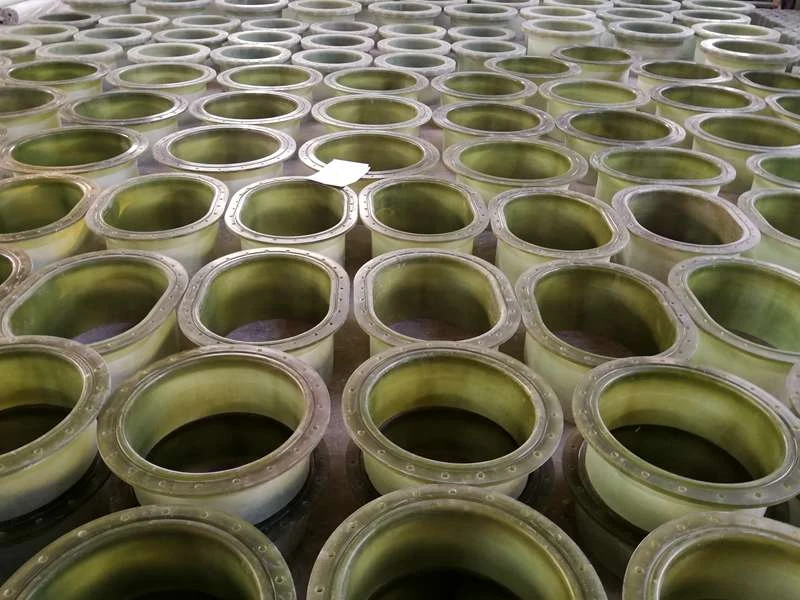
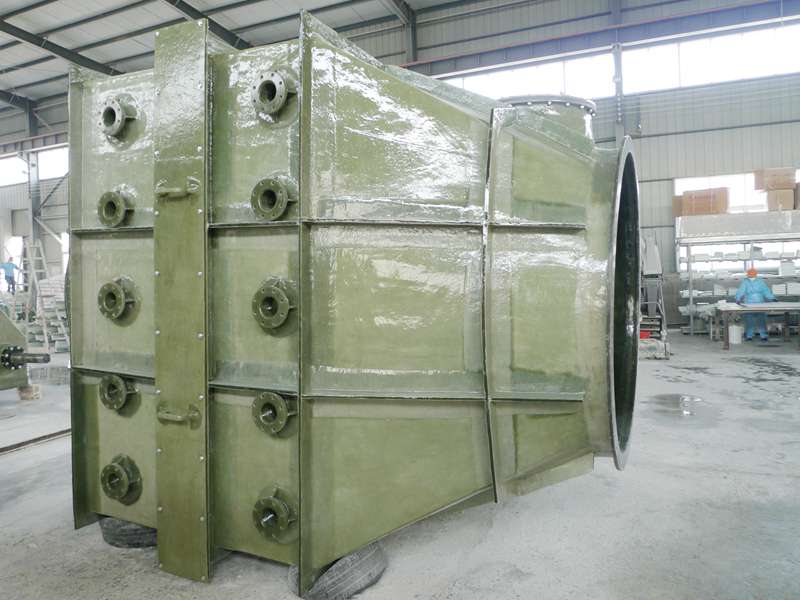
grp dual lamination product
Exploring GRP Dual Lamination Products Innovations and Applications
In today's technological landscape, various materials and manufacturing processes are evolving to meet the demands of modern industries. Among these innovations, Glass Reinforced Plastic (GRP) dual lamination products are gaining recognition for their exceptional durability, lightweight nature, and versatility across several applications. This article delves into the characteristics, benefits, and areas of application for GRP dual lamination products.
Understanding GRP Dual Lamination
GRP, also known as fiberglass, is a composite material that combines glass fibers with a resin matrix, resulting in remarkable strength and resilience. Dual lamination refers to the process of applying two layers of laminates, typically composite materials, to enhance the structural integrity, barrier properties, and overall performance of the finished product. This process not only boosts the mechanical properties of the material but also allows for customization to meet specific performance criteria.
Key Benefits
One of the primary advantages of GRP dual lamination products is their outstanding corrosion resistance, making them ideal for applications in harsh environments where chemical exposure is likely. Industries such as chemical processing, wastewater treatment, and marine applications find GRP to be a reliable choice due to its ability to withstand aggressive substances without compromising structural integrity.
Additionally, GRP is lightweight compared to traditional materials like steel or aluminum, which can lead to significant savings in transport and installation costs. The lightweight nature of GRP dual lamination products also translates to easier handling and reduced load on structures, contributing to overall efficiency.
grp dual lamination product
Another notable benefit is the thermal insulation properties of GRP, which makes it suitable for applications where temperature control is critical. The dual lamination process further enhances these insulative properties, providing effective barriers against heat transfer and promoting energy efficiency.
Applications in Various Industries
The versatility of GRP dual lamination products enables their use in a wide range of industries. In the construction sector, they are often employed for roofing systems, cladding, and facades due to their aesthetic appeal and robust performance. Their resistance to water and moisture makes them an ideal choice for bathroom fixtures and other wet environments.
In the automotive industry, GRP dual lamination products are used in components where weight savings can improve fuel efficiency without sacrificing strength. Furthermore, the aerospace sector has also started embracing GRP laminates for lightweight structural components.
The oil and gas industry benefits from GRP products in pipeline applications, storage tanks, and other equipment, providing solutions that are both economically and environmentally sustainable. Their use in renewable energy applications, such as wind turbine blades, is further testament to their adaptability and performance.
Conclusion
GRP dual lamination products represent a significant advancement in material science, offering an array of advantages that cater to diverse industrial needs. As industries continue to seek more sustainable and efficient solutions, the demand for innovative materials like GRP is expected to rise. With ongoing research and development, GRP dual lamination products are poised to play an even more critical role in shaping the future of manufacturing and construction.
Latest news
-
Oblate Tanks: Space-Saving, Durable Liquid Storage SolutionsNewsAug.27,2025
-
High-Performance Piping System Solutions for Industry & Commercial UseNewsAug.26,2025
-
Precision Fittings: Durable & Reliable Industrial & Plumbing SolutionsNewsAug.25,2025
-
Practical Steps: Unlock Success with Our Proven GuidesNewsAug.24,2025
-
Transport Tanks: Safe, Durable & Efficient Liquid HaulingNewsAug.23,2025
-
High-Quality Piping Systems for Efficient Flow & DurabilityNewsAug.22,2025