



Exploring GRP Ducts and Their Applications in Modern Construction Systems
Exploring GRP Duct Advantages and Applications
In recent years, the construction and HVAC (heating, ventilation, and air conditioning) industries have seen a significant shift towards utilizing advanced materials for improved performance and efficiency. One such material gaining attention is Glass Reinforced Plastic (GRP), commonly referred to as fiberglass. GRP ducting, which is made from this composite material, has emerged as a popular alternative to traditional ductwork materials like metal and fiberglass insulation. This article will explore the various advantages and applications of GRP duct, highlighting why it has become a preferred choice in many scenarios.
What is GRP Duct?
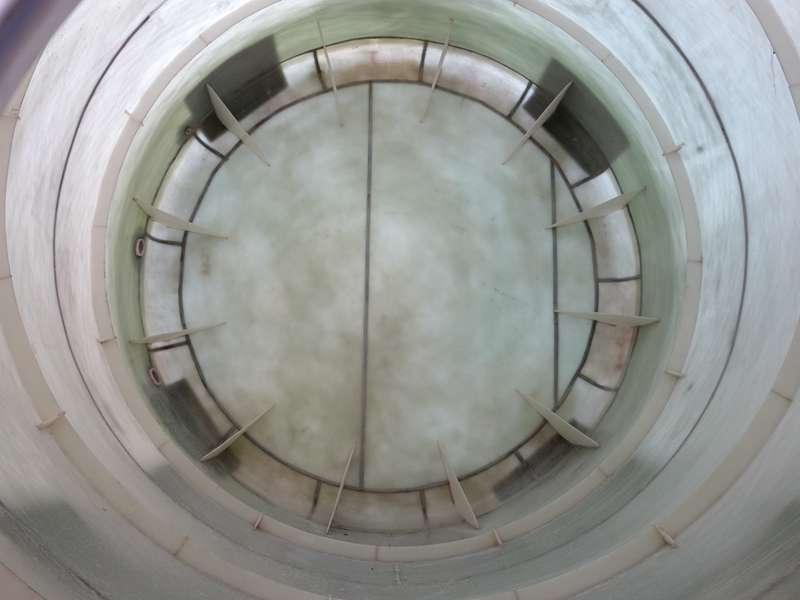
GRP duct is constructed by combining glass fibers with a polymer matrix, typically a thermosetting resin. This combination results in a lightweight yet strong product that boasts excellent thermal and chemical resistance. The manufacturing process allows for customization in shape and size, making GRP ducting versatile for different applications. It is often used in the transportation of air, gases, and other materials in various environments where conventional materials may not perform effectively.
Advantages of GRP Duct
1. Corrosion Resistance One of the standout features of GRP duct is its resistance to corrosion. Unlike metal ducts that can rust or corrode when exposed to moisture and chemicals, GRP does not suffer from these drawbacks. This makes it an ideal choice for environments with high humidity or exposure to aggressive chemicals, such as wastewater treatment plants and chemical processing facilities.
2. Lightweight and Easy to Handle GRP duct is significantly lighter than traditional metal ducting, making it easier to transport and install. This not only reduces labor costs but also minimizes the structural support required for the ducting system. As a result, construction timelines can be shortened, leading to overall project efficiency.
3. Excellent Insulation Properties The insulating properties of GRP contribute to energy efficiency. The material minimizes heat loss or gain during air transport, leading to reduced energy consumption for heating and cooling systems. This is particularly beneficial in climate-controlled environments where maintaining a specific temperature is crucial.
4. Low Maintenance GRP duct requires minimal maintenance due to its durable nature. Unlike other materials that may need regular inspections and repairs, GRP retains its integrity over time, leading to lower operational costs for facility managers.
5. Customizability GRP duct can be manufactured in various shapes and sizes to meet specific design requirements. This flexibility allows engineers and designers to create complex ducting systems that fit seamlessly into existing infrastructure, optimizing airflow and reducing system resistance.
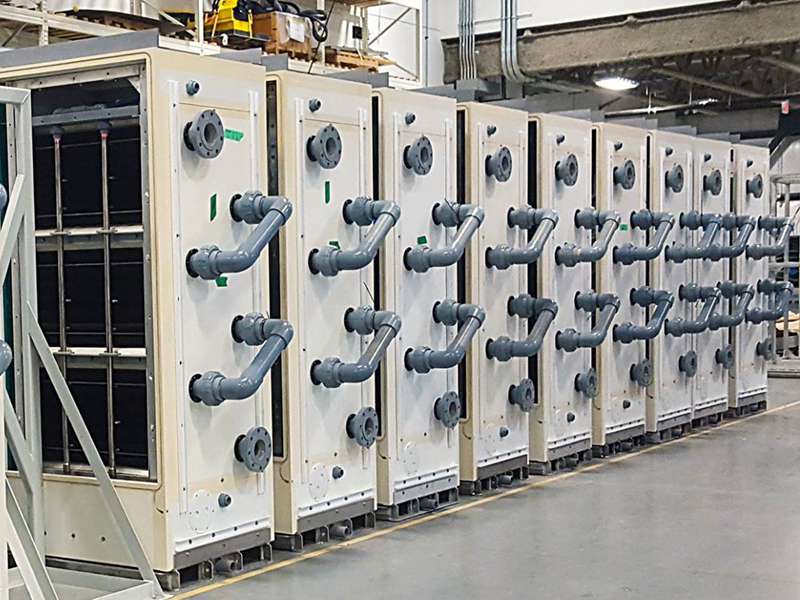
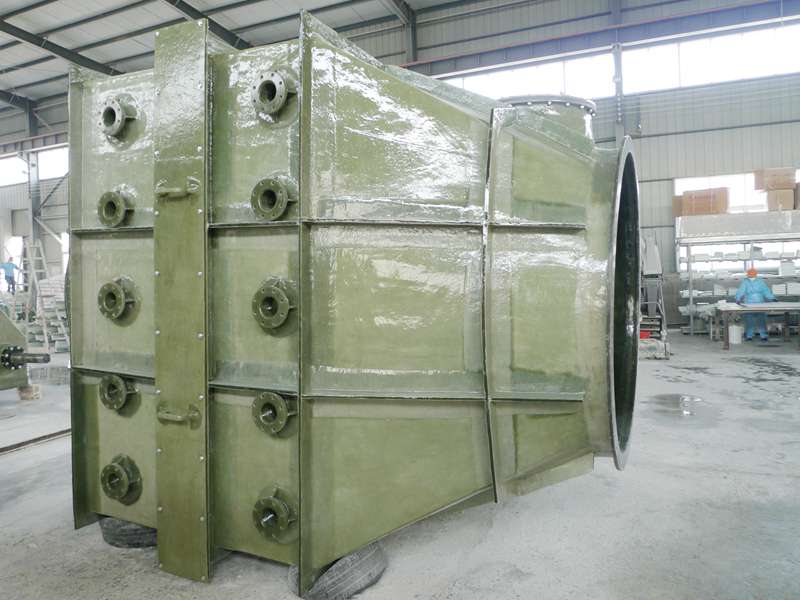
grp duct

6. Noise Reduction GRP ducting can also contribute to noise reduction in HVAC systems. Its construction inherently dampens sound, making it a suitable option for environments where noise control is a priority, such as commercial buildings, hospitals, and schools.
Applications of GRP Duct
GRP ducting finds a broad range of applications across different sectors. Some notable areas include
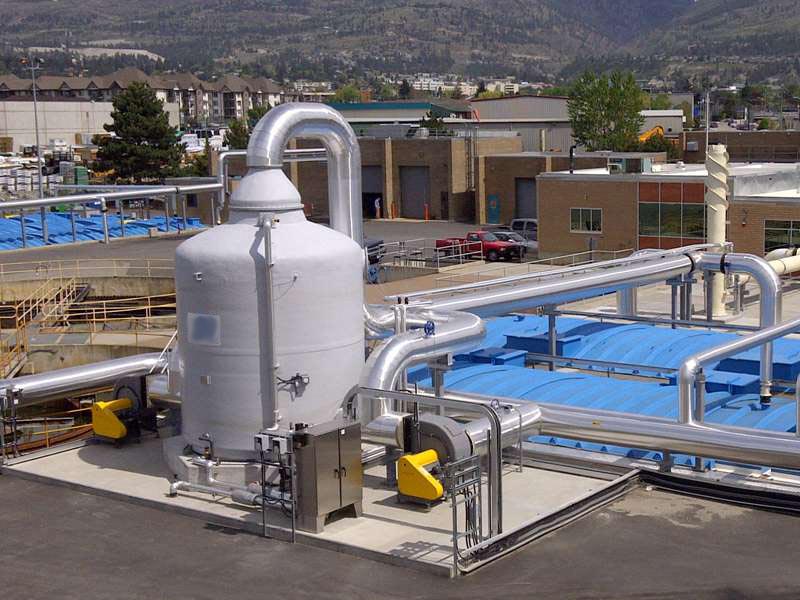
- Industrial Applications In industrial settings, GRP ducting is commonly used for exhaust systems, fume extraction, and in environments that encounter corrosive chemicals. Its resistance to deteriorating factors ensures longevity in challenging conditions.
- HVAC Systems Many commercial and residential HVAC systems incorporate GRP ductwork for its efficiency, insulation capabilities, and ease of installation.
- Marine Applications The marine industry benefits from GRP ducting due to its lightweight design and corrosion resistance, which is vital in the salty ocean environment.
- Wastewater Treatment Facilities The need for robust, corrosion-resistant materials in wastewater treatment makes GRP ducting ideal for this application, helping in the transportation of air and gases without the risk of degradation.
Conclusion
The advantages of GRP ducting make it a standout material in various industries and applications. Its corrosion resistance, lightweight nature, energy efficiency, and low maintenance needs pave the way for a more sustainable and effective approach to constructing ducting systems. As industries continue to evolve and seek innovative solutions, GRP ducting is sure to play a pivotal role in shaping the future of construction and HVAC practices. With its numerous benefits, GRP duct is not just a trend but a viable solution for modern engineering challenges.


Latest news
-
Oblate Tanks: Space-Saving, Durable Liquid Storage SolutionsNewsAug.27,2025
-
High-Performance Piping System Solutions for Industry & Commercial UseNewsAug.26,2025
-
Precision Fittings: Durable & Reliable Industrial & Plumbing SolutionsNewsAug.25,2025
-
Practical Steps: Unlock Success with Our Proven GuidesNewsAug.24,2025
-
Transport Tanks: Safe, Durable & Efficient Liquid HaulingNewsAug.23,2025
-
High-Quality Piping Systems for Efficient Flow & DurabilityNewsAug.22,2025