



Generating a similar title based on grp field tank within 15 words.
Understanding the GRP Field Tank Applications and Advantages
In various industries, the need for efficient storage and transport solutions is paramount. One such solution that has gained significant popularity is the Glass Reinforced Plastic (GRP) field tank. These tanks are primarily used for the storage of water, chemicals, and other liquids. Their unique properties make them ideal for a range of applications, particularly in sectors such as agriculture, construction, and industrial processes.
What is a GRP Field Tank?
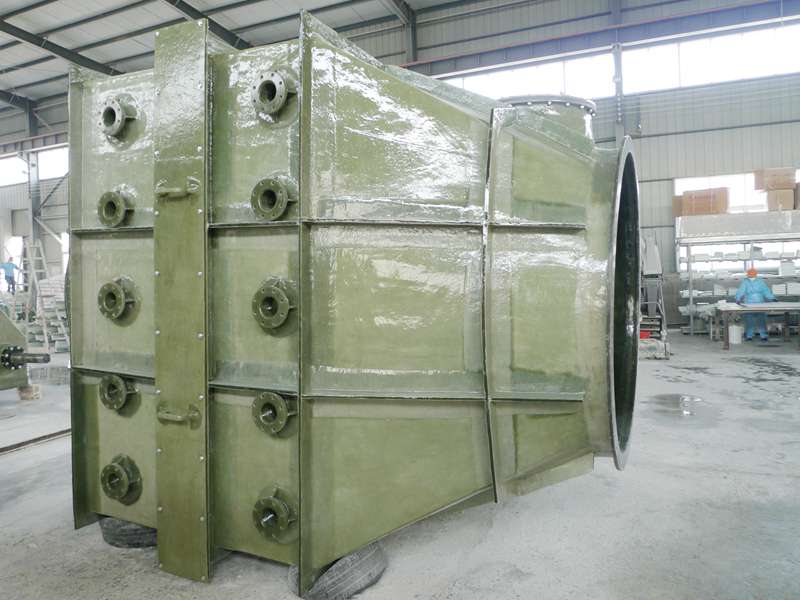
A GRP field tank, often referred to as a fiberglass tank, is constructed from a composite material that includes glass fibers reinforced with plastic. This combination creates a lightweight yet incredibly strong structure that can withstand a variety of environmental conditions. The tank's design incorporates a smooth interior surface, reducing the risk of contamination and enhancing flow efficiency.
Advantages of GRP Field Tanks
1. Corrosion Resistance One of the standout features of GRP tanks is their resistance to corrosion. Unlike traditional metal tanks that can rust or degrade when exposed to certain chemicals, GRP tanks maintain their integrity over time. This property not only extends the lifecycle of the tanks but also ensures that the contents remain uncontaminated.
2. Lightweight and Durable GRP field tanks are significantly lighter than their metal counterparts. This lightness facilitates easier transportation and installation, allowing for reduced labor costs and time. Despite this lightweight nature, GRP tanks exhibit remarkable durability and can withstand impacts and harsh environmental conditions, making them ideal for outdoor usage.
3. Versatility These tanks are highly versatile and can be tailored to meet specific needs. They come in various shapes and sizes, accommodating different volume requirements. Whether it’s a small tank for agricultural irrigation or larger tanks for industrial applications, GRP tanks can be customized to fit any scenario.
4. Cost-Effectiveness While the initial investment in a GRP tank may be higher than that of traditional materials, the long-term savings can be substantial. Their resistance to corrosion reduces maintenance and replacement costs. Additionally, the insights gained from a long lifespan contribute to a lower total cost of ownership.
grp field tank
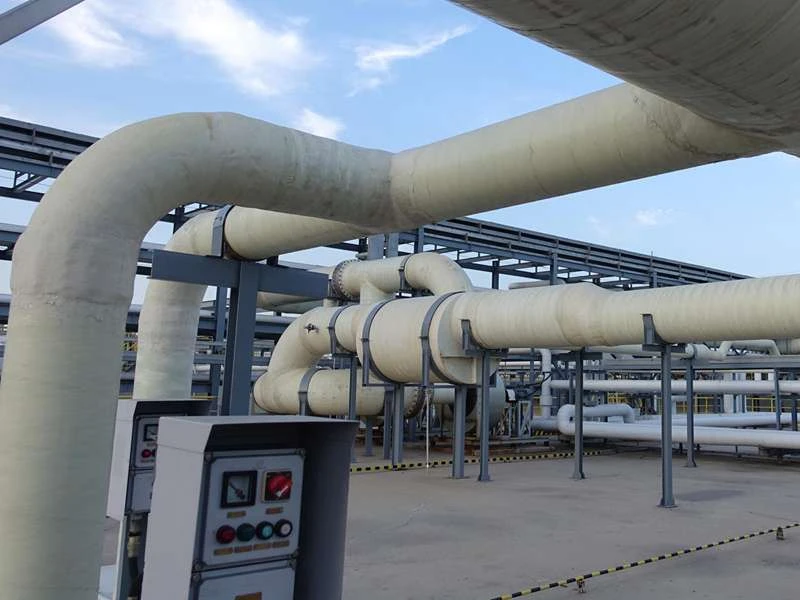
5. Environmental Impact GRP tanks present a more environmentally friendly option compared to metal or concrete tanks. Their production emits less CO2 and they can be manufactured with recycled materials, aligning with sustainable practices. Furthermore, their durability means fewer resources are used in repairs and replacements over time.
Applications of GRP Field Tanks
The applicability of GRP field tanks spans several industries.
1. Agriculture In agriculture, GRP tanks are widely used for water storage, irrigation purposes, and the management of agricultural chemicals. The tanks help farmers efficiently manage their water resources, especially in regions where water scarcity is a concern.
2. Industrial Use In industrial settings, GRP tanks are essential for storing chemicals, wastewater, and other liquids that require careful handling. Their robustness and resistance to a variety of chemicals make them a favored choice for many factories and processing plants.
3. Construction The construction industry has also adopted GRP tanks for temporary water storage, firefighting water supply, and equipment decontamination. Their ease of installation and ability to handle different liquids seamlessly fit the dynamic needs of construction projects.
4. Municipal Applications Cities use GRP tanks for stormwater management and treatment processes. The tanks can be integrated into systems designed to capture and store runoff, helping to mitigate flooding and manage water quality.
Conclusion
The GRP field tank exemplifies the fusion of innovation and practicality in storage solutions. With their lightweight design, exceptional durability, and resistance to corrosion, they offer myriad advantages across a range of industries. As the demand for effective and efficient storage solutions continues to grow, GRP tanks are poised to remain a staple in both current and future applications, helping industries to meet their operational needs sustainably and economically. Embracing technologies like GRP tanks not only enhances performance but also contributes to a more sustainable future.


Latest news
-
Oblate Tanks: Space-Saving, Durable Liquid Storage SolutionsNewsAug.27,2025
-
High-Performance Piping System Solutions for Industry & Commercial UseNewsAug.26,2025
-
Precision Fittings: Durable & Reliable Industrial & Plumbing SolutionsNewsAug.25,2025
-
Practical Steps: Unlock Success with Our Proven GuidesNewsAug.24,2025
-
Transport Tanks: Safe, Durable & Efficient Liquid HaulingNewsAug.23,2025
-
High-Quality Piping Systems for Efficient Flow & DurabilityNewsAug.22,2025