



grp fitting
Understanding GRP Fitting A Comprehensive Guide
GRP fitting, or Glass Reinforced Plastic fitting, has become an essential component in various industries due to its remarkable durability, corrosion resistance, and lightweight characteristics. This article delves into the significance of GRP fittings, their applications, advantages, and the fitting process.
What are GRP Fittings?
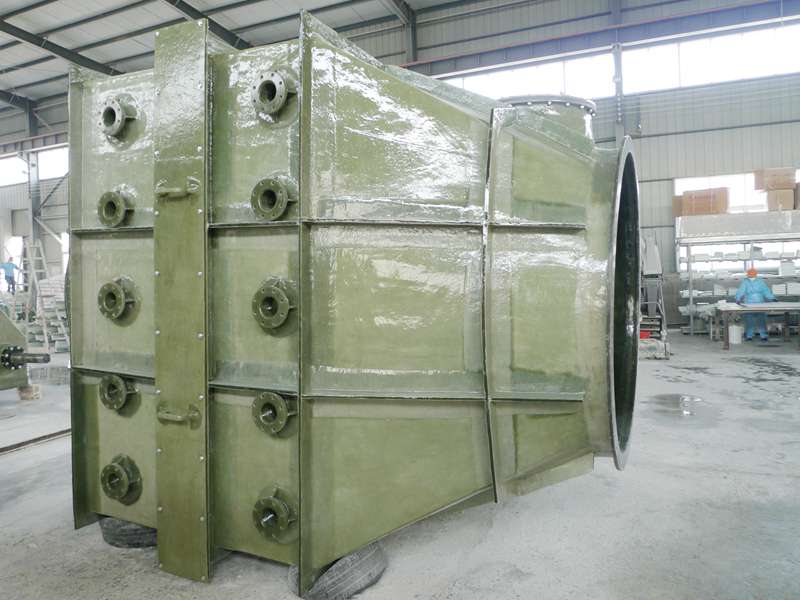
GRP fittings are components made from glass reinforced plastic that are used to connect different sections of pipelines, ducts, or other systems. They are manufactured through a process that combines glass fiber with resin, creating a composite material that is significantly stronger than its individual parts. The unique properties of GRP make it an ideal material for a wide range of applications, especially in environments where traditional materials may fail due to corrosion or chemical exposure.
Key Applications of GRP Fittings
One of the primary applications of GRP fittings is in the oil and gas sector, where they are utilized in pipelines that transport corrosive substances. Additionally, the water treatment industry benefits from GRP fittings in water supply systems, which require materials that can withstand harsh conditions without deteriorating. Other applications include electrical installations, chemical processing plants, and even civil engineering projects where lightweight, strong materials are required.
Advantages of GRP Fittings
grp fitting
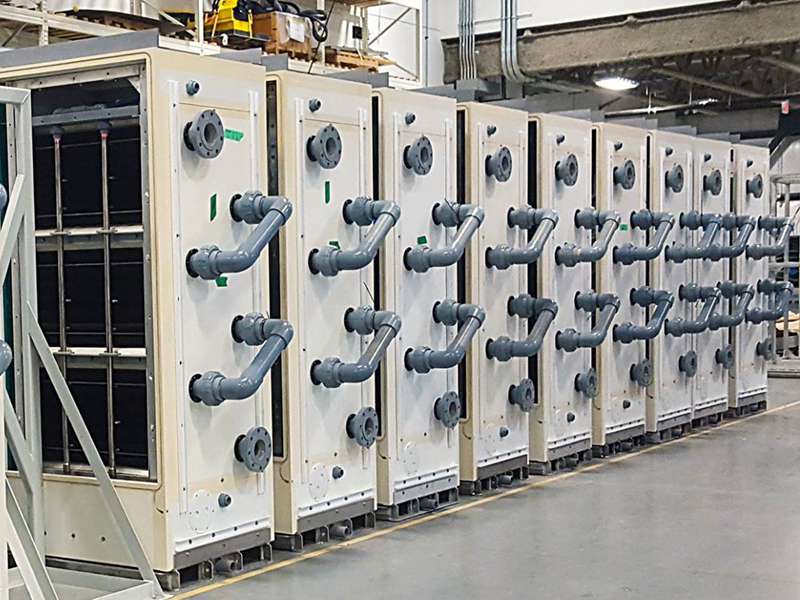
The advantages of GRP fittings are numerous. First and foremost, their corrosion resistance greatly extends the lifespan of pipelines, reducing maintenance costs and downtime. Unlike metal fittings that can rust or suffer from chemical degradation, GRP fittings maintain their structural integrity over time. Furthermore, GRP fittings are lightweight, making them easier to handle and install. This feature not only lowers transportation costs but also increases safety during the installation process.
Another significant benefit is the thermal insulation properties of GRP. They can withstand extreme temperatures without deforming, making them suitable for applications in both hot and cold environments. Additionally, GRP fittings can be custom-made to fit specific project requirements, ensuring a perfect match for any system.
The Fitting Process
The installation of GRP fittings involves several essential steps to ensure a secure and leak-free seal. The first step is to prepare the surface of the pipe and the fitting by cleaning and removing any debris or contaminants. Next, a suitable adhesive or bonding agent is applied to both surfaces. The fitting is then carefully aligned and pressed onto the pipe, ensuring that it adheres properly.
After the fitting is installed, it is crucial to allow sufficient curing time for the adhesive to strengthen. This step may vary based on the type of resin used and environmental conditions. Once cured, a thorough inspection is carried out to check for any irregularities or potential leaks. Conducting pressure tests post-installation is also recommended to ensure the system's integrity.
Conclusion
In conclusion, GRP fittings have emerged as a superior choice in various industrial applications due to their robustness, corrosion resistance, and ease of handling. As industries continue to demand more durable and reliable materials, the importance of GRP fittings is expected to grow. Understanding the properties, advantages, and fitting process of GRP is vital for engineers, project managers, and businesses aiming to optimize their systems for longevity and efficiency. With continuous advancements in GRP technology, the future looks promising for the widespread adoption of this innovative material.
Latest news
-
Oblate Tanks: Space-Saving, Durable Liquid Storage SolutionsNewsAug.27,2025
-
High-Performance Piping System Solutions for Industry & Commercial UseNewsAug.26,2025
-
Precision Fittings: Durable & Reliable Industrial & Plumbing SolutionsNewsAug.25,2025
-
Practical Steps: Unlock Success with Our Proven GuidesNewsAug.24,2025
-
Transport Tanks: Safe, Durable & Efficient Liquid HaulingNewsAug.23,2025
-
High-Quality Piping Systems for Efficient Flow & DurabilityNewsAug.22,2025