



grp products for thermal and nuclear power
Innovative GRP Products for Thermal and Nuclear Power Generation
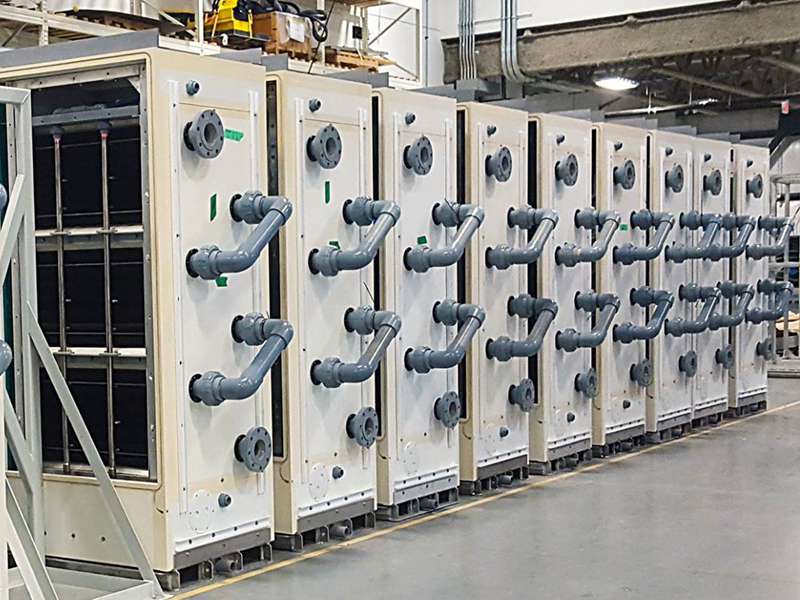
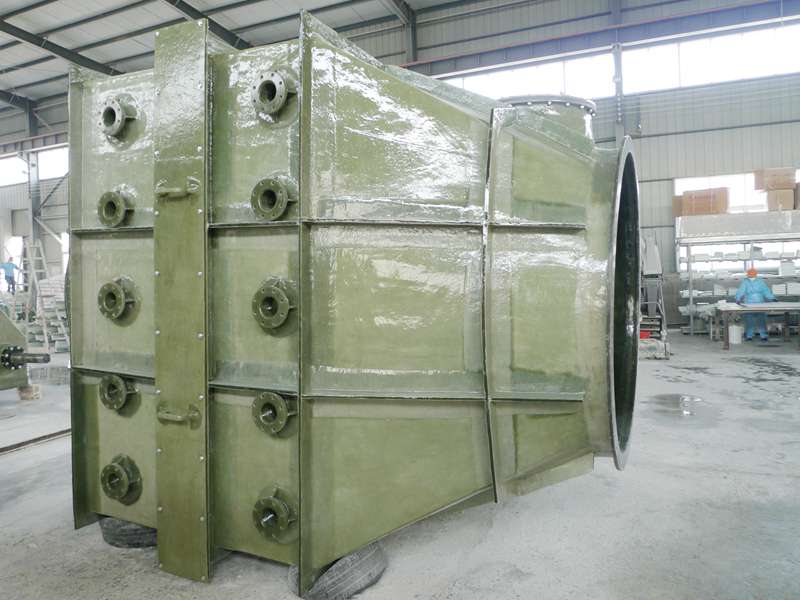
In the ever-evolving landscape of energy production, the demand for sustainable and efficient solutions continues to rise. Among the innovative materials gaining traction in this sector are Glass Reinforced Plastics (GRP). These composites are proving to be essential in enhancing the design, durability, and efficiency of both thermal and nuclear power plants.
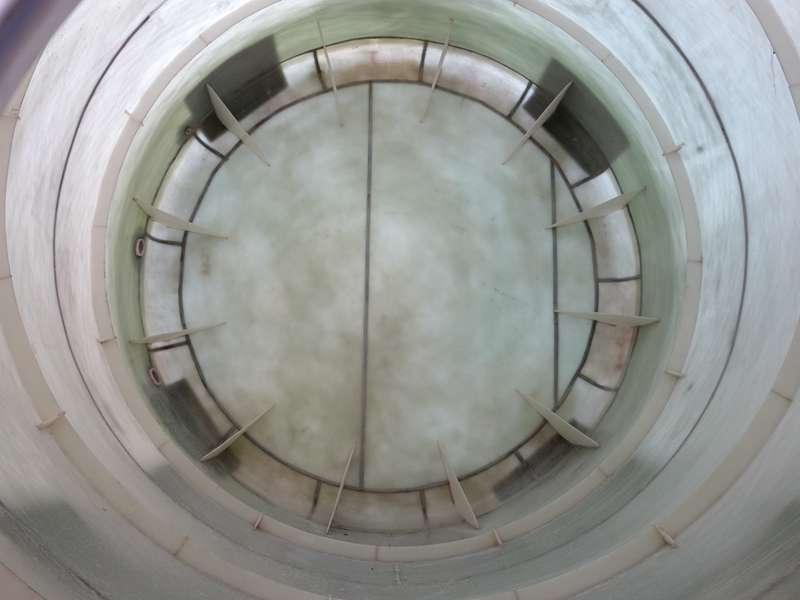
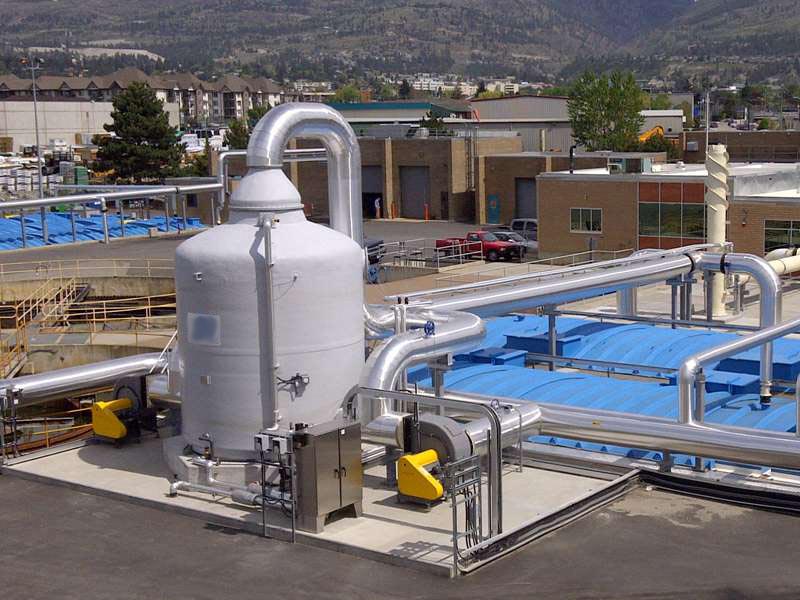
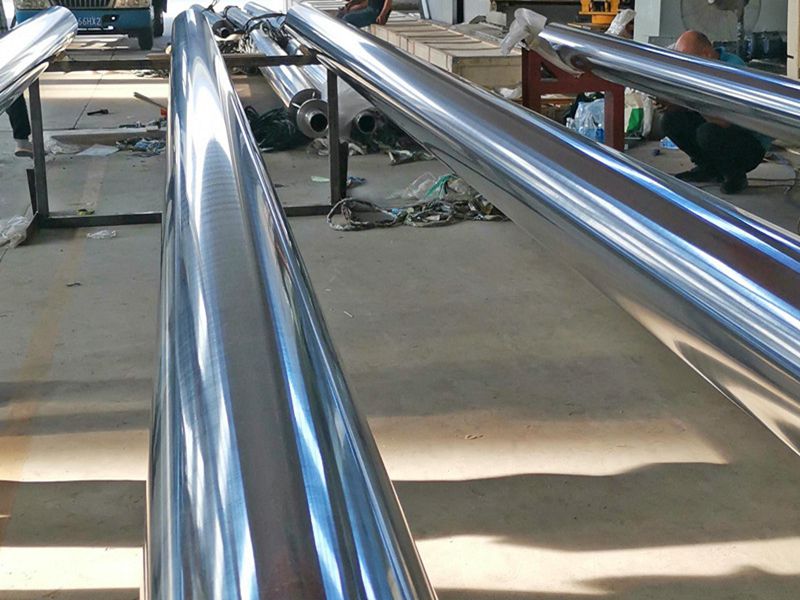
One of the primary advantages of GRP products is their exceptional resistance to corrosion. In thermal power plants, where water and chemical exposure is prevalent, traditional materials like steel can succumb to rust and corrosion over time. This deterioration not only necessitates frequent maintenance but can also lead to operational inefficiencies. GRP, on the other hand, provides a long-lasting solution that significantly reduces the risk of corrosion. This property is particularly beneficial in components such as piping, storage tanks, and cooling systems, where longevity and reliability are crucial.
In the context of nuclear power, safety is paramount. GRP products are increasingly utilized in various applications within nuclear facilities, including containment structures, shielding, and support systems. The lightweight nature of GRP makes it easier to handle and install, reducing labor costs and time. Moreover, the ability to customize the material for specific applications ensures that it can meet stringent safety standards while maintaining structural integrity. The non-conductive properties of GRP also offer advantages in terms of radiation shielding, making it a favorable choice for sensitive environments.
grp products for thermal and nuclear power

Another significant benefit of GRP is its thermal insulation properties. In thermal power generation, maintaining optimal temperatures is crucial for efficiency. GRP can help manage heat loss in power generation systems, thereby improving overall energy efficiency. Additionally, the material’s excellent thermal resistance ensures that components can withstand extreme temperatures without degrading, which is essential for both thermal and nuclear applications.
Sustainability is a critical consideration in modern energy production, and GRP products align well with this goal. The manufacturing process of GRP can be more environmentally friendly than traditional materials, as it often requires less energy to produce. Moreover, GRP can be recycled and repurposed at the end of its life cycle, reducing waste and supporting a circular economy. This attribute resonates well with the growing emphasis on eco-friendly practices within the energy sector.
Furthermore, the versatility of GRP allows for innovative designs that can enhance the efficiency and aesthetic of power plants. Its moldability enables the creation of complex shapes and structures that can optimize airflow, fluid dynamics, and overall plant performance. As the energy sector explores new technologies and methods to boost efficiency, GRP will undoubtedly play a pivotal role.
In summary, GRP products are revolutionizing the thermal and nuclear power industries by offering solutions that address corrosion, safety, thermal management, sustainability, and design flexibility. As energy demands continue to grow globally, the integration of advanced materials like GRP will be essential in driving efficiency and reliability in power generation. By embracing these innovations, the energy sector can work towards a more sustainable and resilient future, ultimately meeting the needs of both industries and communities alike.


Latest news
-
Oblate Tanks: Space-Saving, Durable Liquid Storage SolutionsNewsAug.27,2025
-
High-Performance Piping System Solutions for Industry & Commercial UseNewsAug.26,2025
-
Precision Fittings: Durable & Reliable Industrial & Plumbing SolutionsNewsAug.25,2025
-
Practical Steps: Unlock Success with Our Proven GuidesNewsAug.24,2025
-
Transport Tanks: Safe, Durable & Efficient Liquid HaulingNewsAug.23,2025
-
High-Quality Piping Systems for Efficient Flow & DurabilityNewsAug.22,2025