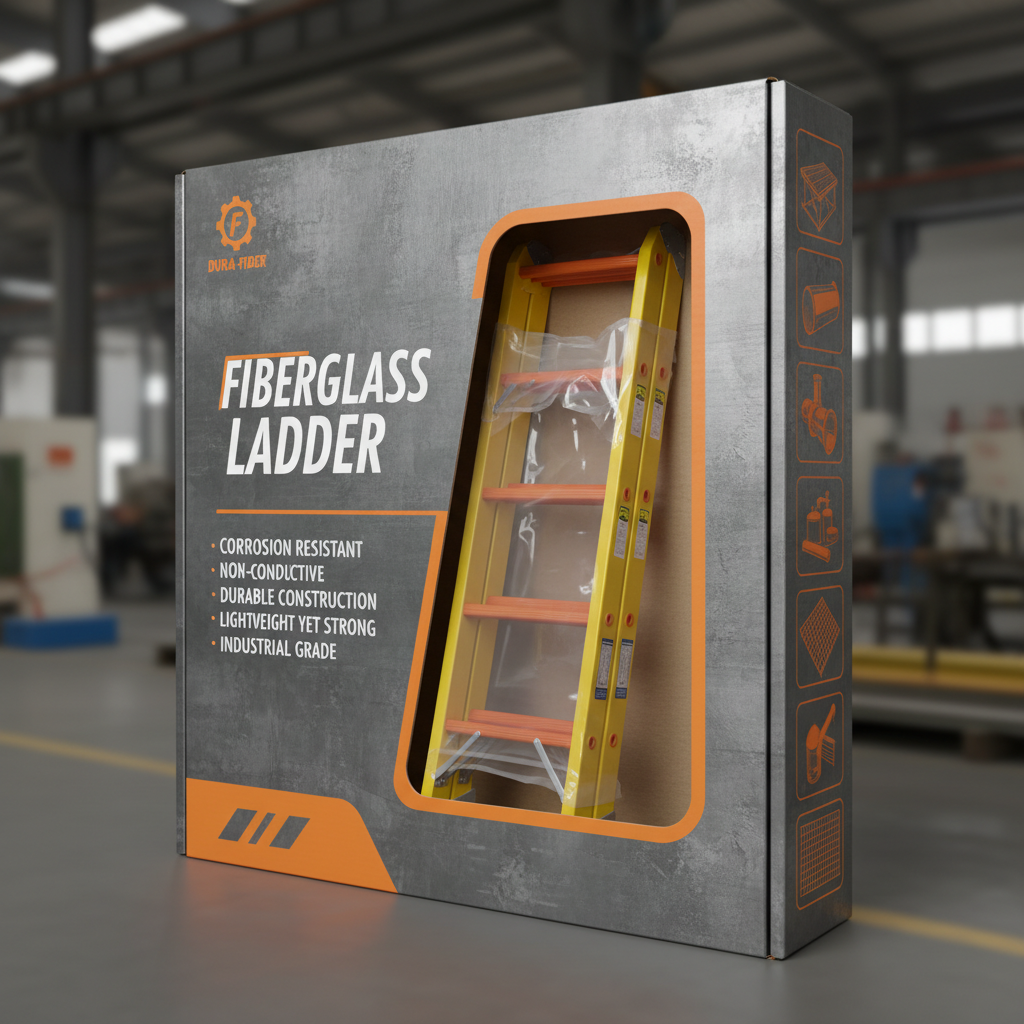
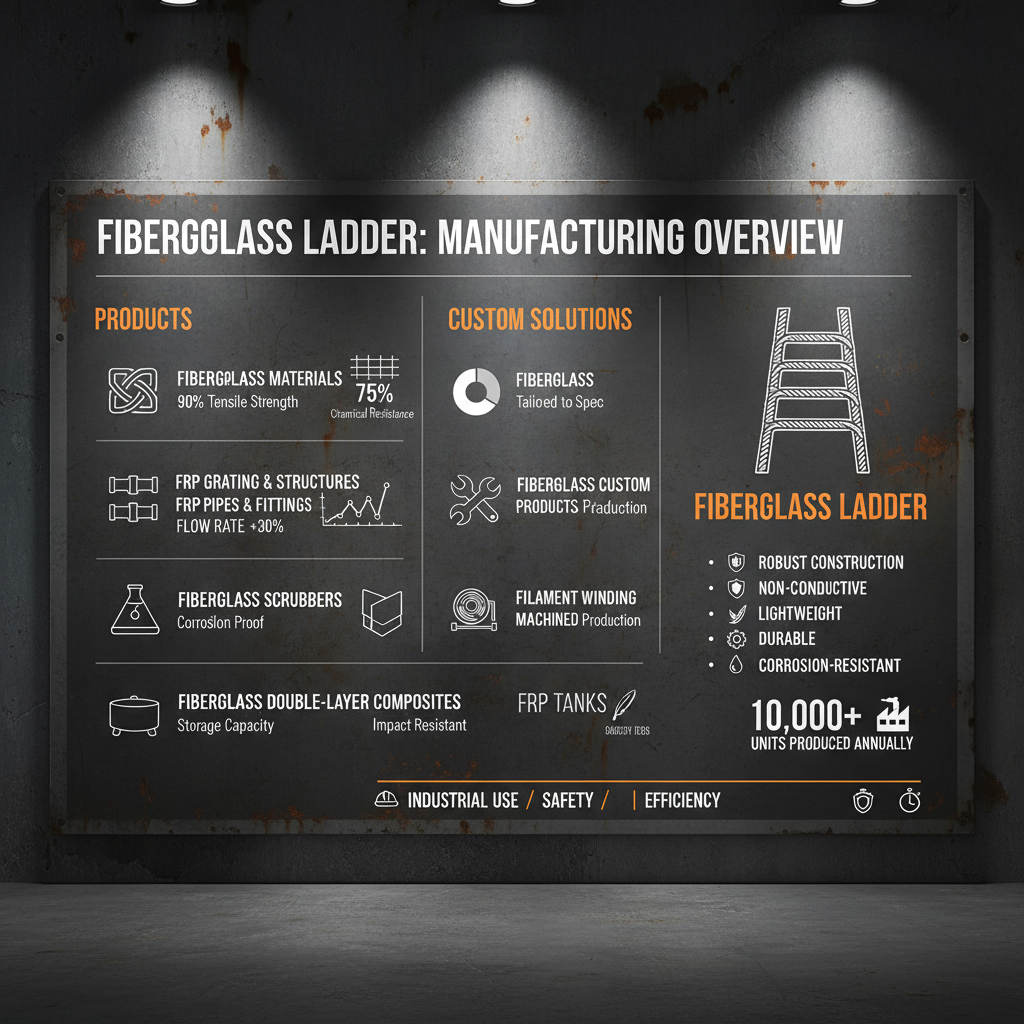
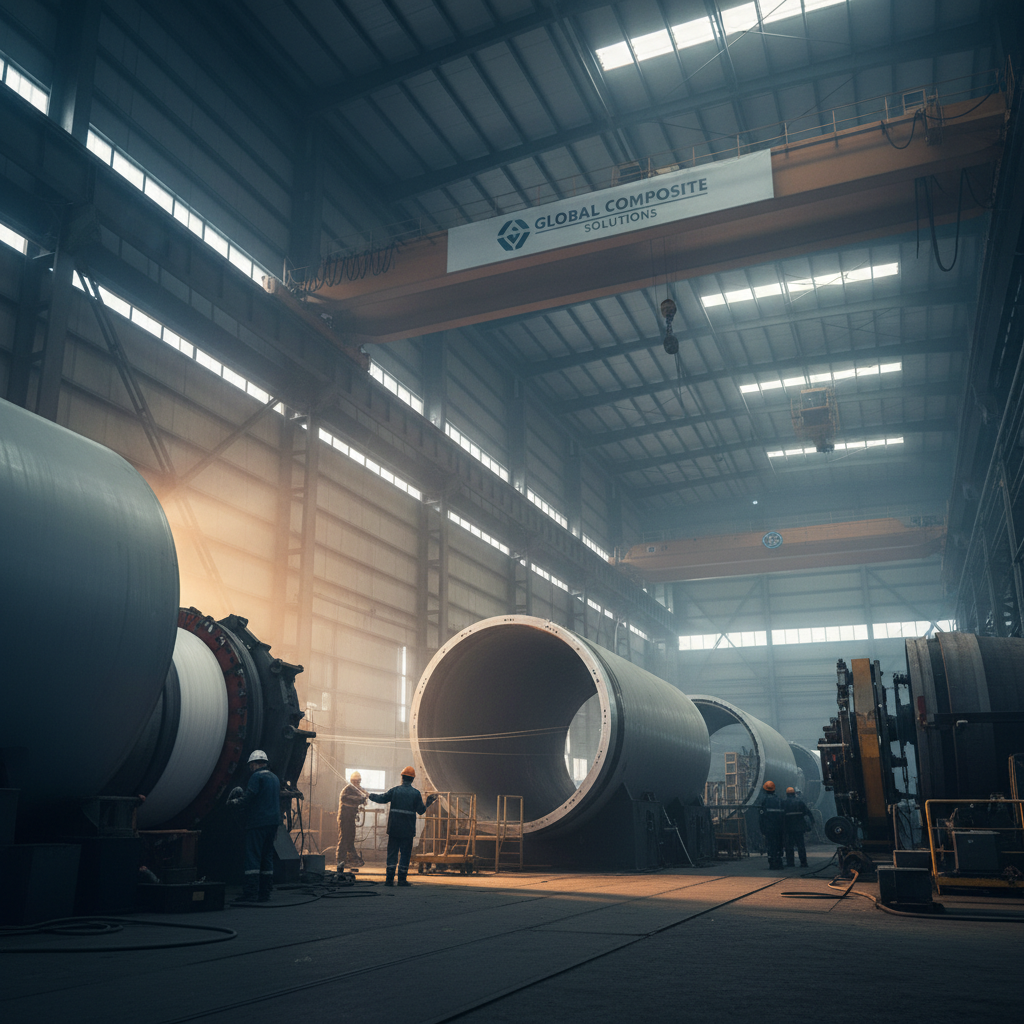
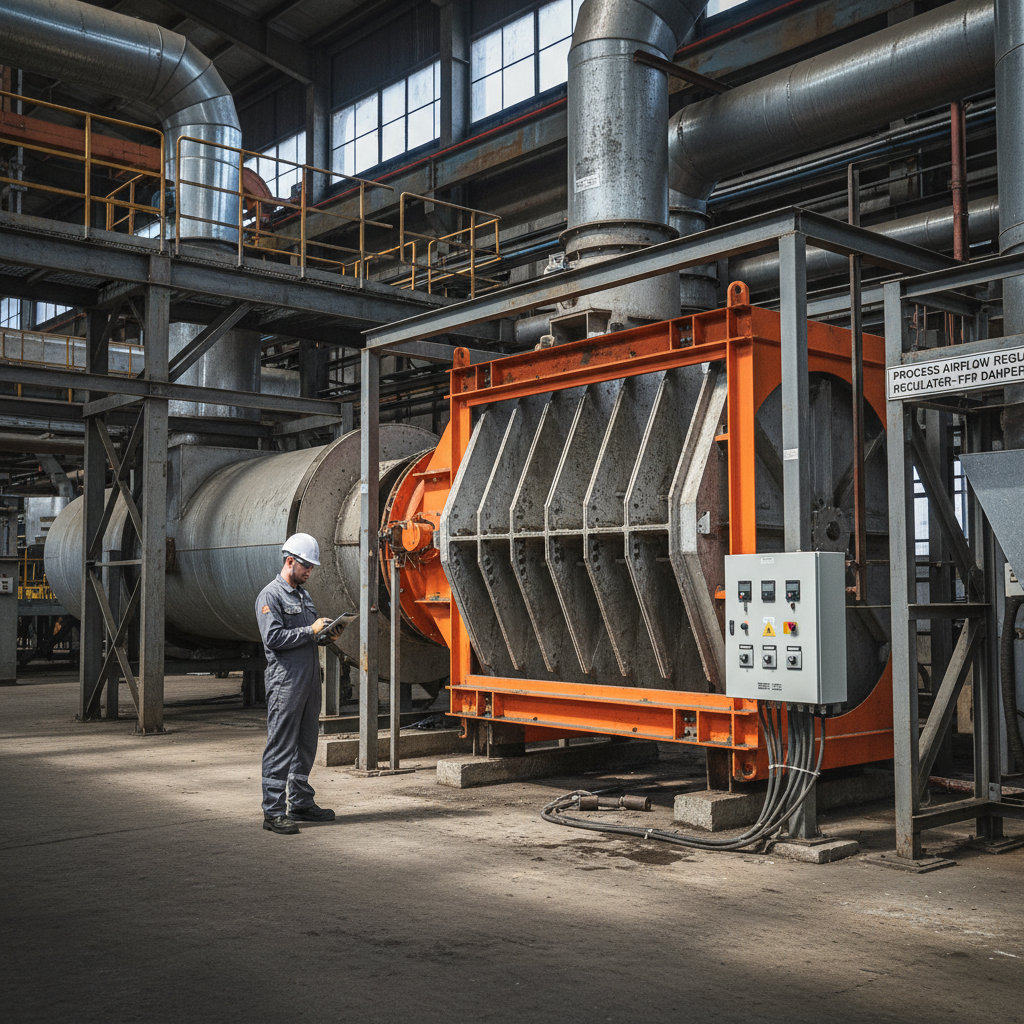
In the demanding landscape of modern industrial maintenance and construction, the selection of access equipment is not merely a matter of convenience but a critical safety decision. The fiberglass ladder has emerged as the gold standard for environments where traditional aluminum or wooden structures fail, offering a unique combination of strength, lightweight portability, and non-conductive properties.
Globally, the shift toward Fiber Reinforced Plastics (FRP) represents a broader industrial evolution toward materials that resist corrosion and chemical degradation. Whether in wastewater treatment plants, electrical substations, or offshore oil rigs, the integration of a high-quality fiberglass ladder ensures that personnel can perform essential tasks without the risks associated with conductivity or rust-induced structural failure.
Understanding the engineering behind these tools allows facility managers and safety officers to optimize their operational efficiency. By prioritizing materials that adhere to strict international safety standards, industries can significantly reduce workplace accidents while extending the lifecycle of their equipment in the most aggressive environments.
Global Industrial Relevance of Fiberglass Ladders
Across the globe, the demand for non-conductive access solutions has spiked as electrical grids expand and industrial automation grows. According to safety guidelines aligned with ISO and OSHA standards, the use of a fiberglass ladder is mandatory in environments where there is a risk of electrical shock, making it a cornerstone of occupational health and safety in the energy sector.
The challenge facing many developing industrial zones is the rapid degradation of metal equipment due to humidity and salinity. In these regions, traditional ladders rust within months, leading to catastrophic structural failures. Transitioning to FRP materials eliminates this cycle of replacement, providing a sustainable solution that meets the rigorous demands of heavy-duty industrial usage.
Defining the FRP Ladder Standard
At its core, a fiberglass ladder is a structural tool constructed from a composite material consisting of fine glass fibers embedded within a polymer resin matrix. This synergy creates a product that possesses the rigidity of metal but remains completely non-conductive to electricity and impervious to the corrosive effects of acids, bases, and saltwater.
Unlike aluminum, which can warp or corrode, or wood, which can rot and splinter, the FRP composite is engineered for longevity. This makes it an essential component for modern humanitarian and industrial needs, particularly in the construction of permanent access points for water treatment facilities and chemical processing plants.
The "standard" for these ladders is defined by their load-bearing capacity and their dielectric strength. By utilizing advanced winding and molding techniques, manufacturers can ensure that every rung and rail can withstand significant weight while maintaining a lightweight profile for easy deployment in the field.
Core Engineering Factors for Durability
One of the primary factors contributing to the reliability of a fiberglass ladder is its exceptional corrosion resistance. In chemical processing plants, where airborne vapors can eat through steel in a matter of years, FRP remains inert, ensuring that the structural integrity of the climbing system is never compromised by environmental exposure.
Weight-to-strength ratio is another critical engineering metric. By optimizing the glass fiber orientation, these ladders provide a stable, rigid platform that supports heavy industrial loads without the cumbersome weight of reinforced concrete or heavy-gauge steel, facilitating faster installation and lower shipping costs.
Finally, the non-conductive nature of the resin is what defines the safety profile of the tool. This property is not just a feature but a life-saving requirement for electricians and utility workers, as it prevents the ladder from becoming a conduit for electrical current during high-voltage maintenance.
Comparative Performance Analysis
When comparing different materials, the fiberglass ladder consistently outperforms others in specialized environments. While aluminum is praised for its lightness, it is dangerous around electricity and prone to oxidation in coastal regions. Wooden options, while non-conductive, lack the longevity and precision engineering required for permanent industrial installations.
To better understand the efficiency of these tools, we analyze performance across several dimensions: chemical resistance, electrical insulation, longevity, weight efficiency, and overall safety ratings. This data highlights why FRP is the preferred choice for high-risk infrastructure.
Material Performance Comparison for Access Equipment
Global Applications and Use Cases
The versatility of the fiberglass ladder makes it indispensable across various sectors. In the maritime industry, specifically for boat body maintenance and dockside access, these ladders resist saltwater corrosion that would destroy metal alternatives within a few seasons. Similarly, in the oil and gas sector, they are used in refineries where volatile organic compounds (VOCs) create a highly corrosive atmosphere.
Beyond heavy industry, these solutions are critical in urban infrastructure. For example, in the maintenance of municipal sewage systems and clarifier tanks, FRP ladders provide a safe, slip-resistant means of entry that does not react with the harsh chemicals used in water purification. From remote industrial zones in Southeast Asia to the high-tech grids of North America, FRP is the trusted choice for safety.
Long-Term Value and Safety Benefits
Investing in a fiberglass ladder is an exercise in long-term cost reduction. While the initial procurement cost may be higher than a basic aluminum model, the Total Cost of Ownership (TCO) is significantly lower. This is due to the near-zero maintenance requirements; there is no need for painting, galvanizing, or treating the material to prevent rot or rust.
From a psychological and social perspective, providing workers with high-grade FRP equipment fosters a culture of safety and trust. When a technician knows their equipment is engineered to prevent electrical conduction and structural failure, their productivity increases, and the organization's risk liability decreases.
Furthermore, the sustainability of FRP is becoming a key driver. Because these ladders last decades rather than years, the environmental impact associated with the manufacturing and transport of replacement ladders is drastically reduced, aligning industrial operations with global green initiatives.
Future Trends in FRP Access Systems
The next generation of the fiberglass ladder is being shaped by advancements in nanotechnology and smart materials. We are seeing the integration of carbon-nanotubes into the resin matrix to increase strength-to-weight ratios even further, allowing for longer spans without the need for additional support brackets.
Digital transformation is also touching this sector. Some high-end industrial installations are now incorporating embedded sensors within the FRP rails to monitor structural stress and wear in real-time. This enables "predictive maintenance," where a ladder is replaced based on actual structural degradation data rather than a fixed calendar schedule.
As the world moves toward a circular economy, the industry is also focusing on the recyclability of thermoset resins. New chemical recycling processes are being developed to break down old FRP ladders into raw materials, ensuring that the lifecycle of these essential tools is completely sustainable.
Analysis of FRP Ladder Performance Across Different Industrial Environments
| Environment Type |
Corrosion Risk |
Conductivity Risk |
Recommended Lifespan |
| Wastewater Plants |
Extremely High |
Moderate |
20+ Years |
| Electrical Substations |
Low |
Critical |
25+ Years |
| Offshore Oil Rigs |
Critical (Salt) |
Moderate |
15-20 Years |
| Chemical Refineries |
High (Acidic) |
High |
20+ Years |
| Food Processing |
Moderate |
Low |
20+ Years |
| General Construction |
Low |
Moderate |
15+ Years |
FAQS
Fiberglass is a non-conductive material, meaning it does not allow electricity to flow through it. Aluminum, conversely, is an excellent conductor. In the event of an accidental contact with a live wire, an aluminum ladder could energize and cause a fatal electric shock to the user, whereas a fiberglass ladder provides a critical layer of insulation that protects the worker.
Maintenance for FRP is minimal. The most important step is to clean the rungs with mild soap and water to remove grease or oil that could cause slips. Additionally, it is recommended to periodically check for "fiber bloom"—small glass fibers that can emerge if the protective resin coat is scratched. Simply sanding these lightly and applying a fresh coat of UV-resistant resin will restore the surface.
In terms of pure tensile strength per unit of weight, FRP is incredibly competitive. While a massive steel beam is stronger than a fiberglass rail, for the application of a ladder, FRP provides more than enough load-bearing capacity to meet industrial safety ratings (such as Type IA or IAA) while being significantly lighter and easier to move.
Yes, fiberglass ladders are designed to withstand a wide range of temperatures. Unlike some plastics that become brittle in extreme cold or warp in extreme heat, the thermoset resins used in FRP maintain their structural integrity and flexibility in both freezing Arctic conditions and high-temperature industrial environments.
Absolutely. When calculating the Total Cost of Ownership, FRP wins because it eliminates the need for replacement due to rust or rot. An aluminum ladder in a saltwater environment might need replacement every 3-5 years; a fiberglass ladder can last 20. The savings on labor and procurement far outweigh the initial price difference.
Look for certifications from recognized bodies such as OSHA (Occupational Safety and Health Administration) or ANSI (American National Standards Institute). These certifications ensure the ladder has been tested for maximum load capacity, stability, and dielectric strength, guaranteeing that the product meets professional industrial safety requirements.
Conclusion
The adoption of the fiberglass ladder represents a strategic shift toward safety-first engineering in the industrial sector. By combining non-conductivity, extreme corrosion resistance, and a high strength-to-weight ratio, FRP access systems solve the fundamental failures of metal and wood. From reducing the risk of electrical accidents to eliminating the cost of rust-related replacements, these tools provide a tangible increase in both operational efficiency and worker security.
Looking ahead, the integration of smart monitoring and sustainable recycling will only enhance the value of FRP technology. For any organization operating in hazardous or corrosive environments, upgrading to fiberglass is no longer an optional luxury but a necessary evolution in infrastructure management. We encourage all facility managers to audit their current access equipment and prioritize materials that guarantee longevity and safety. Visit our website for professional FRP solutions: www.jrain-frp.com