


Molded Fiberglass Grating - Durable, Lightweight, and Corrosion-Resistant Solutions
The Versatility and Benefits of Molded Fiberglass Grating
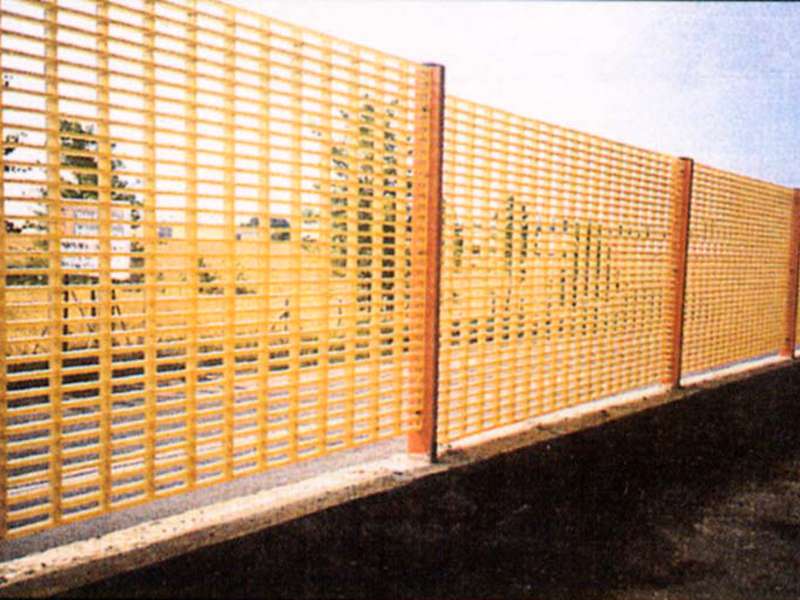
Molded fiberglass grating is quickly becoming a preferred choice in a wide range of industrial and commercial applications due to its unique properties and numerous advantages. This type of grating, made from a combination of fiberglass resin and reinforcing materials, offers exceptional durability, corrosion resistance, and a lightweight design, making it an ideal solution for various environments.
One of the most significant benefits of molded fiberglass grating is its inherent resistance to corrosion. In industries such as chemical processing, wastewater treatment, and marine environments, where exposure to harsh chemicals and moisture is commonplace, traditional materials like steel or wood often succumb to rust and rot. In contrast, fiberglass grating maintains its structural integrity and appearance, reducing the need for frequent replacements and maintenance. This means lower long-term costs and less downtime, making it a financially sound investment for companies.
Additionally, molded fiberglass grating is non-conductive and has excellent electrical insulation properties. This feature makes it particularly valuable in environments where electrical safety is a concern, helping to mitigate the risk of electrical hazards and providing enhanced safety for workers. Moreover, its lightweight nature facilitates easy handling and installation, reducing labor costs and installation time significantly.
Another advantage of molded fiberglass grating is its customizable design
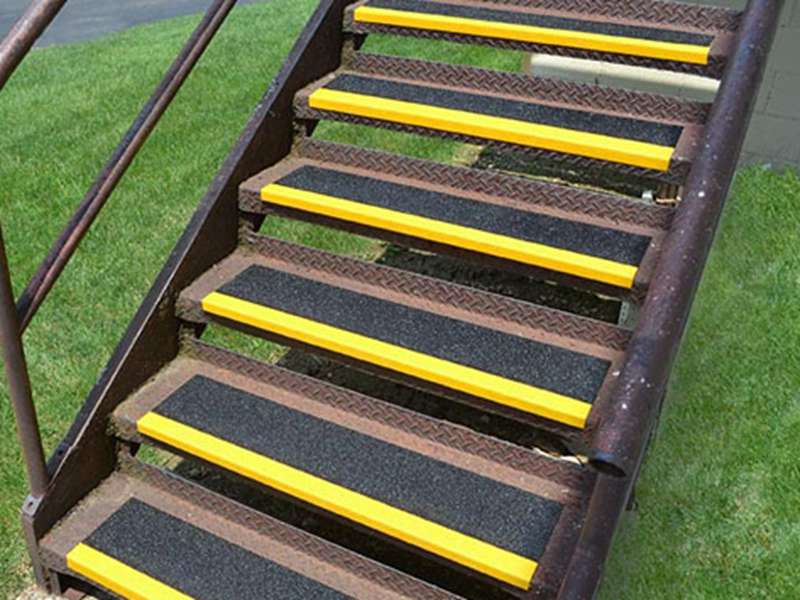
. It can be manufactured in various sizes, colors, and thicknesses to meet specific project requirements. This versatility allows architects and engineers to incorporate molded fiberglass grating into their designs seamlessly, whether it's for flooring, walkways, or platforms. Furthermore, the grating’s open design promotes excellent drainage and airflow, making it suitable for applications where moisture management is critical.molded fiberglass grating
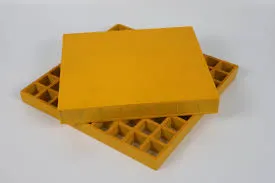
Fire safety is another area where molded fiberglass grating excels. Many types of fiberglass grating are fire-retardant and have a Class 1 or Class A fire rating, making them suitable for use in sensitive environments where fire resistance is paramount. This characteristic contributes to overall workplace safety and aligns with industry regulations, further enhancing its appeal to businesses in various sectors.
In terms of aesthetics, fiberglass grating can be molded into different colors and finishes, which not only serve functional purposes but can also complement the visual design of a facility. Businesses are increasingly recognizing the importance of having an attractive workspace that reflects their brand identity; thus, having the option to select the appearance of grating enhances the overall ambiance of industrial settings.
Finally, the environmental impact of using molded fiberglass grating should not be overlooked. As industries move towards more sustainable practices, fiberglass offers advantages such as reduced waste in its production process and potential for recycling at the end of its lifespan. This aligns with the growing trend of adopting eco-friendly materials in construction and manufacturing.
In conclusion, molded fiberglass grating presents an array of benefits that make it an appealing choice for various industries. Its corrosion resistance, electrical insulation, lightweight design, customizable options, enhanced fire safety, aesthetic flexibility, and environmental considerations are just a few reasons why it stands out as a superior option over traditional materials. As businesses continue to seek materials that contribute to safety, efficiency, and sustainability, molded fiberglass grating is poised to play a pivotal role in shaping the future of industrial construction.
Latest news
-
Oblate Tanks: Space-Saving, Durable Liquid Storage SolutionsNewsAug.27,2025
-
High-Performance Piping System Solutions for Industry & Commercial UseNewsAug.26,2025
-
Precision Fittings: Durable & Reliable Industrial & Plumbing SolutionsNewsAug.25,2025
-
Practical Steps: Unlock Success with Our Proven GuidesNewsAug.24,2025
-
Transport Tanks: Safe, Durable & Efficient Liquid HaulingNewsAug.23,2025
-
High-Quality Piping Systems for Efficient Flow & DurabilityNewsAug.22,2025