



Understanding Molded Fiberglass Grating for Durable and Lightweight Applications
The Benefits of Molded Fiberglass Grating in Modern Industries
Molded fiberglass grating has emerged as a revolutionary material in various industrial applications, owing to its unique combination of properties that outperform traditional materials like wood, steel, and aluminum. With the growing demand for lightweight, durable, and corrosion-resistant materials, fiberglass grating has become an essential component across several industries, including petrochemical, food processing, and water treatment.
One of the most significant advantages of molded fiberglass grating is its exceptional resistance to corrosion. Traditional metal grates are often subject to rust and degradation when exposed to harsh chemicals, moisture, and varying environmental conditions. In contrast, fiberglass grating is made from a combination of fiberglass and resin, which allows it to resist a wide range of corrosive substances. This characteristic significantly extends the lifespan of grating systems, reducing maintenance costs and the frequency of replacements.
In addition to its corrosion resistance, molded fiberglass grating is also incredibly lightweight compared to steel and aluminum options. This aspect makes it easier to handle and install, which translates to lower labor costs and reduced installation time. The lightness of fiberglass doesn't compromise its strength; in fact, it boasts a high strength-to-weight ratio, making it ideal for applications where load capacity is crucial. This quality allows engineers and designers to create more efficient structures without sacrificing safety or performance.
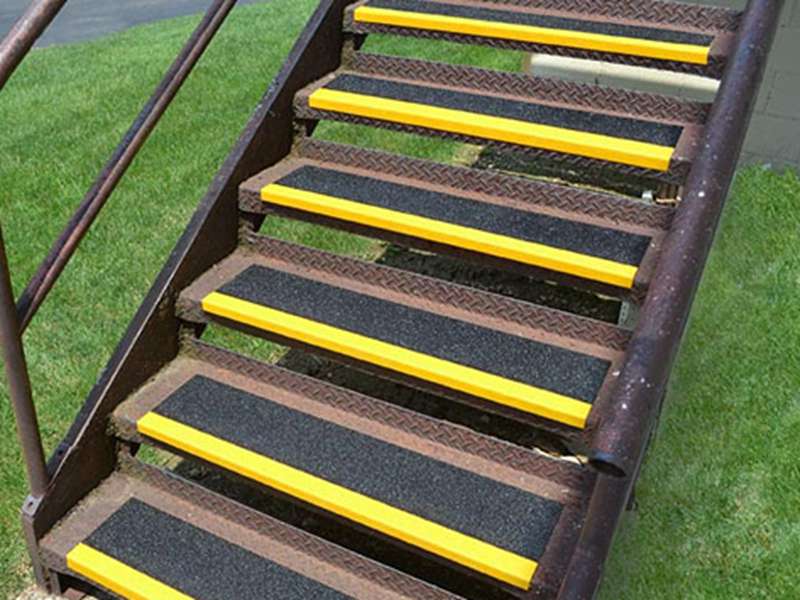
Safety is another pivotal factor where molded fiberglass grating excels. The non-slip surface treatment available with fiberglass grating means that it offers superior traction, reducing the risk of slips and falls in industrial settings. This feature is especially beneficial in environments where liquids, oils, or chemicals might contribute to slip hazards. Moreover, its inherent electrical insulation properties make molded fiberglass grating suitable for use in electrical applications, minimizing the risk of electrical hazards in environments where conductive materials might pose a danger.
molded fiberglass grating
Another key benefit of fiberglass grating is its low maintenance needs. While traditional materials require regular upkeep to ensure they do not deteriorate or corrode, fiberglass grating is virtually maintenance-free once installed. Its resistance to harsh chemicals and environmental wear reduces the need for cleaning and servicing, which can lead to significant cost savings over time.
Sustainability is an increasingly important consideration in today's industrial landscape. Molded fiberglass grating aligns well with sustainable practices due to its long lifespan and the ability to recycle fiberglass materials. Using fiberglass grating can contribute to a company's sustainability goals, as it reduces waste and the overall carbon footprint associated with material production and disposal.
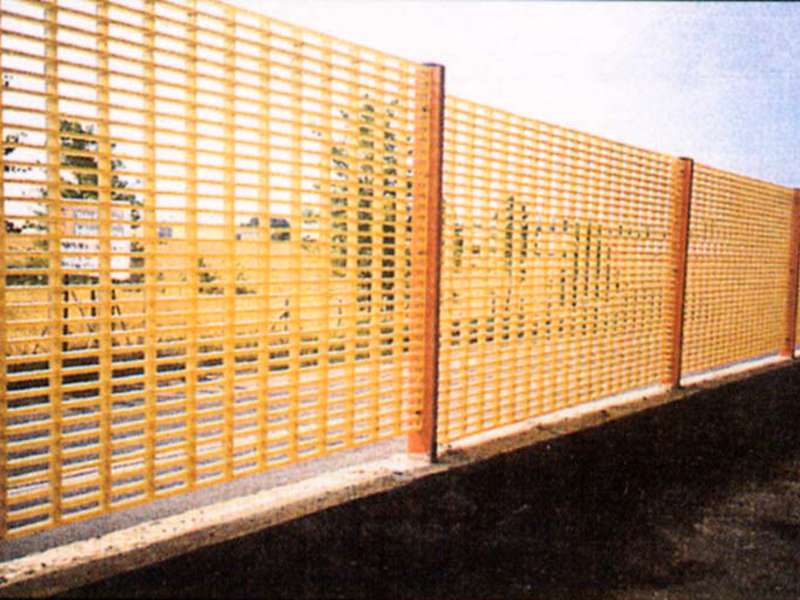
Additionally, molded fiberglass grating is highly customizable. Available in various colors, sizes, and configurations, it can be easily tailored to meet specific project requirements. This versatility allows designers and engineers to incorporate grating into diverse applications, whether for walkways, platforms, or mezzanines, enhancing both functionality and aesthetics.
The versatility of molded fiberglass grating extends beyond industrial use; it is also employed in recreational and commercial settings. From pedestrian walkways in parks to functional elements in shopping malls, molded fiberglass grating offers a modern aesthetic appeal while ensuring safety and durability. Its lightweight nature facilitates creativity in design, enabling architects to push boundaries without compromising structural integrity.
In conclusion, molded fiberglass grating stands out as a superior choice for a variety of industrial and commercial applications. With its significant advantages in corrosion resistance, lightweight properties, safety features, minimal maintenance, and sustainability, it is not surprising that many industries are turning to this innovative material for their grating needs. As industries continue to evolve and demand more efficient, durable, and safe materials, molded fiberglass grating is sure to play a pivotal role in shaping the future of construction and infrastructure.
Latest news
-
Oblate Tanks: Space-Saving, Durable Liquid Storage SolutionsNewsAug.27,2025
-
High-Performance Piping System Solutions for Industry & Commercial UseNewsAug.26,2025
-
Precision Fittings: Durable & Reliable Industrial & Plumbing SolutionsNewsAug.25,2025
-
Practical Steps: Unlock Success with Our Proven GuidesNewsAug.24,2025
-
Transport Tanks: Safe, Durable & Efficient Liquid HaulingNewsAug.23,2025
-
High-Quality Piping Systems for Efficient Flow & DurabilityNewsAug.22,2025