

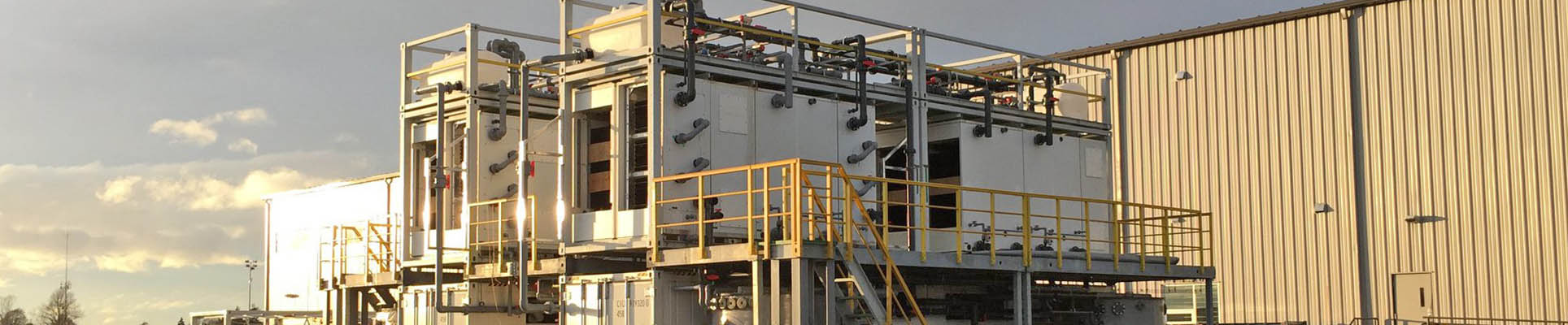

Reliable GRP Field Tanks for Industrial Storage Solutions
Why Choose a GRP Field Tank for Industrial Storage?
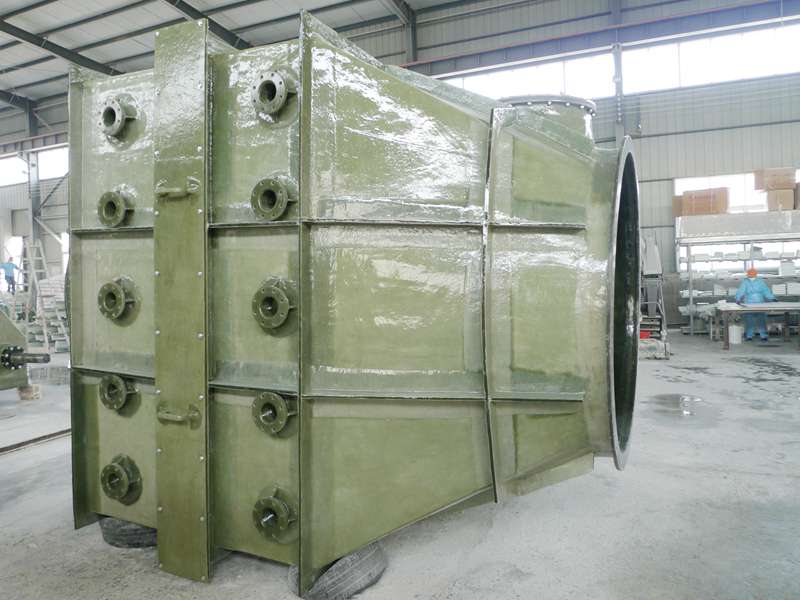
Having spent a fair share of my career working around industrial equipment — especially storage solutions — I can honestly say that GRP field tanks (Glass Reinforced Plastic tanks) have steadily carved out a reputation for robustness and versatility. Frankly, they’re kind of the unsung heroes when it comes to safe, long-lasting fluid containment.
You might ask, what makes these composite tanks so popular? The immediate thought is their resistance to corrosion and weather — which, in real terms, translates to significantly less maintenance and fewer headaches for operators out in the field. I remember one project where a conventional steel tank corroded badly after just two years, while the GRP tank alongside it showed virtually no wear after five. It just felt like a smarter long-term solution.
How GRP Tanks Are Designed and Built
The main ingredient here is the glass fibers embedded within a resin matrix, typically polyester or vinyl ester resin. This combo not only provides mechanical strength — think tensile and impact resistance — but also creates a chemical barrier. So if your fluid is acidic or harsh, the tank can handle it fine.
Manufacturing usually involves filament winding or hand lay-up processes. With filament winding, you get a more uniform structure, which engineers really appreciate for pressure and stress tolerance. For field tanks, custom sizes and shapes are common because, frankly, there’s no one-size-fits-all in this line of work.
| Spec | Typical Value | Notes |
|---|---|---|
| Material | Glass Reinforced Plastic (GRP) | Polyester or Vinyl Ester Resin |
| Capacity Range | 500 L to 50,000 L+ | Custom sizes available |
| Corrosion Resistance | Excellent | Suitable for acids, alkalis |
| Operating Temp | -20°C to 60°C | Depends on resin used |
| Lifespan | 15-25 years | With proper maintenance |
Comparing GRP Field Tank Vendors
When shopping for these tanks, I’ve noticed there’s a decent variety of vendors — each with their own specializations or preferred manufacturing methods. Let’s break down a few key players that folks in the industry often mention:
| Vendor | Production Method | Customization | Lead Time | Comments |
|---|---|---|---|---|
| Jrain FRP | Filament Winding | High | 4-6 weeks | Known for durability & corrosion resistance |
| TankPro Solutions | Hand Lay-up | Medium | 6-8 weeks | Good customization, moderate durability |
| CompositeStorage Inc. | Spray-up | Low | 3-5 weeks | Fast production but less suited for chemical storage |
I suppose it’s fair to say nobody wants to wait forever for their tanks, but when your payload is hazardous or expensive, quality and reliability trump speed. That’s why I often steer clients toward vendors like Jrain FRP, who strike a good balance — their filament-wound tanks are simply built to last.
A Quick Word on Installation and Field Performance
Oddly enough, the installation of GRP field tanks usually causes less disruption than you’d think. The lightweight nature compared to steel means fewer cranes or heavy equipment, and since corrosion isn’t a concern, site prep often involves less costly ground protection. One memorable customer shared how their team had the tank up and running in a day, with minimal fuss.
Naturally, with any installation, checking for leaks and ensuring proper sealing is crucial. Plus, often some external UV protection or paint coating is applied depending on the environment. Over time, these tanks tend to exhibit minimal maintenance requirements — a blessing on any busy industrial site.
If you’re considering a safer, more cost-effective way to store your fluids on-site, and want something that will endure the grit of field conditions for years, a GRP field tank is definitely worth a serious look.
In short: it’s one of those things where choosing the right tank can save you much trouble down the line.
References:
- Composite Materials Handbook, 3rd Edition (NIST Special Publication)
- Industry Journal of Corrosion Resistance, 2022
- Interview with Field Engineers, Industrial Storage Conference 2023

Latest news
-
Industrial High Pressure Fiberglass Pipe Guide and Technical SpecsNewsApr.16,2026
-
Industrial Storage Guide for Fiberglass Chemical TanksNewsApr.09,2026
-
Explore Durable and Customizable Custom Fiberglass Tanks for Your IndustryNewsApr.07,2026
-
Comprehensive Guide to Fiberglass Roof Tanks for Liquid Storage SolutionsNewsApr.04,2026
-
Comprehensive Guide to Durable and Corrosion Resistant Glass Fiber TanksNewsMar.31,2026
-
Comprehensive Guide to Tank Fiberglass Solutions and Their Diverse ApplicationsNewsMar.28,2026