

Rock Drill Rod for MF Bits | Durable Solutions for Mining & Construction
Rock Drill Rods for MF Bits: Why They Matter in Mining and Construction
Rock drill rods for MF bits, suitable for mining and construction, might sound like niche jargon, but they’re actually at the heart of some of the world’s most vital industries. These rods transfer the power and torque from a drill rig to the drill bit, enabling deep penetration into rock and hard materials. As global infrastructure projects multiply and mining demand remains steady, understanding these components can unlock better efficiency, longevity, and safety on-site.
Setting the Scene: Global Importance of Rock Drill Rods
The mining and construction sectors are giant cogs in the global economy. According to the World Bank, mining alone accounted for over $1.4 trillion USD worldwide in 2022. Meanwhile, infrastructure development — roads, tunnels, and buildings — is essential for urban growth. The humble rock drill rod plays a crucial role here, providing the mechanical backbone to drilling operations. However, this essential part often faces extreme wear, costly replacements, and efficiency challenges.
More than just machinery: in mining, faster and more reliable drilling can mean safer operations and less environmental disturbance. In construction, quality rods improve project timelines and reduce costs. So, these rods affect not just machinery but entire livelihoods, communities, and industries on a global scale.
Mini takeaway: Rock drill rods, often overlooked, sit at the nexus of efficiency, safety, and cost-effectiveness in mining and construction worldwide.
What Exactly Are Rock Drill Rods for MF Bits?
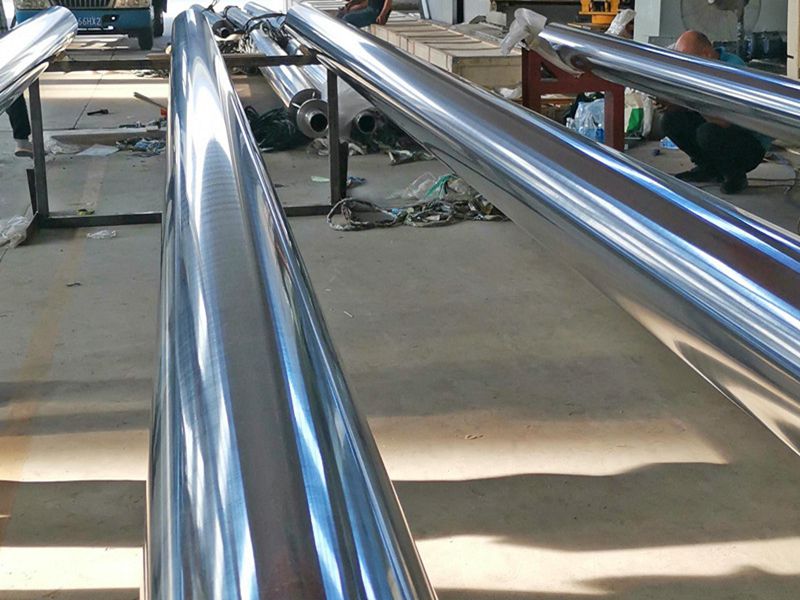
Put simply, these rods are cylindrical steel shafts that connect the drill rig's power to an MF (medium force) bit — designed especially for tougher formations. The “MF bits” are a popular choice due to their balance between aggressive drilling and bit lifespan. The rods must handle heavy axial loads and rotational forces without breaking or bending.
Beyond their role as mechanical connectors, these rods reflect advances in materials science and engineering designed for rugged conditions, from deep mines in Australia to urban tunneling projects in Europe.
rock drill rod for mf bits, suitable for mining and construction are integral in most drilling rigs that require high reliability.
Core Components and Factors to Consider
1. Durability and Material Quality
Steel grade and heat treatment methods influence rod lifespan dramatically. For mining, where rods suffer constant abrasion and shock, premium alloy steels are common. These resist cracking and deformation — and many engineers say this can translate into months more service before replacing parts.
2. Dimensional Tolerances and Compatibility
Drill rods must fit perfectly with MF bits and drill machinery. Tiny mismatches impact torque transfer and can cause premature wear. Thus, precision manufacturing and standardization (ISO and API standards) ensure interchangeability and ease of maintenance.
3. Weight and Handling
Oddly enough, the rod’s weight affects drill rig efficiency. Lighter rods can reduce crew fatigue during assembly and disassembly, speeding operations. However, they still need to be rugged enough to withstand impacts and torsional forces.
4. Corrosion Resistance
Many drill sites expose rods to moisture, chemicals, and temperature extremes. Protective coatings and proper storage reduce rust risks and extend uptime.
5. Cost Efficiency
It’s tempting to buy cheaper rods, but many field experts warn that lifespan and downtime costs often outweigh initial savings.
| Specification | Typical Value | Notes |
|---|---|---|
| Material | Alloy Spring Steel (Grade 4140) | Heat treated for toughness |
| Diameter | 45-51 mm | Standard for MF bits compatibility |
| Length | 3 - 6 meters | Varies by drilling needs |
| Weight | ~25-30 kg per meter | Influences handling ease |
| Coating | Anti-corrosion paint / galvanizing | Extends service life in harsh environments |
Global Applications & Where You See These in Action
Rock drill rods for MF bits are ubiquitous, yet their usage varies by region and sector. Take Australia’s iron ore mines, for example—here, rods are pushed to their limits daily. Or consider massive tunneling projects in Europe, where precision and downtime avoidance make rod quality critical.
In developing regions, rods help drive infrastructure—road-building through mountainous areas or pipeline boreholes in difficult terrain. Organizations involved in construction and mining increasingly prefer high-quality rods for reliable output and worker safety.
And you can always find custom configurations in remote industrial zones — places where replacing worn rods on short notice is complicated and expensive.
rock drill rod for mf bits, suitable for mining and construction have proven to be trusted workhorses worldwide.
Why Investing in Quality Rock Drill Rods Pays Off Long-Term
- Cost Savings: Fewer rod replacements mean lower operating costs and less downtime.
- Safety: Durable rods reduce the likelihood of sudden failure, protecting workers and equipment.
- Environmental Impact: Minimizing downtime and enhancing drilling efficiency reduces fuel consumption and related emissions.
- Reliability: Consistent performance leaves less guesswork during complex projects.
Beyond numbers, there is trust established between the crew and their tools — knowing the rod won’t give up when you need it most is quietly reassuring.
Looking Ahead: Innovations Shaping Rock Drill Rods
The future of rock drill rods involves smarter materials and manufacturing. New composites are under testing for lighter weight and enhanced durability, though steel still dominates. Automation in pipeline inspection and monitoring promises predictive maintenance, reducing surprise failures. Sustainability efforts push for rods made with more recyclable materials and coatings that are greener but effective.
Digital integration—sensors embedded to report stress and temperature in real time—could become common, transforming how crews manage drills.
Challenges & How the Industry is Adapting
No product is perfect. Rods face corrosion, fatigue, and sometimes inconsistent manufacturing quality. Supplier selection is critical, requiring rigorous testing and certifications.
Innovations in surface treatments and alloys have mitigated some issues, while companies increasingly offer rod exchange programs to keep rigs operational with minimum delays.
Oddly enough, the human factor—proper rod handling and maintenance—remains one of the biggest challenges, so training and protocols continue to matter as much as physical product specs.
| Vendor | Material Quality | Price Range | Global Reach | Other Features |
|---|---|---|---|---|
| Alpha Drilling Co. | Premium alloy steel | $$$ | Worldwide | Custom coatings, fast delivery |
| Global Rig Components | Standard steel, tested to ISO | $$ | NA, EU, Asia | Trade warranties, certified batch-test reports |
| JRAIN FRP Solutions | High-grade alloy with FRP composites | $$$ | Global, specialist custom products | Innovative anti-corrosion &wear tech |
Frequently Asked Questions about Rock Drill Rods for MF Bits
1. What makes rock drill rods suitable for MF bits different from others?
Rock drill rods designed for MF bits are specifically engineered to balance strength and flexibility, handling the medium force loads typical of MF bits. They have tighter dimensional tolerances and superior material treatments to ensure they withstand the operational stresses without premature failure.
2. How often should rock drill rods be inspected or replaced?
Routine inspections every few days during heavy use are recommended for wear, cracks, or corrosion. Replacement depends on usage intensity but often occurs after several months or after obvious damage. Proper maintenance can significantly extend rod life.
3. Can these rods be used interchangeably with different drilling rigs?
Typically, yes, as long as the rods comply with standard diameters and threading types compatible with the rig and MF bits. However, always verify specifications to prevent mismatches that could cause downtime or damage.
4. What are the benefits of buying rods with advanced coatings?
Advanced anti-corrosion and wear-resistant coatings help rods last longer in harsh environments by protecting against moisture and abrasion, reducing the frequency of replacements and maintenance.
5. Where can I find reliable suppliers specializing in these rods?
Reputable suppliers like JRAIN FRP Solutions offer high-quality rods with global shipping. Vendor selection should focus on certifications, material quality, and service reliability.
Wrapping It Up: Why Rock Drill Rods Are More Than Just Metal Tubes
It feels like these rods quietly carry the weight of many projects—literally and figuratively. Their design and quality dictate operations’ rhythm and safety, influencing costs and outcomes far beyond the drilling rig. Whether you're mining precious minerals or building the next great tunnel, investing in the right rock drill rod for mf bits, suitable for mining and construction is a strategic decision that pays dividends over time.
For innovative, reliable products tailored to your needs, visit https://www.jrain-frp.com and see how quality makes a real difference underground and above.
References:
1. Wikipedia: Drill Rod
2. World Bank Mining Sector Overview
3. ISO Standards for Drill Rods
Latest news
-
Industrial High Pressure Fiberglass Pipe Guide and Technical SpecsNewsApr.16,2026
-
Industrial Storage Guide for Fiberglass Chemical TanksNewsApr.09,2026
-
Explore Durable and Customizable Custom Fiberglass Tanks for Your IndustryNewsApr.07,2026
-
Comprehensive Guide to Fiberglass Roof Tanks for Liquid Storage SolutionsNewsApr.04,2026
-
Comprehensive Guide to Durable and Corrosion Resistant Glass Fiber TanksNewsMar.31,2026
-
Comprehensive Guide to Tank Fiberglass Solutions and Their Diverse ApplicationsNewsMar.28,2026