

T38 Drill Rod – A Comprehensive Guide to Selecting and Using the Right Rod for Efficient Drilling
Understanding the Importance of T38 Drill Rod: A Comprehensive Guide to Selecting and Using It
If you’re delving into the world of drilling — whether it’s for mineral exploration, construction, or water well development — chances are you’ll encounter the term t38 drill rod sooner rather than later. But why does selecting the right drill rod matter so much globally, and why should you care? Well, the simple answer is that the performance, safety, and efficiency of drilling operations hinge heavily on your choice of rods. Get it right, and you unlock cost savings, durability, and operational success; get it wrong, and you’re facing frustrating downtime, unexpected expenses, and even major safety risks.
This guide unfolds the nuts and bolts of the t38 drill rod, exploring how its specifications and applications affect industries worldwide. From the dusty gold fields of South Africa to the deep ice boreholes of Antarctica, t38 rods play a vital role in powering human progress.
Introduction: The Global Context of T38 Drill Rod Use
Drilling is a foundational technology crucial to many sectors—mining, infrastructure development, environmental sampling—you name it. According to recent global industry reports, the drilling market is expected to surpass $7 billion by 2027, driven largely by expanding infrastructure projects and resource exploration in emerging markets. But behind that hefty number lies a real challenge: how to maintain efficiency and durability in often harsh drilling environments.
The t38 drill rod a comprehensive guide to selecting and using the addresses these challenges by outlining how to choose rods that can withstand high torque, resist corrosion, and adapt to varied geologies. In fact, inconsistent quality or poor selection of drill rods accounts for a significant share of operational failures worldwide. So it’s more than just “equipment” — it’s about enabling consistent, reliable progress.
What Exactly Is a T38 Drill Rod?
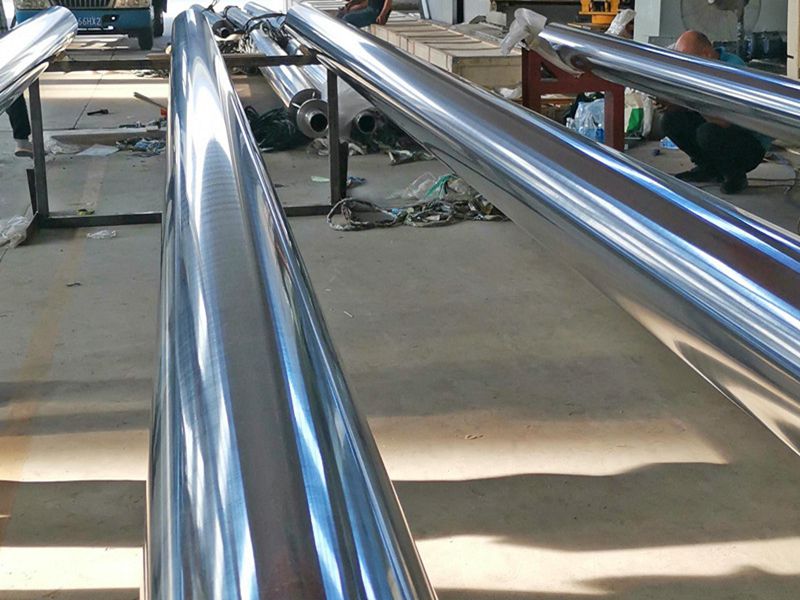
Simply put, a t38 drill rod refers to a standardized class of drill rods designed for rotary and percussion drilling. The “T38” designation comes from particular technical standards indicating dimensions, thread type, and material properties. Essentially, these rods serve as the robust, connecting “spines” that transmit the mechanical force from drill rigs to cutting bits deep underground.
Modern industries depend on them for everything from mineral exploration to water well drilling — even environmental and geotechnical investigations. Because the rods need to be both strong and lightweight, they’re often made with advanced alloys and coatings optimized for wear resistance and ease of handling.
Key Factors to Consider When Selecting a T38 Drill Rod
1. Durability
Durability isn’t just a buzzword here. Many engineers say the choice of steel grade and heat treatment dramatically affects rod lifespan. Given the harsh stresses involved, you want rods that won’t easily chip, crack, or deform. For example, tungsten-infused alloys or nitrided surface treatments often extend service life beyond typical carbon steels.
2. Thread Type and Compatibility
Not all rods are created equal — and neither are their connections. The T38 rods typically feature a standard thread pattern, but you’ll need to ensure your drill rig’s spindle and couplings match perfectly to avoid operational hiccups or costly field replacements.
3. Weight and Handling
It feels like a small detail, but in field operations where rods can be stacked dozens high, the weight per meter impacts labor fatigue and safety. Lightweight but strong composite rods are gaining attention, though metal rods remain the industry standard.
4. Corrosion Resistance
In wet or chemically aggressive environments, rods with special coatings like galvanizing or epoxy layers can make the difference between smooth operations and frequent replacements. This is vital in saltwater or acidic soil drilling.
5. Cost Efficiency
While the upfront price matters, consider the total cost of ownership. Higher-quality rods may cost more initially but reduce downtime, fewer replacements, and overall better ROI.
Mini takeaway: Selecting the right T38 drill rod is a balancing act between durability, compatibility, handling ease, corrosion resistance, and budget.
Global Applications and Use Cases
The versatility of the t38 drill rod shows in its worldwide deployment. In sub-Saharan Africa, miners rely on these rods to explore vast mineral deposits that underpin local economies. In Canada and Russia, exploration companies drill boreholes millions of feet deep, using t38 rods to keep the operation steady through frozen rock layers.
Oddly enough, these rods also serve well beyond mining. Environmental agencies use them for groundwater sampling, while construction firms depend on them for foundation piling and soil stabilization. Even disaster relief agencies turn to them when setting up emergency water well systems in drought-hit regions.
| Parameter | Typical Value | Notes |
|---|---|---|
| Rod Diameter | 38 mm | Standard dimension per API specifications |
| Material | Alloy Steel / Heat-treated | Ensures strength and wear resistance |
| Thread Type | T38 standard (right-hand thread) | Critical for rig and bit compatibility |
| Length | 3 to 6 meters | Varies by operation needs |
| Corrosion Protection | Optional coatings available | Recommended for corrosive environments |
Comparing Leading Vendors: What to Look For
There are many suppliers offering T38 drill rods, but factors like quality control, lead times, and after-sales support vary widely. Here’s a quick head-to-head comparison:
| Vendor | Quality Standards | Lead Time | Warranty | Price Range |
|---|---|---|---|---|
| RodTech Inc. | ISO 9001 certified | 2–3 weeks | 12 months | $$$ |
| DrillMax Supplies | ASTM B117 corrosion tests | 1–2 weeks | 6 months | $$ |
| Global Drill Rods Ltd. | API compliant | 3–4 weeks | 18 months | $$$$ |
Why Choosing the Right T38 Drill Rod Pays Off
Beyond just specifications, a high-quality drill rod translates to fewer emergencies, reduced wear on equipment, and safer working conditions. That's the rational side, but I suppose there’s also an emotional reassurance knowing that your crew won't be stranded underground because of a rod failure. In some remote operations, being stranded can have literally life-or-death consequences.
Eco-conscious companies have also started favoring rods with longer lifespans and recyclable materials, feeding into their sustainability goals. It’s a win-win: better drilling with a smaller environmental footprint.
Future Trends in T38 Drill Rod Technology
The drilling industry is not immune to the wave of digital transformation sweeping the energy and resource sectors. Smart rods embedded with IoT sensors for fatigue and stress monitoring promise better predictive maintenance. Also, development in composite material rods continues to rise, offering lighter weight with comparable strength.
What’s striking is how these innovations dovetail with global imperatives like minimizing environmental disruption and improving worker safety. I wouldn’t be surprised if regulatory bodies start mandating advanced durability testing and traceability for drill rods within the next decade.
Common Challenges and How to Overcome Them
Frankly, one of the biggest hurdles with T38 drill rods is balancing cost with quality. Cheaper rods might look good on paper but can fail mid-operation, causing costly delays. On the other hand, sourcing premium rods often involves longer lead times or availability issues.
One practical solution is engaging vendors who offer both robust quality certifications and local warehousing. Additionally, training staff in proper rod handling and maintenance can stretch rod life considerably. We often overlook these “soft” factors, but they’re crucial in the field.
Frequently Asked Questions About T38 Drill Rod
Q1: What distinguishes T38 drill rods from other types?
A1: T38 rods conform to a specific size and thread standard, ideal for medium-duty rotary drilling. Their robust build and manufacturer standardization make them reliable for a wide range of geological conditions.
Q2: How can I ensure my drill rig is compatible with T38 rods?
A2: Check your rig’s spindle and coupling specs. Most T38 rods use a right-hand, standard thread, but it’s crucial to confirm thread pitch and rod diameter before purchase.
Q3: Are coated T38 drill rods worth the extra cost?
A3: In corrosive environments, coated rods can offer significantly longer lifespans, reducing downtime and replacement frequency—often making them cost-effective long term.
Q4: How frequently should T38 drill rods be inspected or replaced?
A4: Regular inspections after every major drilling cycle are recommended. Look for thread damage, deformation, or surface cracks. Replacement timing varies but generally after 1000m of usage or after any visible damage.
Q5: Can T38 drill rods be recycled?
A5: Yes, most alloy steel materials used can be recycled. Check with your supplier about take-back or recycling programs to minimize waste.
Conclusion: The Long-Term Benefits of Mastering T38 Drill Rod Selection and Use
In the end, understanding and selecting the proper t38 drill rod transforms your drilling operation. You gain enhanced efficiency, lowered costs, and improved safety—all vital no matter where you drill on the planet. So whether you’re outfitting a new rig or replacing legacy equipment, keep these considerations front of mind. For anyone curious to dig deeper, I recommend checking out our in-depth resources and supplier offers at t38 drill rod a comprehensive guide to selecting and using the.
After all, sometimes it’s the “hidden” stuff like drill rods that quietly keep the world turning.
References:
Latest news
-
Industrial High Pressure Fiberglass Pipe Guide and Technical SpecsNewsApr.16,2026
-
Industrial Storage Guide for Fiberglass Chemical TanksNewsApr.09,2026
-
Explore Durable and Customizable Custom Fiberglass Tanks for Your IndustryNewsApr.07,2026
-
Comprehensive Guide to Fiberglass Roof Tanks for Liquid Storage SolutionsNewsApr.04,2026
-
Comprehensive Guide to Durable and Corrosion Resistant Glass Fiber TanksNewsMar.31,2026
-
Comprehensive Guide to Tank Fiberglass Solutions and Their Diverse ApplicationsNewsMar.28,2026