



tank fiberglass
Fiberglass Tanks A Comprehensive Look at Their Applications and Benefits
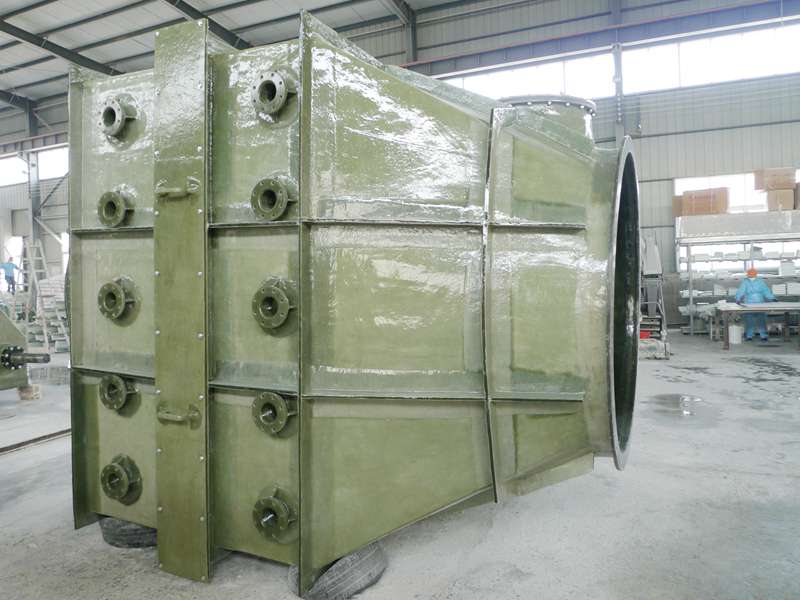
Fiberglass tanks have emerged as a popular choice across various industries, thanks to their unique properties and versatile applications. Made from a combination of glass fibers and resin, these tanks offer numerous advantages over traditional materials, such as steel or concrete. This article will explore the many uses of fiberglass tanks, their benefits, and considerations for potential users.
The Composition and Manufacturing of Fiberglass Tanks
Fiberglass, or fiber-reinforced plastic (FRP), is created by combining glass fibers with a resin binder. This composite material is well known for its strength-to-weight ratio, corrosion resistance, and design flexibility. The manufacturing process typically involves hand lay-up, spray-up, or filament winding techniques, all of which ensure that the fiberglass tanks are durable and structurally sound.
Applications of Fiberglass Tanks
Fiberglass tanks are utilized in a vast array of fields, including
1. Water Storage One of the most common uses of fiberglass tanks is for water storage. They can be found in agricultural settings, municipal water systems, and for residential use. Their resistance to corrosion and UV degradation makes them ideal for long-term outdoor installation.
2. Wastewater Treatment In the wastewater management sector, fiberglass tanks are used to construct clarifiers, aeration basins, and other components of treatment systems. Their non-corrosive nature ensures longevity and reliability in challenging environments.
3. Chemical Storage Industries that handle aggressive chemicals, such as the chemical manufacturing and oil and gas sectors, often opt for fiberglass tanks. Their ability to resist a variety of chemicals, including acids and alkalis, makes them a safer choice compared to metal tanks that may corrode.
4. Food and Beverage Industry Fiberglass tanks can also be found in the food and beverage industry, where they are used for storage and fermentation processes. Their non-toxic nature ensures that the stored products maintain their quality and safety.
5. Fire Protection Systems Certain systems require firefighting water tanks, where fiberglass tanks provide a reliable solution due to their non-corrosive characteristics and ability to hold large volumes of water.
Benefits of Fiberglass Tanks
The advantages of fiberglass tanks are substantial and can be summarized as follows
tank fiberglass
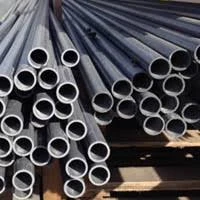
- Corrosion Resistance Unlike metal tanks, fiberglass tanks are impervious to rust and corrosion, making them ideal for environments where chemical exposure is a concern.
- Durability and Strength Fiberglass tanks can withstand extreme temperatures and pressure changes without compromising structural integrity, thereby reducing the risk of leaks.
- Lightweight Being significantly lighter than their metal or concrete counterparts, fiberglass tanks are easier to transport and install, saving time and labor costs.
- Low Maintenance Due to their robustness and resistance to environmental factors, fiberglass tanks require minimal maintenance, resulting in long-term cost savings for users.
- Customizable Fiberglass can be molded into various shapes and sizes, offering customization options that meet specific project requirements.
Considerations for Choosing Fiberglass Tanks
While fiberglass tanks offer many advantages, there are certain considerations to keep in mind
- Initial Cost While they can save money over time due to low maintenance, fiberglass tanks often have a higher initial purchase price compared to other materials.
- UV Protection Although fiberglass is fairly resistant to UV exposure, prolonged exposure can lead to degradation. It may be necessary to apply protective coatings or paint to enhance durability.
- Installation Proper installation is crucial to maximize the lifespan of fiberglass tanks. It’s advisable to work with experienced professionals who understand the specific requirements associated with these tanks.
Conclusion
Fiberglass tanks represent a modern solution to the diverse needs of various industries. Their unique properties—especially their resistance to corrosion, lightweight structure, and low maintenance requirements—make them an excellent choice for many applications. As demand continues to grow, understanding the benefits and considerations surrounding fiberglass tanks will aid users in making informed decisions that meet their storage needs effectively. Whether for water, chemicals, or wastewater, fiberglass tanks stand out as a reliable solution in today’s market.



Latest news
-
Oblate Tanks: Space-Saving, Durable Liquid Storage SolutionsNewsAug.27,2025
-
High-Performance Piping System Solutions for Industry & Commercial UseNewsAug.26,2025
-
Precision Fittings: Durable & Reliable Industrial & Plumbing SolutionsNewsAug.25,2025
-
Practical Steps: Unlock Success with Our Proven GuidesNewsAug.24,2025
-
Transport Tanks: Safe, Durable & Efficient Liquid HaulingNewsAug.23,2025
-
High-Quality Piping Systems for Efficient Flow & DurabilityNewsAug.22,2025