



The Importance of FRP Launder in Modern Water Treatment – Durable Solutions for Cleaner Water
The Importance of FRP Launder in Modern Water Treatment: A Game-Changer We Often Overlook
Water treatment plants are critical to global public health and environmental preservation, yet an unsung hero lurks in their infrastructure—FRP launder systems. If you’re scratching your head, wondering what on earth an FRP launder is and why it matters, you’re not alone. But understanding its importance can unlock a better grip on modern water treatment solutions that millions rely on daily. As water scarcity and pollution escalate globally, the material and design choices in infrastructure make a tangible difference.
In this article, we’ll unpack why the importance of FRP launder in modern water treatment deserves a spotlight, exploring what they are, why industries and communities use them, and how they fit into the future of sustainable water management.
Global Context: Why FRP Launders Matter More Than Ever
According to the UN’s World Water Development Report, over 2 billion people live in countries experiencing high water stress. This staggering figure shows the pressure to improve water treatment infrastructure worldwide, especially in fast-growing urban areas and climate-sensitive regions.
FRP (Fiberglass Reinforced Plastic) launders play a small but vital role. Many water treatment plants face challenges like corrosion, demanding high maintenance costs, and chemical exposure. Traditional materials like steel and concrete corrode or degrade faster, risking safety and efficiency. FRP launders, by contrast, resist these challenges, offering durability and reduced downtime—a boon for plants striving to meet stricter clean water standards.
Counting on more durable components in crucial treatment stages ultimately helps communities receive safer water consistently, even under strain.
Mini takeaway: As water demand climbs worldwide, the durability and reliability of FRP launders make them increasingly critical components in treatment plants.
What Exactly Is an FRP Launder and Why It’s Integral to Water Treatment Systems
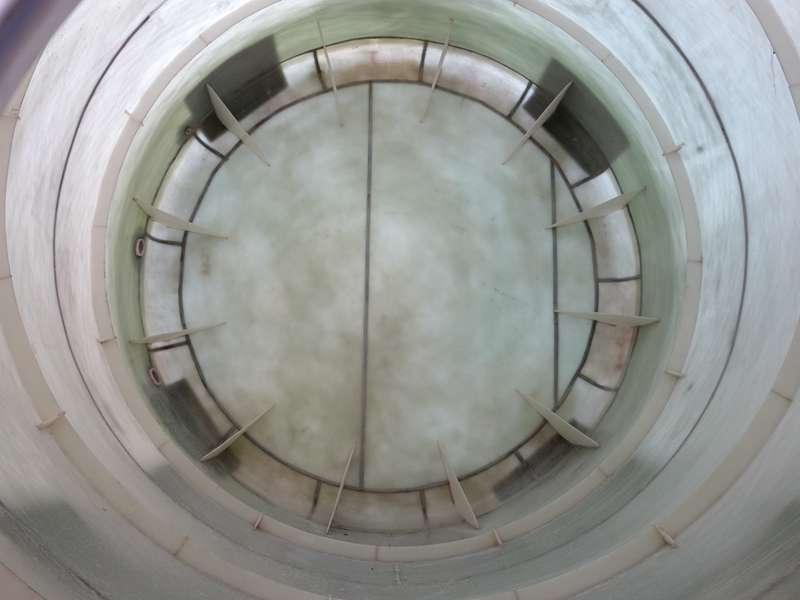
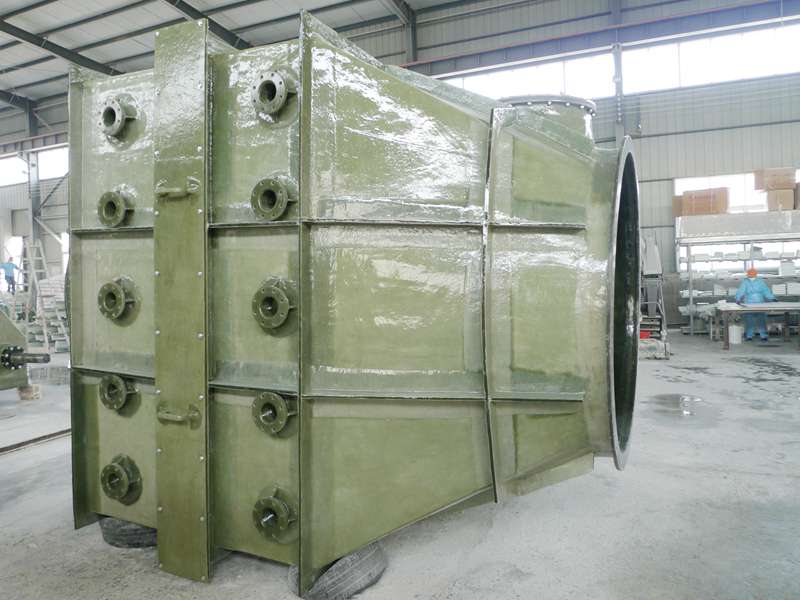
Simply put, a launder is a channel or trough used in water treatment facilities to collect and transport liquids, such as clarified water or sludge, from one stage to another. When made from FRP—Fiberglass Reinforced Plastic—it combines plastic’s resistance to corrosion and chemicals with fiberglass’s strength.
This composite makes FRP launders light, strong, and able to withstand harsh environments without rusting or cracking easily—something conventional metal or concrete launders struggle with.
In real terms, this means fewer repairs, safer plant operations, and more consistent water quality downstream. FRP launders also facilitate easy customization for complex plant layouts, which newer treatment facilities increasingly require.
the importance of frp launder in modern water treatment reflects a wider trend toward embracing composite materials to boost operational efficiency in industry.
Key Factors That Make FRP Launder So Valuable
Durability & Corrosion Resistance
FRP launders don’t corrode in water or resist aggressive chemicals, unlike steel, which can rust or deteriorate within years. This means lower maintenance and longer plant lifespans. For engineers, that reliability feels like a breath of fresh air on complex projects.
Lightweight Yet Strong
Because of their fiberglass core, FRP launders are significantly lighter than equivalent metal troughs. This eases installation costs and allows for modularity—something city engineers admire when retrofitting old plants.
Customization & Scalability
Unlike rigid concrete or bulky steel, FRP launders can be molded into custom profiles suitable for irregular or space-constrained layouts. This flexibility translates into adaptability for expanding systems or emergency repairs.
Cost Efficiency Over Time
Upfront costs might seem slightly higher than metal early on, but when factoring in maintenance, replacement, and downtime, FRP proves economically smarter. Many plant managers tell me they appreciate the quietly reliable performance that avoids surprise expenses.
Where Are FRP Launders Making a Splash Globally?
FRP launders are widespread in water treatment plants from Southeast Asia's urban hubs to Europe’s advanced wastewater facilities—and increasingly in parts of Africa and South America. For example:
- Post-disaster zones: After floods in coastal regions, quick installation of corrosion-resistant launders helped expedite water purification efforts.
- Remote Industrial Zones: Mining operations in deserts rely on FRP launders to transport treated effluents without regular maintenance hassles.
- Municipal Facilities: Many European cities incorporating green infrastructure designs pair FRP launders with digital flow monitoring technologies.
These real-world examples show the diverse settings in which the importance of FRP launder in modern water treatment plays a pivotal role.
Mini takeaway: From disaster relief to high-tech cities, FRP launders give engineers peace of mind and agility.
Advantages & Long-Term Benefits of Using FRP Launders
Beyond simple strength, the sustained social and economic gains are significant:
- Reduced Environmental Impact: Lower material waste and longer product lifecycles contribute to sustainability goals aligned with ISO 14001 standards.
- Improved Worker Safety: Lightweight nature reduces hazards during installation and maintenance.
- Higher Public Trust: Reliable, consistent water quality creates confidence among end-users.
- Innovation Enablement: The material works well with emerging automation tools for flow control and leak detection.
In short, FRP launders save money, time, and often “save the day,” quietly ensuring clean water flows uninterrupted.
Product Specification Table: Typical FRP Launder Characteristics
| Property | Typical Value | Comments |
|---|---|---|
| Material Composition | Fiberglass Reinforced Plastic | Custom resin blends depending on aggressiveness of media |
| Corrosion Resistance | Excellent | Non-metallic; resists acids, bases, oxidizers |
| Weight | 8–15 kg/m | Much lighter than metal equivalents |
| Typical Load Capacity | Up to 500 kg/m² | Depends on support structure |
| Service Life Expected | 20+ years | With minimal maintenance in good conditions |
Vendor Comparison Table for FRP Launders
| Vendor | Product Range | Customization Options | Lead Time | Typical Pricing |
|---|---|---|---|---|
| JRain FRP Solutions | Standard & custom profiles | Highly customizable for aggressive conditions | 4–6 weeks | Mid-range |
| FibroTech Inc. | Limited stock models | Low customization | 2–3 weeks | Lower-end |
| Global Composite Solutions | Wide range; includes specialty resins | Custom engineering support | 6–8 weeks | Premium pricing |
Emerging Trends in FRP Launder Technology
Innovation never sleeps—even with these humble channels. The drive for greener materials is pushing new resin formulas that incorporate recycled fibers and low-VOC binders, reducing environmental footprint. Digital transformation also plays a role: smart sensors embedded along launders monitor flow and detect leaks in real-time, enabling predictive maintenance before a crisis hits.
In some cases, automation melds FRP launder technology into integrated “smart” water treatment networks, optimizing performance dynamically. I suppose this convergence between material science and digital tech is where the true future of water infrastructure lies.
Overcoming Challenges: What’s Holding Some Facilities Back?
One sticking point: initial cost perception. Although FRP launders pay off handsomely in lifespan, some smaller plants hesitate due to upfront expenses or unfamiliarity. Another challenge is ensuring proper installation and support structures to avoid deflection or damage under heavy loads. These issues, however, can be mitigated through proper design partnership and vendor support.
Manufacturers and engineers also stress the importance of tailoring resin and reinforcement types to specific water chemistries, something not all vendors offer in modular form. Broader education and access to trusted manufacturers like JRain FRP help tackle these barriers.
FAQ: Practical Questions About the Importance of FRP Launder in Water Treatment
- How does FRP launder improve water treatment plant efficiency?
- FRP launders resist corrosion and require less maintenance than metal or concrete alternatives, resulting in fewer shutdowns and consistent water flow. This boosts overall plant efficiency by minimizing downtime and repair costs.
- Are FRP launders suitable for harsh chemical environments?
- Absolutely. FRP materials can be customized with specific resins to resist acids, alkalis, and oxidizers commonly found in various treatment stages, making them highly adaptable.
- What is the typical lifespan of an FRP launder system?
- With proper installation and maintenance, FRP launders typically last 20 years or more—often far exceeding traditional materials.
- Can FRP launders be retrofitted into existing plants?
- Yes. Their lightweight and customizable nature allow for easy integration into older plants needing upgrades without major structural changes.
- Do FRP launders support sustainable water treatment goals?
- They do. Longer service life, reduction in material waste, and lower maintenance needs all align with sustainability standards such as ISO 14001.
Wrapping Up: Why We Should Be Thinking More About FRP Launders
It’s funny how something as seemingly mundane as a channel or trough can carry such weight in the world’s water treatment challenges. The importance of FRP launder in modern water treatment is a story of materials meeting modern needs: durable, adaptable, cost-effective, and increasingly green. Whether you’re an engineer, a policymaker, or just a curious mind, it’s worth keeping an eye on these unsung heroes—because clean, safe water depends on them.
For more insights and tailored solutions on FRP launders, visit https://www.jrain-frp.com. After all, reliable water treatment infrastructure isn’t just engineering—it’s a commitment to health and future generations.
References

Latest news
-
Industrial High Pressure Fiberglass Pipe Guide and Technical SpecsNewsApr.16,2026
-
Industrial Storage Guide for Fiberglass Chemical TanksNewsApr.09,2026
-
Explore Durable and Customizable Custom Fiberglass Tanks for Your IndustryNewsApr.07,2026
-
Comprehensive Guide to Fiberglass Roof Tanks for Liquid Storage SolutionsNewsApr.04,2026
-
Comprehensive Guide to Durable and Corrosion Resistant Glass Fiber TanksNewsMar.31,2026
-
Comprehensive Guide to Tank Fiberglass Solutions and Their Diverse ApplicationsNewsMar.28,2026