



What Are FRP Insulated Storage Vessels? Benefits, Uses & Buying Guide
Understanding FRP Insulated Storage Vessels: The Unsung Heroes of Modern Storage
If you've ever thought about the incredible infrastructure behind safely storing hazardous chemicals, liquids, or sensitive materials, then you’ve brushed up against the world of FRP insulated storage vessels. These specialized vessels don’t just sit quietly in industrial lots — they play a crucial role in sectors spanning from chemical manufacturing to disaster relief globally. Why does this matter? Because using the right container isn't just about holding stuff; it’s about safety, efficiency, cost control, and even environmental stewardship.
In a global economy that demands ever-more robust storage solutions for diverse environments, understanding fiberglass reinforced plastic (FRP) insulated storage vessels offers industries and governments alike a chance to optimize operations and improve safety standards. Plus, for anyone involved in industrial design or humanitarian logistics, this knowledge is gold.
The Global Stage: Why FRP Insulated Storage Vessels Matter Now More Than Ever
The global market for insulated storage tanks alone is anticipated to grow steadily over the next decade, with valuations hitting several billion USD by 2030 (source: ISO). From ISO standards for storage safety to regulatory frameworks shaping chemical storage practices worldwide, the push is clear: containers must be durable, safe, and sustainable.
Consider the rise of emerging markets in Asia and Africa, many of which face infrastructural challenges but urgent storage needs — from food supplies to pharmaceuticals. FRP insulated storage vessels have emerged as a reliable, corrosion-resistant solution that marries technical performance with cost effectiveness. They help combat problems like leakage, contamination, and dangerous thermal variations, which in real terms means fewer accidents and better product integrity.
So, What Exactly is an FRP Insulated Storage Vessel?
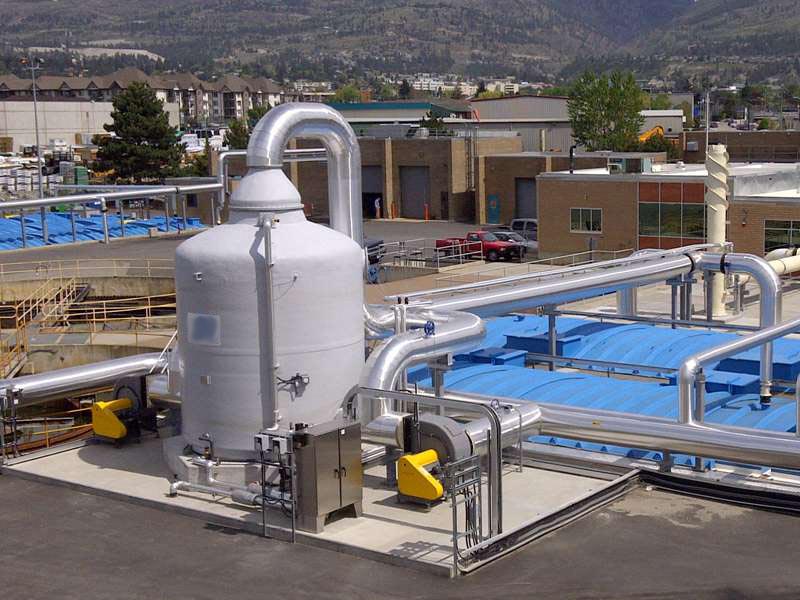
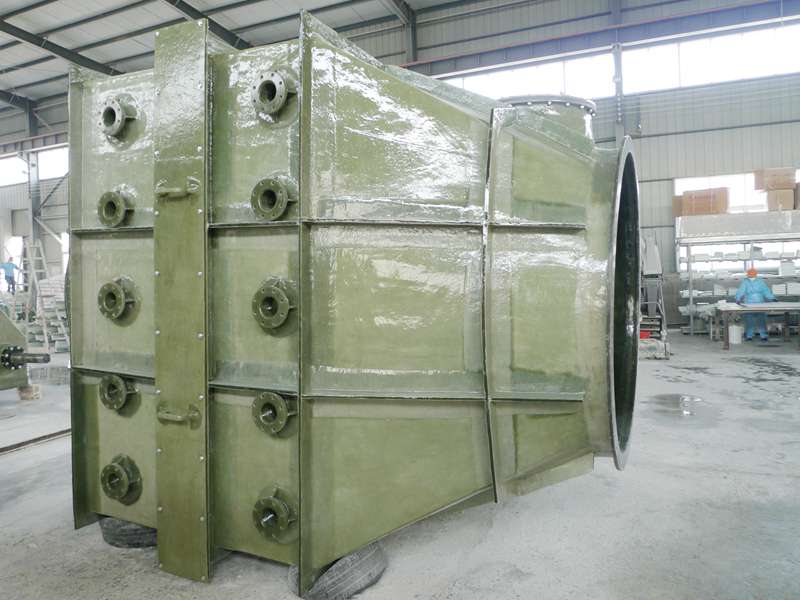
Simply put, an FRP insulated storage vessel is a container made predominantly from fiberglass reinforced plastic that also incorporates an insulation layer to regulate the internal temperature. The “insulated” part means the vessel protects its contents against external temperature fluctuations—vital for chemicals, food, or pharmaceuticals that degrade if not kept within certain ranges.
Think of it as a high-tech thermos bottle, but on a massive industrial scale. These vessels neatly intersect chemistry, engineering, and logistics to safeguard materials at the core of many industries — think oil, wastewater treatment, or even post-disaster water storage for affected communities.
Key Components of FRP Insulated Storage Vessels
- The FRP Layer: Offers corrosion resistance, lightweight strength, and flexibility compared to traditional steel tanks.
- Insulation Material: Commonly polyurethane foam or similar composites – this acts as the thermal barrier.
- Inner Lining: Tailored to the stored material to resist chemical attack or contamination.
- External Coating: Provides UV protection and mechanical robustness.
- Structural Supports: Frames or saddles that ensure safe staking or transport.
Without all these parts working in sync, you’d risk leaks, contamination, or wastage. Frankly, many engineers say the difference in lifespan and safety between an FRP insulated vessel and a conventional steel one can be huge — occasionally, tripling expected service duration.
Practical Applications Around the World
It’s odd but fascinating how versatile FRP insulated storage vessels are. Take the pharmaceutical industry in Europe: maintaining cold chain standards is razor-sharp critical, and these vessels provide safe mid-term storage before distribution. Meanwhile, in remote mining sites in Australia, these units store hazardous liquids far from sensitive environments without worry of rust or spill.
During disaster responses — say, after a massive flood in Southeast Asia — portable FRP insulated tanks can be deployed to store potable water safely, ensuring clean water supply isn’t compromised by heat or contamination. NGOs and governments increasingly prefer this solution over traditional metal tanks, which are heavy and prone to corrosion.
Summary Takeaway:
FRP insulated storage vessels aren’t just “industrial containers.” They’re a global workhorse category helping brands and emergency teams preserve quality, safety, and dignity.
Advantages That Make FRP Insulated Storage Vessels a Wise Investment
- Corrosion and Chemical Resistance: Unlike steel tanks, FRP does not rust, meaning fewer maintenance headaches and longer life.
- Thermal Insulation: Keeping contents stable in harsh environments reduces spoilage and waste.
- Lightweight: Easier transport and installation reduce logistical costs.
- Cost Efficiency: Over lifespan, lower maintenance and failure rates compensate for slightly higher upfront costs.
- Environmental Impact: Increased durability means fewer replacements and less scrap material.
- Safety and Compliance: Higher resistance to leaks and contamination protects workers and ecosystems.
On a human note, this translates to safer workplaces and peace of mind — priceless for operators and communities alike.
Breaking Down the Specs: Typical FRP Insulated Storage Vessel Overview
| Specification | Typical Range | Notes |
|---|---|---|
| Capacity | 1,000 - 50,000 gallons | Custom sizes available |
| Insulation Thickness | 2” – 6” (polyurethane foam) | Varies by climate |
| Material | Fiberglass Reinforced Plastic (FRP) | Corrosion-resistant |
| Operating Temp | -40 °F to 150 °F (-40 °C to 65 °C) | Dependent on insulation specs |
| Lifespan | 20 – 30 years | With routine maintenance |
Vendor Snapshot: Comparing Leading FRP Insulated Storage Vessel Providers
| Vendor | Customization Level | Geographic Reach | Notable Clients |
|---|---|---|---|
| JRain FRP Solutions | High – Custom coatings, sizes, insulation | Global (APAC focus) | Pharma, NGOs, Chemical Plants |
| GlobalTank Inc. | Medium – Standard models plus options | North America, Europe | Energy sector, Food processing |
| SafeStor Technologies | Low – Off-the-shelf only | Asia-Pacific | Manufacturing, Agriculture |
Future Trends Shaping FRP Insulated Storage Vessels
While FRP tanks are already a solid solution, the industry is buzzing about innovations like bio-based resin materials, which would cut down carbon footprints further. Digital monitoring solutions — remote temperature sensors, IoT-enabled leak detection — are becoming standard upgrades. Oddly enough, integrating AI-based predictive maintenance could soon turn a storage vessel into a smart asset that “knows” when it's time for service before anything goes wrong.
Addressing Current Challenges With Innovative Solutions
That said, FRP insulated storage vessels aren’t perfect. I’ve noticed challenges, particularly when it comes to repairing damage in harsh environments, or balancing cost vs. customization. Experts recommend modular design approaches and on-site repair kits to keep downtime low. The industry is moving toward recyclable FRP composites, though currently disposal/recycling remains tricky.
FAQ: Common Questions About FRP Insulated Storage Vessels
- What makes FRP insulated vessels better than traditional steel tanks?
- FRP vessels provide superior corrosion resistance and insulation, reducing maintenance needs and protecting content quality much longer than steel tanks, which rust and degrade over time.
- How long do FRP insulated storage vessels typically last?
- With proper maintenance, they can last 20 to 30 years, sometimes longer depending on environmental conditions and usage.
- Are FRP insulated storage vessels suitable for food-grade applications?
- Yes, when constructed with food-safe liners and materials, these vessels meet strict hygiene and safety standards for food storage.
- Can these vessels be shipped internationally and easily installed?
- Absolutely. Many providers, like JRain FRP, offer modular systems designed for straightforward international transport and on-site assembly.
- What kind of maintenance do FRP insulated storage vessels require?
- Routine inspections for cracks, liner integrity, and insulation condition are typical. Cleaning schedules depend on the stored material but are generally straightforward.
Wrapping It Up: Why You Should Care About FRP Insulated Storage Vessels
While containers might sound mundane, the ripple effect of using quality FRP insulated storage vessels touches safety, sustainability, and operational excellence. They are quietly revolutionizing how industries and humanitarian agencies think about storage—making it smarter, safer, and kinder to the planet.
Curious to explore more? Check out FRP insulated storage vessel solutions tailored for your needs. Because sometimes, the container does matter.
References

Latest news
-
Industrial High Pressure Fiberglass Pipe Guide and Technical SpecsNewsApr.16,2026
-
Industrial Storage Guide for Fiberglass Chemical TanksNewsApr.09,2026
-
Explore Durable and Customizable Custom Fiberglass Tanks for Your IndustryNewsApr.07,2026
-
Comprehensive Guide to Fiberglass Roof Tanks for Liquid Storage SolutionsNewsApr.04,2026
-
Comprehensive Guide to Durable and Corrosion Resistant Glass Fiber TanksNewsMar.31,2026
-
Comprehensive Guide to Tank Fiberglass Solutions and Their Diverse ApplicationsNewsMar.28,2026