



What Is an frp Transport Tank? Durable, Efficient Solutions for Liquid Transport
Understanding the frp transport tank: A Critical Component in Modern Liquid Transport
The concept of an frp transport tank might sound niche, but these specialized containers have quietly reshaped several industries worldwide. Frankly, as global trade and industrial activity expand, transporting liquids safely and efficiently becomes increasingly vital. So, whether it’s chemicals, water, or even food-grade substances, understanding what an frp transport tank offers isn’t just an engineering curiosity—it’s essential in sectors ranging from manufacturing to humanitarian aid.
Mini takeaway: The frp transport tank is a versatile and vital solution in modern logistics and safety.
Global Context: Why frp Transport Tanks Matter Today
Industries worldwide are under pressure to improve safety, reduce emissions, and lower costs—especially when it comes to transporting liquids. According to the International Maritime Organization, over 250 million tons of chemicals and liquids are transported by sea annually, a huge volume spread across pipelines, roadways, and railways. Containers must be reliable and resistant to corrosion, leaks, and contamination.
Here’s the thing: transporting liquids using conventional steel tanks often means hefty weight, frequent maintenance, and corrosion risks, especially for aggressive chemicals or salty seawater. This is where the frp transport tank comes in, leveraging composite materials that can withstand harsh environments without the usual maintenance headaches.
Mini takeaway: FRP transport tanks help solve global challenges related to the safe, sustainable movement of liquids.
What Exactly Is an frp Transport Tank?
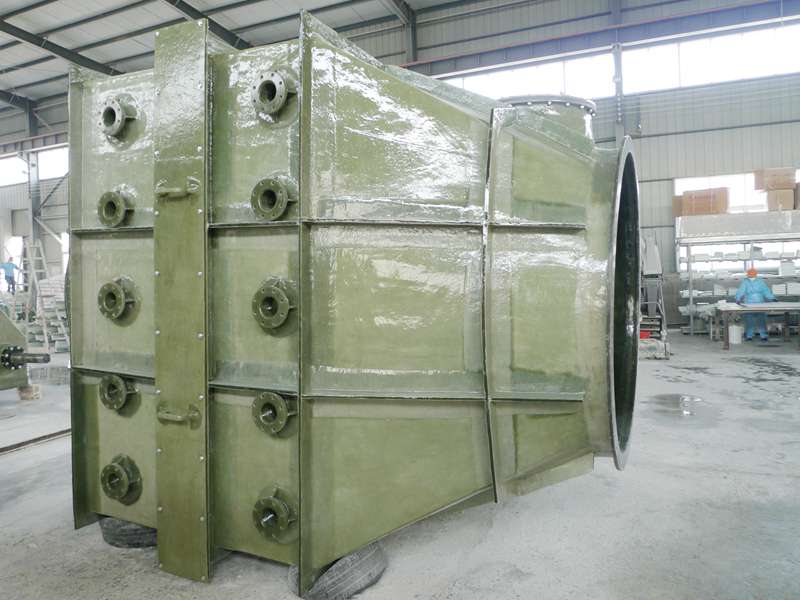
In simple terms, an frp transport tank is a container made primarily of Fiber Reinforced Plastic (FRP)—a lightweight but tough composite material combining plastics with fibers like glass or carbon. These tanks are designed specifically to hold and transport liquids and semi-liquids safely across various modes of transit.
The connection to modern industry is pretty direct: FRP tanks replace traditional metal tanks in applications where corrosion resistance, weight savings, and durability are paramount. These tanks also fulfill humanitarian and environmental needs—say, clean water delivery in disaster zones—where durability and contamination resistance can literally save lives.
Mini takeaway: The frp transport tank is a durable, corrosion-resistant composite container pivotal for safe liquid transport worldwide.
Core Components & Key Factors of frp Transport Tanks
1. Durability
FRP tanks resist corrosion from acids, salts, and chemicals far better than steel. This means longer lifespan and fewer repairs in harsh environments—think coastal areas or chemical plants.
2. Weight Efficiency
Compared to metal tanks, FRP units weigh significantly less, reducing fuel consumption during transport and easing handling at ports or warehouses.
3. Cost-Effectiveness
Lower maintenance and longer service life balance out higher upfront costs, making FRP tanks financially compelling over time.
4. Customizability
FRP tanks can be molded and engineered to fit unique dimensions and specs, such as incorporating internal baffles to reduce liquid sloshing on bumpy roads.
5. Safety and Compliance
These tanks often meet or exceed various international standards (e.g., ISO 9001 for quality management) ensuring safe transport of hazardous liquids.
| Feature | Typical Range | Remarks |
|---|---|---|
| Material | Glass Fiber Reinforced Polyester | Enhanced corrosion resistance |
| Capacity | 5,000 to 50,000 liters | Custom sizes available |
| Wall Thickness | 15-25 mm | Depends on pressure rating |
| Maximum Working Pressure | up to 1.0 bar | Suitable for atmospheric pressure transport |
Global Applications & Use Cases
Oddly enough, you’ll find frp transport tanks playing a vital role from bustling chemical plants in Europe to remote water supply projects in Africa. For instance:
- Post-disaster relief: Organizations use these tanks to safely transport potable water and sanitation chemicals to disaster-hit areas.
- Industrial chemical transport: FRP tanks are preferred for transporting corrosive substances due to their non-reactivity.
- Food and beverage: Certain food-grade FRP tanks help move liquids like fruit juices without contamination risks.
- Remote mining sites: Lightweight transport tanks reduce logistical burdens in challenging terrains.
The diversity of these applications reflects the material’s adaptability and rising global demand.
Mini takeaway: From disaster zones to factories, frp transport tanks support essential liquid logistics worldwide.
Advantages & Long-Term Value
The benefits stack up logically and emotionally. Beyond the obvious durability and cost savings, these tanks promote safety by preventing leaks, which protects ecosystems and human communities. They embody innovation, showing how composite materials can transform classic transportation challenges.
For operators, the reliability means less downtime and fewer emergency replacements—an emotional relief in high-stakes environments. There’s also something empowering about sustainable choices, especially with growing environmental regulations pushing industries toward greener solutions.
Future Trends & Innovations
Looking ahead, the trend is clear: greener, smarter frp transport tanks. Manufacturers are experimenting with bio-based resins to lower environmental footprints and integrating sensors for real-time monitoring of tank integrity during transport—prompting preventive maintenance.
Automation of loading and unloading processes combined with digital tracking could soon make supply chains even more efficient and transparent.
Challenges & Solutions
Not everything’s perfect. One challenge is the initial cost production of FRP tanks compared to conventional steel. Also, repair requires specialized skills, which may not be readily available everywhere.
Nevertheless, innovative training programs and modular designs that simplify field repairs are gaining traction. Additionally, hybrid solutions combining metal frames with FRP linings offer interesting compromises.
| Company | Product Range | Notable Features | Global Reach | Price Range |
|---|---|---|---|---|
| Jrain FRP | 5k-30k liters | Custom engineering, ISO 9001 certified | Asia, Africa, Middle East | Mid-range |
| Fiberglass Tech Ltd. | 1k-50k liters | Advanced resin systems | Global | High-end |
| Composite Solutions Co. | 10k-40k liters | Eco-friendly resins, modular design | Europe, North America | Mid to high |
FAQ: Frequently Asked Questions About frp Transport Tanks
- Q1: What liquids can frp transport tanks safely carry?
- They’re suitable for a wide range of liquids including chemicals, potable water, food-grade liquids, and certain corrosive fluids. However, compatibility with highly aggressive substances should be verified with suppliers.
- Q2: How long does a typical frp transport tank last?
- With proper maintenance, an frp tank can last 15 to 25 years, thanks to its resistance to corrosion and fatigue.
- Q3: Are frp transport tanks environmentally friendly?
- They contribute to sustainability through lighter weight (saving fuel) and longer service life. Emerging bio-resins are making them even greener.
- Q4: Can frp transport tanks be customized for specific transport modes?
- Yes! They can be tailored for truck, rail, or ship transport with features like brackets, baffles, or specialized coatings.
- Q5: How do I ensure compliance with international transport regulations?
- Look for tanks certified under ISO 9001 and other relevant maritime or road transport standards; vendors usually provide documentation and testing reports.
Conclusion: Why frp Transport Tanks Are the Future of Liquid Logistics
In real terms, the frp transport tank stands at the intersection of innovation, practicality, and sustainability. Its lightweight, corrosion-resistant nature makes it a smart investment for industries and humanitarian projects alike. If you’re involved in any field requiring safe, efficient liquid transport, it’s worth a closer look. For detailed specs and reliable supply, visit Jrain FRP—they’re proving consistently that quality and customization options in this space are top-tier.
So, while it might seem like just another tank, don’t underestimate the role frp technology is playing in keeping global logistics flowing smoothly and safely.
Mini takeaway: Frp transport tanks are not just containers; they’re enablers of safer, more sustainable transport worldwide.
Reference list:
1. International Maritime Organization (IMO).
2. ISO 9001 Quality Management Standards.
3. Wikipedia, Composite Material - Link.


Latest news
-
Industrial High Pressure Fiberglass Pipe Guide and Technical SpecsNewsApr.16,2026
-
Industrial Storage Guide for Fiberglass Chemical TanksNewsApr.09,2026
-
Explore Durable and Customizable Custom Fiberglass Tanks for Your IndustryNewsApr.07,2026
-
Comprehensive Guide to Fiberglass Roof Tanks for Liquid Storage SolutionsNewsApr.04,2026
-
Comprehensive Guide to Durable and Corrosion Resistant Glass Fiber TanksNewsMar.31,2026
-
Comprehensive Guide to Tank Fiberglass Solutions and Their Diverse ApplicationsNewsMar.28,2026