



What is FRP Flange? Definition, Benefits, and Global Applications Explained
Understanding the FRP Flange: Vital Component for Modern Industry
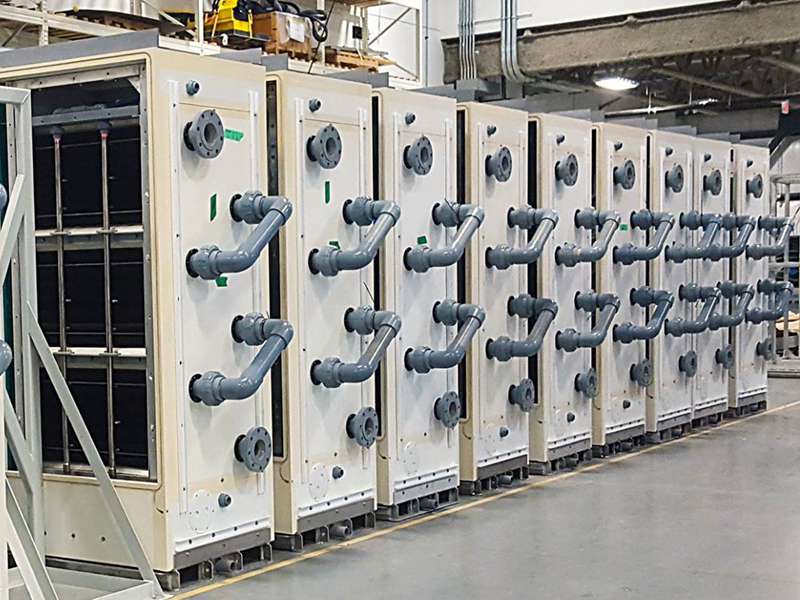
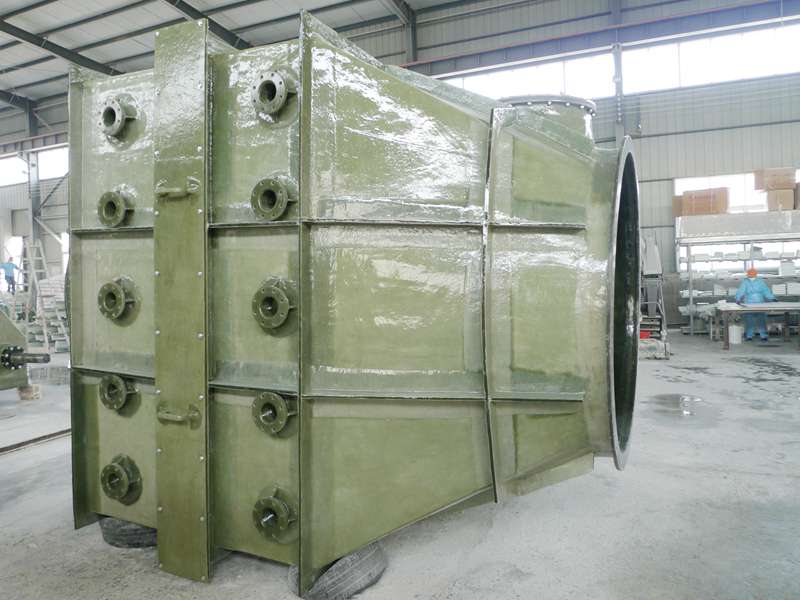
When you hear the term FRP flange, it probably doesn't spark instant recognition unless you're deep into piping, construction, or composite materials. But frankly, this component plays an outsized role in multiple industries worldwide. At its core, an FRP flange is a connector made from fiber-reinforced plastic, designed to join pipes, valves, or equipment with a mix of strength, corrosion resistance, and lightweight properties. Why does this matter globally? Because with increasing environmental challenges and industrial demand, durable and sustainable materials like FRP are increasingly essential to infrastructure resilience and longevity. Understanding FRP flanges means understanding a modern solution to enduring engineering problems—combining innovation with practicality.
Global Context: Why FRP Flanges Matter Today
The use of composite materials like fiber-reinforced plastics has seen steady growth in global industrial markets. According to ISO standards and recent global manufacturing reports, composites represent a $90 billion market as of 2023, and their applications are only broadening. FRP flanges are particularly relevant in sectors facing harsh environments where metal flanges traditionally fail: chemical plants, offshore platforms, water treatment, and even humanitarian infrastructure. Conventional metal parts corrode or weigh too much; FRP flanges reduce maintenance costs, minimize downtime, and provide corrosion resistance critical to sustainability goals. These factors tie into industry demands to enhance safety, reduce carbon footprints, and lower lifecycle costs.
What Is an FRP Flange?
Put simply, an FRP flange is a type of flange fabricated from fiber-reinforced plastic composites. Unlike typical steel flanges, FRP flanges integrate a matrix of resin reinforced by fibers such as glass or carbon, resulting in a strong, lightweight component resistant to corrosion and chemical attack. This connection piece links pipes or sections of equipment, ensuring a tight, leak-proof seal. The use of FRP flanges is not just a technical choice—it reflects a broader shift toward advanced materials engineered for resilience and adaptability. In humanitarian or remote industrial settings, for example, their ease of transport and installation makes them invaluable.
Key Factors of FRP Flanges
Durability and Corrosion Resistance
Unlike metal counterparts that can corrode in harsh environments, FRP flanges maintain integrity even when exposed to acids, salts, or moisture. This makes them ideal for marine, chemical, and wastewater treatment applications.
Lightweight Design
FRP’s lightweight nature reduces overall system weight, which helps in structural load calculations and ease of installation, especially valuable in remote or confined areas.
Cost Efficiency Over Time
Though upfront costs may be slightly higher, FRP flanges significantly reduce maintenance and replacement costs—translating to cost savings over long equipment life spans.
Customization and Compatibility
They can be manufactured to meet various standards (DIN, ANSI, JIS) and customized to fit different pipe sizes and pressure requirements, offering flexibility for diverse industrial needs.
Thermal and Electrical Insulation
Unlike metals, FRP flanges offer natural insulation properties, which are important in protecting systems from temperature extremes and electrical conductivity issues.
FRP Flange Product Specifications
| Specification | Details |
|---|---|
| Material | Glass Fiber Reinforced Polyester (GFRP) |
| Pressure Rating | PN10 to PN25 (up to 25 bar) |
| Temperature Range | -40°C to +120°C |
| Standards Compliance | ANSI B16.5, DIN EN 1092-1, JIS B2220 |
| Weight | ~35% lighter than equivalent steel flange |
Global Applications and Use Cases of FRP Flanges
In real terms, FRP flanges shine across a variety of sectors and geographies. For example, in Southeast Asia’s expanding wastewater infrastructure, these flanges are crucial to pipelines facing high salinity and corrosive waste. Offshore oil rigs in the North Sea depend on FRP components for weight savings and corrosion resistance, improving safety and efficiency. Even in humanitarian contexts—such as post-tsunami coastal rebuilding—FRP flanges help establish resilient water and sewage systems quickly and reliably, which can dramatically affect local health outcomes.
- Chemical Industry: Handling aggressive fluids without corrosion.
- Water Treatment Plants: Longer life piping reduces costly service interruptions.
- Renewable Energy Projects: Lightweight connections in wind and solar installations.
- Disaster Relief Infrastructure: Quick-deploy, corrosion-resistant water supply lines.
Many engineers I spoke with note that the adaptability of FRP flanges to unexpected field conditions often makes them the go-to solution, especially in places where maintenance crews are sparse or equipment replacement is difficult.
Comparing Major FRP Flange Vendors
| Vendor | Material Quality | Customization Options | Price Range | Global Reach |
|---|---|---|---|---|
| Jrain FRP | High-grade GFRP, certified | Extensive customization | Mid to high | Asia, Europe, Americas |
| FiberFlange Inc. | Standard GFRP quality | Limited sizes | Lower | North America, Europe |
| Composite Solutions Ltd. | Premium carbon fiber options | High customization | High | Global |
Advantages and Long-Term Benefits
I suppose the biggest advantage of FRP flange technology is a mixture of tangible and intangible benefits. Tangibly, they reduce corrosion-related failures, cut maintenance cycles, and lighten the overall system—helping engineers avoid costly downtime. Intangibly, their use reflects a trust in innovation and a commitment to sustainability. Systems that employ FRP components tend to have a smaller carbon footprint during their life cycle because repairs and replacements are less frequent, and manufacturing FRP emits less CO2 than steel fabrication.
Plus, FRP’s electrical insulation properties enhance safety in sensitive environments. On an emotional level, using such resilient materials can give engineers, managers, and communities alike peace of mind regarding safety and durability—integral when infrastructure failures can impact lives severely.
Emerging Trends and Innovations
Looking ahead, the world of FRP flanges is evolving. New resins with even higher temperature tolerances and improved fire resistance are coming to market. There's also a push toward bio-based resins, which could make FRP flanges even more sustainable by reducing dependency on petrochemical polymers.
Digitization will play a role too: manufacturers are adopting 3D printing and robotics for precision production and custom orders, reducing waste and improving performance qualities. These innovations align with wider industrial goals like green energy integration and circular economy models. Oddly enough, what started as a niche composite solution now sits at the convergence of industry 4.0 and sustainability imperatives.
Challenges and How Experts Are Overcoming Them
Of course, FRP flanges aren’t without challenges. Sometimes engineers note issues with long-term creep under heavy loads or UV degradation if not properly coated. Additionally, standardization across regions sometimes lags behind manufacturing advances, complicating global procurement.
Yet industry leaders are working on enhanced coatings, improved fiber architectures, and better joint design practices. Plus, international cooperation on standards (like ongoing ISO revisions) helps ensure consistent quality and compatibility worldwide. The solution often lies in combining good design, proper installation, and choosing trusted vendors—remember those tables above? They matter.
FAQ: Common Questions About FRP Flanges
- What are the main advantages of FRP flanges over traditional metal flanges?
- FRP flanges offer superior corrosion resistance, are lighter in weight, require less maintenance, and provide excellent chemical resistance, making them ideal for harsh or corrosive environments.
- Can FRP flanges handle high pressure and temperature?
- Yes, FRP flanges typically handle pressures up to 25 bar and temperatures ranging from -40°C to 120°C, depending on resin type and fiber composition.
- Are FRP flanges customizable to fit non-standard applications?
- Absolutely. Most manufacturers provide bespoke sizing and designs conforming to different standards and project requirements.
- How do FRP flanges contribute to sustainable infrastructure?
- They offer longer lifespans with less corrosion damage, reducing replacement frequency and waste, and often incorporate recyclable or bio-based materials.
- Is it difficult to install FRP flanges in remote locations?
- Not really. Their lightweight nature simplifies transportation and handling; plus, they often come with pre-drilled bolt holes and compatible fittings, streamlining assembly onsite.
Conclusion: Why FRP Flanges Are a Smart Investment
To wrap it up, FRP flanges represent a pragmatic blend of engineering science and sustainability ethos. They solve age-old challenges of corrosion and weight with modern materials and thoughtfulness toward future demands. Whether you're in chemical processing, infrastructure development, or humanitarian engineering, understanding and incorporating FRP flanges can pay dividends in reliability, cost savings, and environmental impact.
If you’d like to learn more, explore detailed specs, or get in touch with trusted manufacturers, visit frp flange experts at Jrain FRP.
Mini takeaway: FRP flanges are more than connectors—they are a keystone in building a sustainable and durable industrial future.
References:


Latest news
-
Industrial High Pressure Fiberglass Pipe Guide and Technical SpecsNewsApr.16,2026
-
Industrial Storage Guide for Fiberglass Chemical TanksNewsApr.09,2026
-
Explore Durable and Customizable Custom Fiberglass Tanks for Your IndustryNewsApr.07,2026
-
Comprehensive Guide to Fiberglass Roof Tanks for Liquid Storage SolutionsNewsApr.04,2026
-
Comprehensive Guide to Durable and Corrosion Resistant Glass Fiber TanksNewsMar.31,2026
-
Comprehensive Guide to Tank Fiberglass Solutions and Their Diverse ApplicationsNewsMar.28,2026