



What is FRP Food Grade Equipment? Global Insights & Benefits for the Food Industry
Understanding FRP Food Grade Equipment: Essentials for a Safer Food Industry
You might have heard of FRP food grade equipment tossed around in conversations about food safety or manufacturing facilities, but what exactly does it mean—and why is it suddenly so important on a global scale? Frankly, this topic matters because as the world grows ever more connected and food supply chains stretch across continents, ensuring hygienic, durable, and chemical-resistant equipment is not just a luxury—it’s a necessity. From improving shelf life to avoiding contamination, understanding and implementing this technology can literally save lives and resources.
Global Context: Why FRP Food Grade Equipment Matters Today
Globally, the food industry is under immense pressure to maintain quality amidst rising demand and increasing regulatory scrutiny. According to the International Organization for Standardization (ISO), food safety standards have never been more rigorous, pushing manufacturers to innovate continuously. Plus, the UN Food and Agriculture Organization highlights that foodborne illnesses cause roughly 600 million cases worldwide annually. Equipment made from fiber-reinforced plastic (FRP), designed specifically with food-grade standards, helps address these challenges by minimizing bacterial growth and corrosion, which many traditional materials struggle with.
Oddly enough, regions with burgeoning food processing industries—like Southeast Asia and parts of Africa—are rapidly adopting FRP food grade equipment to protect both consumers and workers. It’s also common in humanitarian efforts, where safe food storage and processing can be a matter of survival.
What Is FRP Food Grade Equipment?
In simple terms, FRP food grade equipment refers to tools, containers, and apparatus used in food processing made from fiber-reinforced plastic that meet stringent food safety standards. These items are chemically inert, corrosion-resistant, and easy to clean, making them ideal for handling, storing, or processing food products.
This technology ties directly into both modern industrial requirements—where contamination control is non-negotiable—and humanitarian needs, especially in places where sanitation infrastructure is limited but demand for safe food storage is critical.
Key Components of FRP Food Grade Equipment
Durability
FRP materials boast impressive strength-to-weight ratios, resisting cracking, corrosion, and wear over long periods. This translates to equipment that lasts longer under tough operational stresses, reducing downtime and replacement costs.
Hygienic Design
These items are usually non-porous and smooth, which discourages bacteria adherence and makes cleaning simpler—a huge deal in food-related sectors where contamination spells trouble.
Chemical Resistance
Given that food processing often involves acids, alkalis, and cleaning agents, FRP stands out because it resists chemical breakdown better than metals or untreated plastics.
Cost Efficiency
While initially more expensive than some alternatives, the reduced maintenance and long lifespan make FRP food grade equipment a smart investment in the medium to long term.
Customization
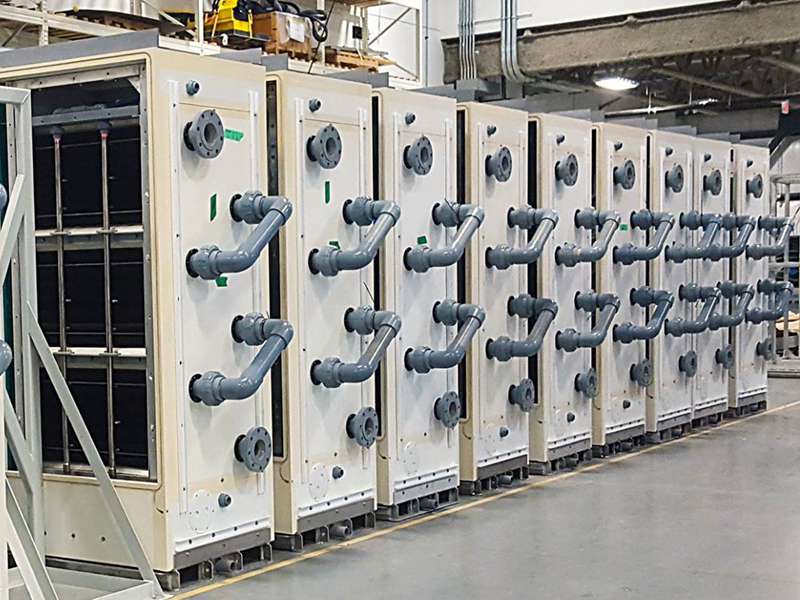
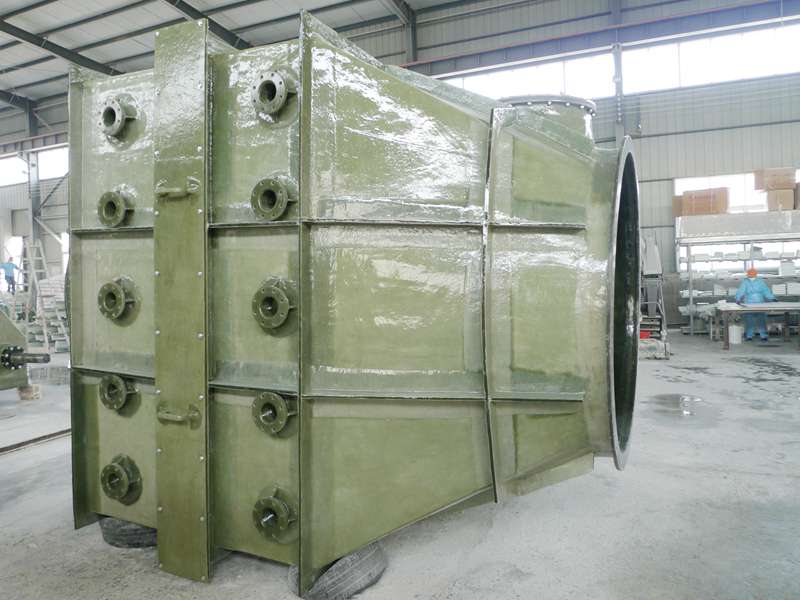
Manufacturers can tailor products to specific food industry needs, whether it's large storage tanks or intricate piping systems, matching exact hygiene regulations and operational flows.
Typical Specifications of FRP Food Grade Equipment
| Specification | Typical Value | Notes |
|---|---|---|
| Material Composition | Glass fiber + Food-grade resin | Polyester or vinyl ester common |
| Surface Finish | Smooth, non-porous | Ensures hygiene and easy cleaning |
| Temperature Range | -40°C to 120°C | Suitable for most processing needs |
| Certification | FDA & USDA compliant | Validates food safety |
| Lifespan | 10–20 years | Depends on maintenance |
Mini takeaway: The unique properties of FRP food grade equipment make it a versatile and reliable cornerstone of modern hygienic food processing.
Global Applications & Use Cases
- Food Processing Plants: Used extensively in tanks, pipes, and containers due to its sanitary properties.
- Cold Storage & Logistics: Equipment for handling perishables, ensuring minimal contamination risk during transit.
- Humanitarian Relief: In post-disaster zones, FRP tanks and storage solutions help supply safe drinking water and food safely.
- Beverage Industry: FRP vessels are popular for breweries and dairy production thanks to chemical resistance and ease of cleaning.
For example, in the remote industrial food hubs of South America, companies rely on FRP food grade piping systems to maintain product purity in spite of high humidity and corrosive environments. It’s a bit like having equipment you can trust—even when everything around you tries to work against it.
Vendor Comparison: Leading FRP Food Grade Equipment Suppliers
| Vendor | Certification | Customization Options | Typical Applications | Price Range |
|---|---|---|---|---|
| JRain FRP | FDA, ISO 22000 | High | Food tanks, piping, sanitary surfaces | $$$ |
| FiberTech Solutions | USDA Approved | Medium | Storage tanks, modular piping systems | $$ |
| PureForm Industries | ISO 22000, HACCP | High | Customized sanitary solutions | $$$$ |
Mini takeaway: Choosing the right supplier balances certification rigor, customization, and budget — for best results, always align with your operational needs.
Advantages & Long-Term Value of FRP Food Grade Equipment
There’s a lot on the line when it comes to food safety, and I suppose that’s why the reliability of FRP stands out. You get equipment that’s not only super durable but also enhances safety by minimizing contamination risks. The corrosion resistance means less downtime and maintenance stress, which, in real terms, means fewer production interruptions.
Beyond logic, there's a sort of peace of mind knowing that equipment meets regulatory standards—FDA, USDA, ISO 22000, and more—which creates trust with consumers and regulators alike. Socially, this underscores a commitment to health and innovation. And if sustainability is your concern, modern FRP formulations increasingly incorporate eco-friendly resins and recyclable components.
Future Trends & Innovations
The future looks promising. Innovations like bio-based resin composites, enhanced antimicrobial coatings, and integration with IoT sensors for real-time sanitation monitoring are all on the horizon. FRP food grade products are beginning to intersect with digital transformation, allowing automated cleaning systems and predictive maintenance.
Sustainability also pushes the envelope: greener manufacturing processes and recyclable FRP materials could reshape how the industry impacts the planet.
Challenges & Solutions in Using FRP Food Grade Equipment
Of course, it's not all perfect. For one, the initial investment can be higher than traditional steel or plastic options, which sometimes feels like a barrier for smaller operators. Additionally, the quality of FRP varies wildly depending on manufacturing nuances—poorly made equipment may crack or degrade prematurely.
Experts recommend partnering with certified vendors to ensure compliance and avoid hidden costs. Also, ongoing training on maintenance and handling extends the lifespan markedly. Emerging innovations (like easier-to-repair FRP composites) are addressing these pain points as well.
FAQ: Frequently Asked Questions About FRP Food Grade Equipment
- Q: How does FRP food grade equipment improve food safety compared to stainless steel?
- FRP offers superior resistance to corrosion and chemical attacks, meaning fewer surface cracks and crevices where bacteria can grow. Its smooth, non-porous surface also makes cleaning more effective, reducing contamination risk. While stainless steel is durable, it can corrode under some conditions, especially with acidic food products.
- Q: Is FRP food grade equipment suitable for high-temperature food processing?
- Generally yes. Most FRP equipment is rated for temperatures between -40°C and 120°C, sufficient for many food processing operations. For extremely high temperatures, special thermoset resins or alternative materials may be necessary.
- Q: Can FRP food grade equipment be customized to fit unique processing needs?
- Absolutely. One of FRP’s strengths lies in its flexibility for customization—whether tanks, pipelines, or tanks with integrated fittings—allowing manufacturers to optimize hygiene and efficiency tailored to their specific processes.
- Q: What maintenance does FRP equipment require in food processing plants?
- Regular cleaning is essential, often with mild detergents compatible with food standards. Inspections for surface damage or leaks help catch early wear signs. Since FRP resists corrosion, maintenance is generally less intensive compared to metals.
- Q: How can international food processors procure certified FRP food grade equipment?
- Established vendors like JRain FRP food grade equipment offer global shipping and certification documentation to ensure regulatory compliance. Working through authorized distributors or consulting export specialists often streamlines the process.
Conclusion & Call to Action
In sum, FRP food grade equipment is more than just a material choice—it’s a strategic investment in safety, durability, and operational efficiency that aligns with modern food industry demands. It protects consumers, supports regulatory compliance, and paves the way for innovation and sustainability. If your business values these long-term benefits, exploring high-quality FRP equipment makes a lot of sense—frankly, it feels like a no-brainer.
Interested in learning more or upgrading your existing systems? Visit https://www.jrain-frp.com to explore premium, certified FRP food grade equipment tailored to your needs.
Reflecting on this journey, one appreciates not only the technical prowess behind FRP food grade equipment but also its quiet role in safeguarding global food security—one fiber at a time.
References
Latest news
-
Industrial High Pressure Fiberglass Pipe Guide and Technical SpecsNewsApr.16,2026
-
Industrial Storage Guide for Fiberglass Chemical TanksNewsApr.09,2026
-
Explore Durable and Customizable Custom Fiberglass Tanks for Your IndustryNewsApr.07,2026
-
Comprehensive Guide to Fiberglass Roof Tanks for Liquid Storage SolutionsNewsApr.04,2026
-
Comprehensive Guide to Durable and Corrosion Resistant Glass Fiber TanksNewsMar.31,2026
-
Comprehensive Guide to Tank Fiberglass Solutions and Their Diverse ApplicationsNewsMar.28,2026