

What is FRP Grating? Global Applications, Benefits & Future Trends
Understanding FRP Grating: Durable Solutions for Modern Industry and Beyond
When you first hear frp grating, it might sound like some technical jargon reserved for engineers and industrial designers. But in reality, these versatile composite panels are quietly revolutionizing infrastructure, manufacturing, and even disaster relief operations around the world. Why does this matter so much on a global scale? Well, durability, safety, and sustainability are becoming non-negotiables — whether you’re building a chemical plant in Texas, setting up walkways in a flood-prone region, or outfitting remote mining operations in Australia. Understanding the benefits of FRP grating helps industries and communities choose smarter, longer-lasting materials that require less maintenance and mitigate corrosion risks.
Introduction: The Growing Importance of FRP Grating Globally
FRP, or Fiber Reinforced Polymer, grating has seen a notable surge in global demand, especially in industries where traditional steel or wood grating simply doesn’t cut it. According to reports by the International Standards Organization (ISO 178) and various industry bodies, corrosion-related failures cost industries billions annually in replacements and downtime. Oddly enough, many facilities still rely on older materials that degrade rapidly in harsh environments — saltwater exposure, chemical spills, or extreme weather. That’s where FRP grating steps in as a game changer, offering outstanding corrosion resistance combined with high strength-to-weight ratios. Plus, its non-conductive nature is a big win for electrical safety.
What is FRP Grating?
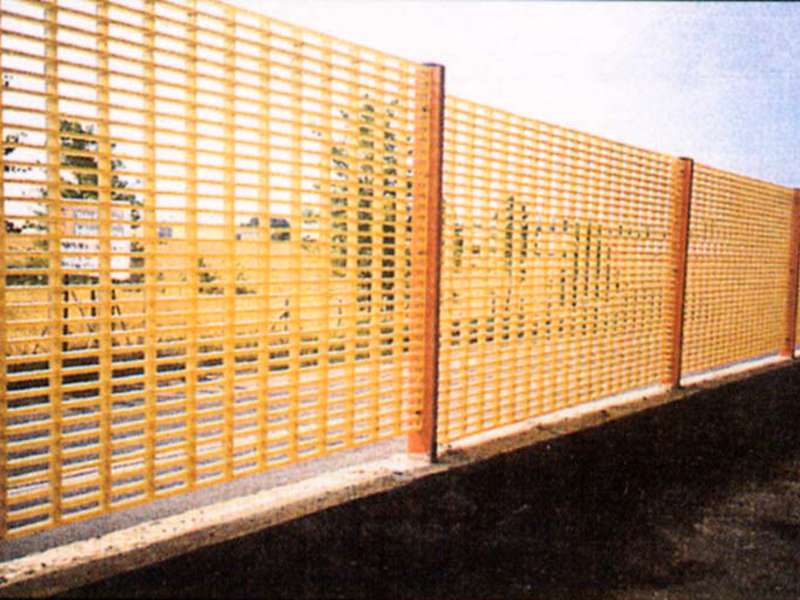
In simple terms, FRP grating is a panel or platform made by combining fibers (usually glass fibers) with polymer resin to form a strong, lightweight composite. Imagine a sturdy mesh of reinforced plastic that can handle heavy loads but won't rust like steel or splinter like wood. It's used as flooring, decking, or walkways where safety, drainage, and durability are paramount. Beyond just "industrial use," FRP grating supports modern humanitarian and industrial needs — from offshore oil rigs to flood defense infrastructure.
Key Features of FRP Grating
Durability and Corrosion Resistance
The biggest selling point? FRP grating is incredibly resistant to corrosion, which means in salty oceans, chemical plants, or wastewater treatment facilities, it won’t degrade like metal or rot like wood. This extends lifespan dramatically.
Lightweight and High Strength
You’d be surprised how strong FRP grating is, considering it weighs about one-quarter of steel. This makes installation easier — often reducing labor costs and structural support needs.
Safety and Slip Resistance
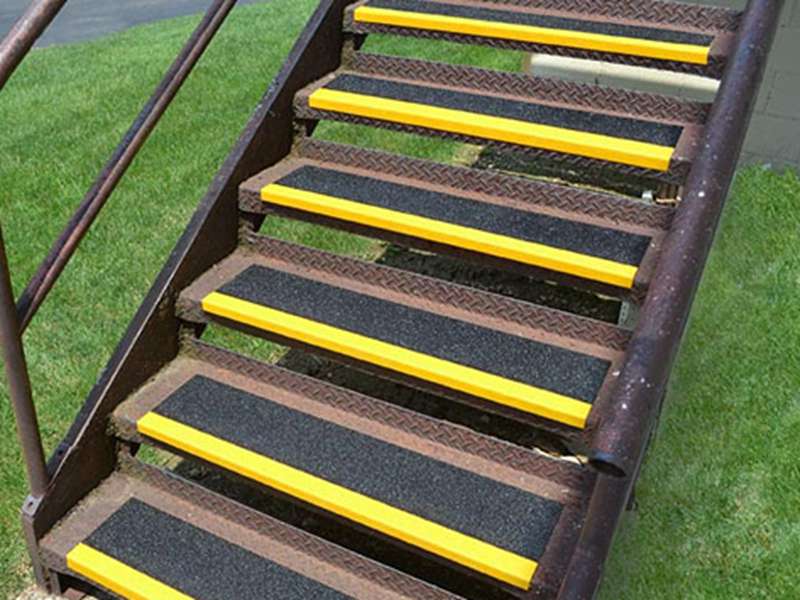
Many manufacturers add slip-resistant coatings or textured surfaces. For workers navigating slippery platforms or gangways, this feature reduces accidents.
Electrical and Thermal Insulation
FRP doesn’t conduct electricity nor does it transfer heat the way metals do, so it’s perfect for environments where electrical safety matters or where temperature control is critical.
Cost Effectiveness Over Time
While upfront prices might be higher than steel or wood, the reduction in maintenance and replacement costs quickly tips the scales.
Typical FRP Grating Specifications
| Property | Typical Range |
|---|---|
| Load Bearing Capacity | Up to 8000 lbs/ft² |
| Weight | ~1/4 weight of steel equivalence |
| Corrosion Resistance | Excellent in saltwater & chemical environments |
| Slip Resistance (Coefficient of Friction) | >0.6 (typical) |
| Lifespan | 20+ years (typical under normal conditions) |
Global Applications and Use Cases of FRP Grating
FRP grating’s versatility means it’s popping up almost everywhere. In Southeast Asia’s flood-prone communities, lightweight walkways built with FRP make muddy, waterlogged routes safe and accessible year-round. In the oil and gas industries of the North Sea, FRP platforms resist saltwater corrosion far longer than steel alternatives. Mining firms in Australia rely on FRP grating to build durable yet portable floorings that survive abrasive dust and harsh chemicals. Even humanitarian relief agencies use modular FRP flooring when setting up emergency shelters after natural disasters — it’s quick to install and safe for makeshift hospitals or command centers. Industrial zones across Europe and North America benefit from its electrical insulation properties to keep workers safe.
Advantages & Long-Term Value
- Cost savings: Less maintenance, fewer replacements, and easier installation all save money in the long haul.
- Sustainability: Resistant to rust and rot, FRP’s longevity means less material waste and lower carbon footprints over time.
- Enhanced safety: Slip resistance and electrical insulation lower workplace accidents and injuries.
- Adaptability: Available in various sizes and properties to meet bespoke needs from heavy industrial to light pedestrian use.
- Emotional peace of mind: It feels reassuring when your work environment is safer and built to last—something engineers know well.
Vendor Comparison: Common FRP Grating Providers
| Vendor | Material Quality | Customization Options | Price Range | Lead Time |
|---|---|---|---|---|
| Jrain FRP | High-grade fiberglass & resin | Wide range of thickness & mesh sizes | Mid to Premium | 2–4 weeks |
| Fibergrate | Industrial-grade composites | Standard ranges, some customization | Premium | 4–6 weeks |
| Strongwell | Durable resin systems | Good customization, color options | Mid | 3–5 weeks |
Future Trends & Innovations in FRP Grating
The future of FRP grating is closely tied to advances in green technology and digital manufacturing. Bio-based resins and recyclable composites are emerging, aiming to lower environmental impact further. Additive manufacturing techniques and modular designs are improving customization and reducing waste. In parallel, industries are integrating IoT sensors embedded within grating panels for real-time structural health monitoring — this innovation helps predict maintenance before failures occur. Regulatory bodies are pushing for stronger sustainability standards, which FRP manufacturers will likely embrace to stay competitive.
Challenges & Solutions
Of course, no material is perfect. FRP can be vulnerable to UV degradation unless treated, and its upfront cost deters some small projects. It also typically requires specialized cutting and fitting tools, which can increase installation complexity. However, many vendors now offer UV-stabilized panels and modular pre-cut sizes to simplify installation. Training programs and improved supply chains make these challenges increasingly manageable.
FAQ: Common Questions About FRP Grating
- Q: How long does FRP grating typically last in outdoor industrial settings?
A: Under normal conditions with proper UV protection and load specifications, FRP grating can last 20 years or more, greatly exceeding traditional steel in corrosive environments. - Q: Is FRP grating suitable for environments with high temperatures?
A: Most standard FRP materials perform well up to 120°C (248°F), but for higher temperature applications, specialized resins are available. - Q: Can FRP grating be customized for unique project needs?
A: Absolutely. Vendors like Jrain FRP offer various thicknesses, mesh sizes, and colors to match specific structural and aesthetic requirements. - Q: How does FRP grating improve worker safety?
A: Its non-slip surfaces, non-conductive properties, and high chemical resistance reduce hazards like slips, electrocution, and exposure to toxic substances.
Conclusion: The Lasting Impact of Choosing FRP Grating
Wrapping it up, FRP grating stands out as a modern material that ticks a lot of boxes—durability, sustainability, safety, and cost-efficiency over time. As industries worldwide confront ever-more challenging environments — from corrosive industrial sites to disaster-hit areas — choosing materials that last and protect matters greatly. If you’re exploring next-generation infrastructure or reliable industrial flooring solutions, I’d encourage you to consider the advantages of FRP grating seriously. To scope out quality products and customization options, visit https://www.jrain-frp.com and start your journey toward smarter, safer installations.
Takeaway: FRP grating isn’t just some niche industrial product—it’s quietly becoming an indispensable part of resilient modern infrastructure worldwide.
References
Latest news
-
Industrial High Pressure Fiberglass Pipe Guide and Technical SpecsNewsApr.16,2026
-
Industrial Storage Guide for Fiberglass Chemical TanksNewsApr.09,2026
-
Explore Durable and Customizable Custom Fiberglass Tanks for Your IndustryNewsApr.07,2026
-
Comprehensive Guide to Fiberglass Roof Tanks for Liquid Storage SolutionsNewsApr.04,2026
-
Comprehensive Guide to Durable and Corrosion Resistant Glass Fiber TanksNewsMar.31,2026
-
Comprehensive Guide to Tank Fiberglass Solutions and Their Diverse ApplicationsNewsMar.28,2026