

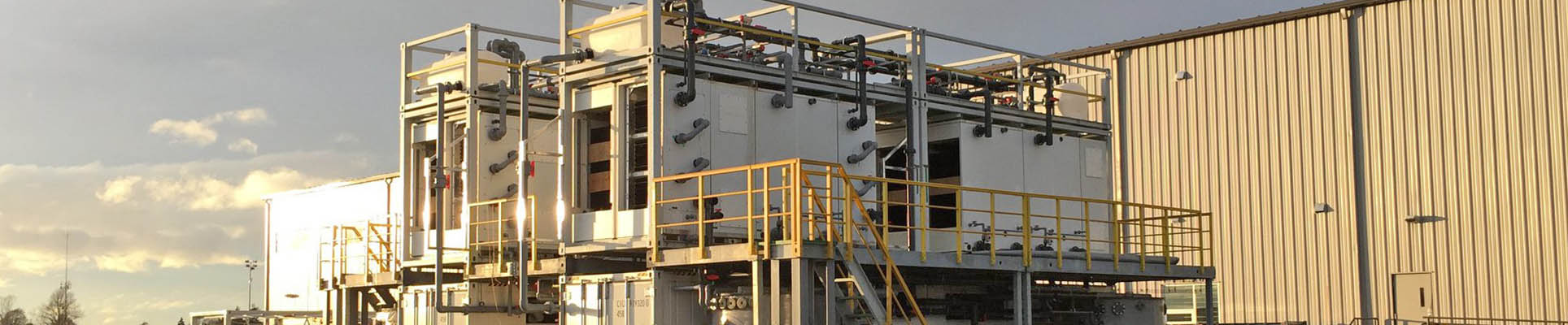

Why Fiberglass Ducts Demonstrate Exceptional Resistance Against Harsh Industrial Environments
Why Fiberglass Ducts Demonstrate Exceptional Resistance Against Modern Industrial Demands
At first glance, fiberglass ducts may seem like just another industrial component, but their role in demanding environments is becoming hard to ignore. Globally, industries ranging from chemical manufacturing to HVAC systems utilize fiberglass ducts because they demonstrate exceptional resistance against corrosion, high temperatures, and abrasion — all challenges that have traditionally shortened equipment life and inflated maintenance costs.
With world industrial output expected to grow steadily—as per ISO reports—choosing duct materials that stand the test of time isn't just smart; it’s essential. Whether in factories, hospitals, or remote mining sites, understanding how fiberglass ducts help maintain system integrity is a game-changer for engineers and planners alike.
Introducing Fiberglass Ducts and Their Resistance Capabilities
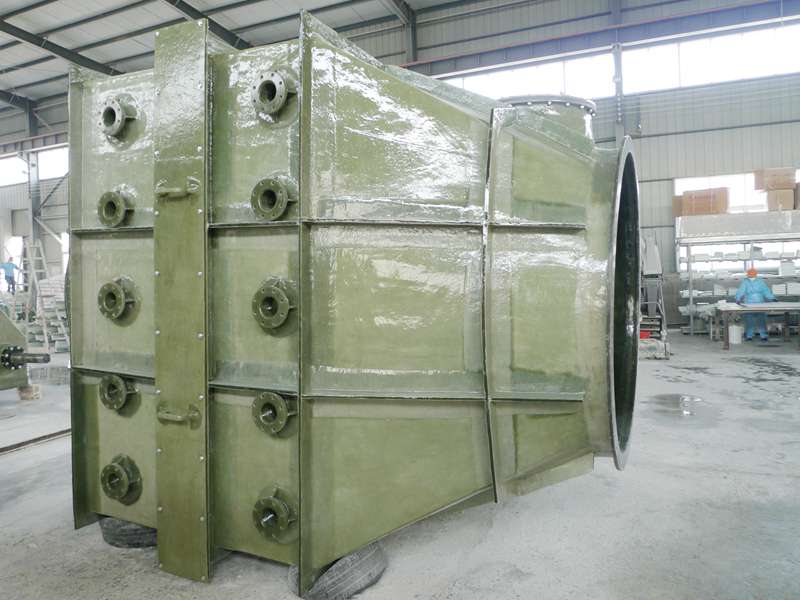
Put simply, fiberglass ducts are air or fluid conduits reinforced with glass fibers bound by resin, creating a composite material. This composite structure is what gives these ducts their edge. They demonstrate exceptional resistance against many environmental stressors that cause deterioration in more conventional materials, such as steel or PVC.
Modern industries, especially those affected by harsh chemicals or extreme climates, benefit tremendously. In humanitarian work, for example, where infrastructure might be rapidly deployed in disaster zones, fiberglass’s durability can provide longer-lasting, safer ventilation systems.
Core Properties That Make Fiberglass Ducts Stand Out
Corrosion Resistance
Unlike metal ducts, fiberglass ducts don’t rust or corrode, even when exposed to acids, alkalis, and salts. This quality ensures systems run longer with fewer replacements.
Thermal Stability
These ducts maintain shape and performance in temperature extremes from well below freezing up to around 200°C. This wide range is crucial for many industrial processes.
Mechanical Strength
The composite nature of fiberglass means it resists abrasions and mechanical impacts better than plastics alone. It’s tough without being heavy.
Lightweight & Ease of Installation
Fiberglass ducts are lighter than steel, which reduces installation time and costs—a big plus when working in remote or hazardous areas.
Customization & Scalability
Engineers appreciate how fiberglass ducts can be custom-shaped to fit complex layouts while scaling well from small ventilations to huge factory systems.
Global Applications & Real-World Use Cases
From bustling manufacturing plants in Germany to arid mineral extraction sites in Australia, fiberglass ducts have found favor worldwide. Their resistance properties prove invaluable in processing plants handling corrosive chemicals, or in power plants where fluctuating heat and harsh environmental conditions are par for the course.
In fact, humanitarian organizations working on field hospitals and disaster relief have increasingly adopted these ducts for clean air delivery systems. Their ease of transport, resistance to bio-contaminants, and durability make them suitable in places where reliability isn’t negotiable.
Oddly enough, some remote maritime installations also depend on fiberglass ducts, given their resistance to saltwater corrosion—something that conventional metal ducts battle endlessly.
Mini takeaway:
- Fiberglass ducts demonstrate exceptional resistance against corrosion, heat, and mechanical wear, which makes them practical for diverse harsh environments globally.
Advantages That Truly Matter in the Long Run
Cost savings over the lifespan of the ducts are notable, thanks to lower maintenance and replacement demands. Sustainability is another angle: fiberglass ducts often have longer operational lives, reducing waste and the carbon footprint compared to frequently replaced metal or plastic parts.
Beyond dollars and cents, there’s the human side of it. Facilities that rely on stable air or fluid flow contribute to greater workplace safety and dignity. When things don’t break down unexpectedly, systems feel more trustworthy. Engineers and technicians often say it feels like fewer headaches and more peace of mind.
Looking Ahead: Innovations on the Horizon
Research into bio-resins and recycled glass fibers aims to make fiberglass ducts greener without sacrificing strength. There’s a push towards integrating sensors along duct lines—so-called “smart ducts”—which monitor wear or blockages in real time. Automation in manufacturing means ducts can be tailored even more precisely to specific use cases, boosting efficiency and reducing waste.
Challenges and How the Industry Is Tackling Them
Fiberglass ducts aren’t perfect. Some users report issues with brittleness over very long periods, especially under UV exposure. Also, certain extreme chemical exposures still require specialized coatings.
To combat these, vendors offer improved surface treatments and hybrid composite layers. Installation teams are also trained better to avoid stresses that cause cracking during handling. Honestly, it feels like the product and process are continuously evolving—always chasing that sweet spot of flawless performance.
Frequently Asked Questions About Fiberglass Ducts
- What makes fiberglass ducts superior to traditional metal ducts in corrosive environments?
- Fiberglass ducts demonstrate exceptional resistance against corrosion because they're non-metallic and composed of glass fibers bound with resin, making them impervious to rust and chemical degradation common in metals.
- How long can fiberglass ducts last in industrial settings?
- With proper installation and maintenance, fiberglass ducts can last 20-30 years or more, outperforming many metal and plastic alternatives, especially in harsh chemical or high-humidity environments.
- Are fiberglass ducts suitable for outdoor installations exposed to UV rays?
- Standard fiberglass ducts can degrade under prolonged UV exposure. However, many manufacturers provide UV-resistant coatings or additives to extend lifespan outdoors.
- Can fiberglass ducts be customized for irregular layouts?
- Yes. One key advantage is the ease of customization—fiberglass composites can be molded into complex shapes, making them ideal for constrained or customized industrial spaces.
- How does fiberglass duct maintenance compare with metal ducts?
- Fiberglass ducts generally require less maintenance due to resistance to corrosion and abrasion, thus lowering operational costs and downtime associated with repairs.
Product Specifications: Comparing Popular Fiberglass Duct Models
| Feature | F-300 Series | R-450 Pro | VX-600 Ultra |
|---|---|---|---|
| Max Temp. Resistance | 150°C | 200°C | 220°C |
| Chemical Resistance | Good | Excellent | Outstanding |
| Wall Thickness | 5 mm | 7 mm | 8 mm |
| Weight (per meter) | 3.4 kg | 4.1 kg | 4.6 kg |
| UV Resistance | No | Yes | Yes (Enhanced) |
Fiberglass Duct Vendors: A Quick Comparison
| Vendor | Global Reach | Product Range | Customization Capability | Lead Time |
|---|---|---|---|---|
| FibraTech Inc. | Worldwide | Extensive | High | 4-6 weeks |
| Global FRP Solutions | Europe, Asia | Moderate | Medium | 3-5 weeks |
| JRain FRP | Asia, North America | Specialized | Very High | 2-4 weeks |
For those curious, these fiberglass ducts demonstrate exceptional resistance against environmental damage fiberglass ducts demonstrate exceptional resistance against corrosion and wear that other duct materials find difficult to endure.
Wrapping It Up
Fiberglass ducts demonstrate exceptional resistance against numerous challenges that have long plagued traditional duct systems. Their blend of strength, lightness, and durability means they’re likely to become a standard in industries demanding performance and reliability. For engineers, technicians, and disaster relief coordinators alike, adopting these ducts represents a smart investment in sustainability and safety.
Curious to learn more or ready to upgrade your system? Visit our website for a deep dive into solutions that fit your needs.
References
Latest news
-
Industrial High Pressure Fiberglass Pipe Guide and Technical SpecsNewsApr.16,2026
-
Industrial Storage Guide for Fiberglass Chemical TanksNewsApr.09,2026
-
Explore Durable and Customizable Custom Fiberglass Tanks for Your IndustryNewsApr.07,2026
-
Comprehensive Guide to Fiberglass Roof Tanks for Liquid Storage SolutionsNewsApr.04,2026
-
Comprehensive Guide to Durable and Corrosion Resistant Glass Fiber TanksNewsMar.31,2026
-
Comprehensive Guide to Tank Fiberglass Solutions and Their Diverse ApplicationsNewsMar.28,2026