



Comprehensive Guide to Fiberglass Reinforced Pipe for Enhanced Infrastructure
Understanding Fiberglass Reinforced Pipe (FRP): A Comprehensive Guide
Fiberglass reinforced pipe (FRP) is a versatile and increasingly popular material for a wide range of applications, from municipal water systems to chemical processing plants. Known for its strength, durability, and corrosion resistance, FRP offers significant advantages over traditional piping materials like steel or concrete. This article will delve into the benefits, applications, manufacturing processes, and considerations for utilizing fiberglass reinforced pipe, providing a comprehensive overview for engineers, project managers, and anyone considering this innovative material. FRP's lightweight nature and ease of installation also contribute to significant cost savings.
Key Benefits of Fiberglass Reinforced Pipe
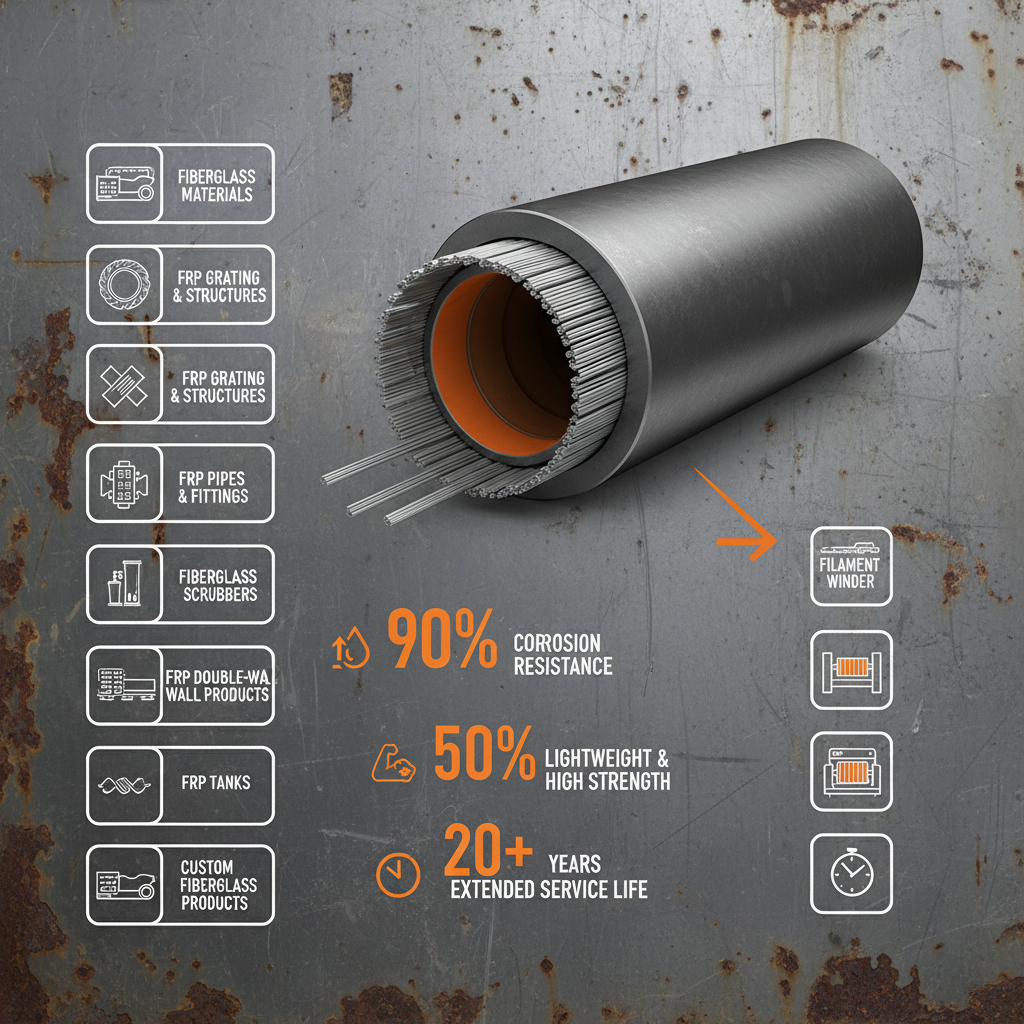
FRP offers a compelling array of benefits compared to traditional piping solutions. Perhaps the most significant is its exceptional corrosion resistance. Unlike steel, FRP won't rust or corrode, even in highly corrosive environments, significantly extending its lifespan and reducing maintenance costs. It’s also remarkably lightweight, making it easier and faster to install, reducing labor costs and project timelines. Furthermore, FRP exhibits high strength-to-weight ratio, meaning it can withstand substantial pressure while remaining relatively light. This characteristic makes it ideal for applications where weight is a critical factor, such as offshore platforms or elevated pipelines. Finally, FRP is a non-conductive material, offering enhanced safety in electrical environments.
Key Highlights: Exceptional corrosion resistance, lightweight and easy to install, high strength-to-weight ratio, non-conductive, and long service life.
Applications of Fiberglass Reinforced Pipe
The versatility of FRP allows for its use in a diverse range of industries and applications. In municipal water and sewer systems, FRP provides a long-lasting, corrosion-resistant solution for transporting potable water and wastewater. Chemical processing plants utilize FRP for handling corrosive chemicals, minimizing the risk of leaks and contamination. The oil and gas industry relies on FRP for pipelines, storage tanks, and structural components due to its ability to withstand harsh offshore environments. Power generation plants leverage FRP for cooling water systems and flue gas ducting. Furthermore, FRP is increasingly used in the pulp and paper industry for handling corrosive process fluids. Jrain-FRP provides tailored solutions for these diverse needs.
Application Areas:
• Municipal Water & Sewer Systems
• Chemical Processing Plants
• Oil & Gas Industry
• Power Generation
Fiberglass Reinforced Pipe vs. Traditional Materials
Comparing FRP to traditional materials like steel, concrete, and PVC reveals significant advantages. Steel is susceptible to corrosion, requiring regular maintenance and coating. Concrete is heavy and prone to cracking. PVC has limitations in temperature and pressure applications. FRP excels in all these areas, offering superior corrosion resistance, a lighter weight, and higher strength. While the initial cost of FRP may be higher than some traditional materials, the long-term cost savings due to reduced maintenance and extended lifespan often outweigh the initial investment.
Manufacturing Process of Fiberglass Reinforced Pipe
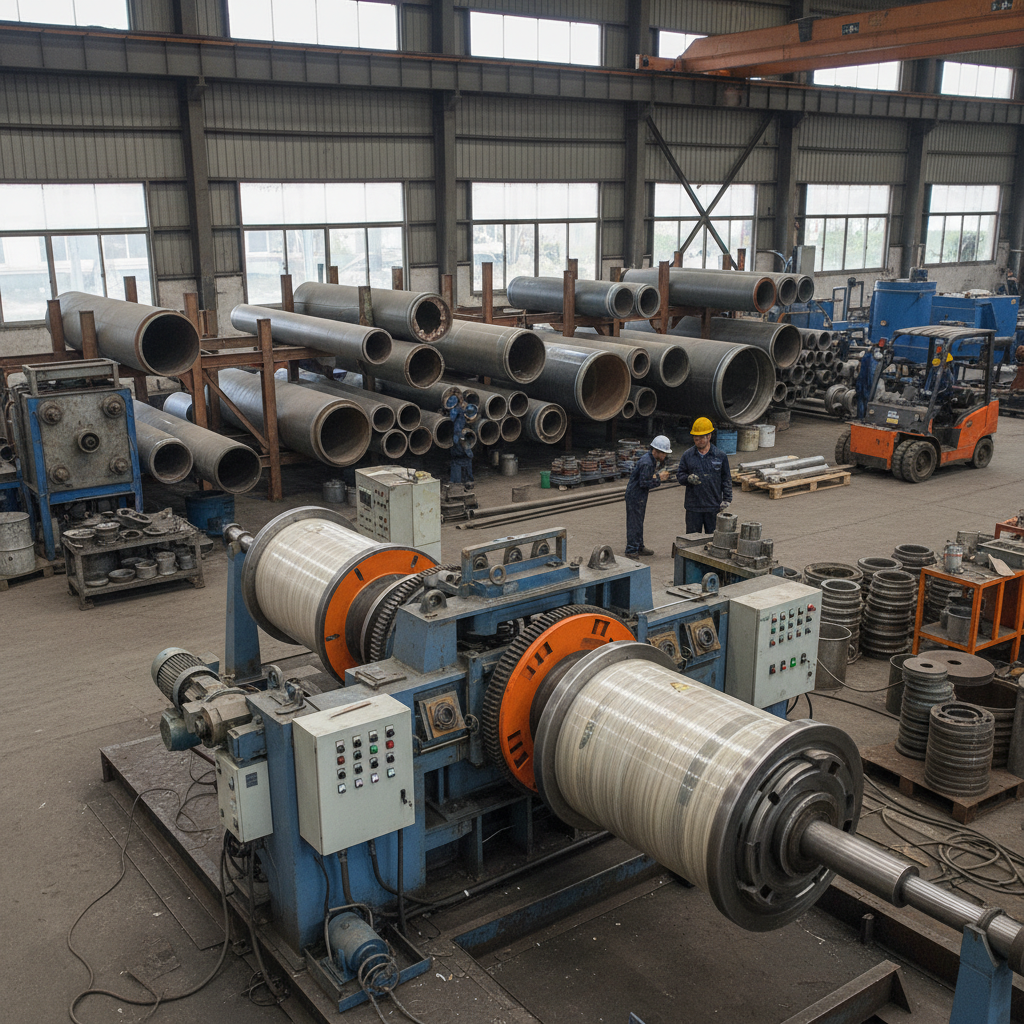
FRP is typically manufactured using a filament winding process. This involves wrapping continuous strands of glass fiber impregnated with resin around a rotating mandrel. The resin matrix binds the fibers together, creating a strong, lightweight composite structure. Different resin systems, such as polyester, vinyl ester, and epoxy, can be used depending on the application and required properties. The pipe is then cured, resulting in a finished product with exceptional strength and corrosion resistance. Jrain-FRP employs advanced manufacturing techniques to ensure the highest quality and consistency.
Important Considerations When Using FRP
While FRP offers many advantages, some considerations are essential for successful implementation. Proper installation techniques are crucial to maintain the pipe’s integrity. Avoid sharp bends or improper support, which can compromise the structural strength. Compatibility with other materials in the system should be verified to prevent galvanic corrosion. UV protection may be necessary for exposed applications to prevent resin degradation. Finally, it's essential to work with a reputable supplier like Jrain-FRP to ensure you receive high-quality materials and expert technical support.
Conclusion: A Sustainable and Reliable Piping Solution
Choosing fiberglass reinforced pipe represents a smart investment for long-term performance, reduced maintenance, and enhanced safety. Its superior properties and diverse applications make it an ideal solution for a wide range of industries. By understanding the benefits and considerations outlined in this article, you can confidently implement FRP into your projects and reap the rewards of a sustainable and reliable piping solution.
Frequently Asked Questions (FAQs)
What is the typical lifespan of FRP?
The lifespan of FRP is significantly longer than traditional materials, often exceeding 50 years with proper installation and maintenance. Its resistance to corrosion and degradation contributes to this longevity. However, the specific lifespan will vary depending on the application, environmental conditions, and the resin system used. Regular inspections and adherence to manufacturer's recommendations are crucial for maximizing the lifespan of your FRP system.
What size diameters of FRP are available?
FRP is available in a wide range of diameters, from small-diameter pipes for residential applications to large-diameter pipes for industrial and municipal projects. Common diameters range from 4 inches to 120 inches, but custom sizes can often be manufactured to meet specific project requirements. Jrain-FRP offers a comprehensive selection of diameters and can accommodate custom orders.
Is FRP suitable for high-pressure applications?
Yes, FRP can be engineered to withstand very high pressures. The strength of the pipe is determined by the type of resin, the fiber content, and the manufacturing process. Proper design and pressure testing are essential to ensure the FRP system can safely operate at the required pressure. Jrain-FRP specializes in manufacturing FRP pipes for demanding high-pressure applications.
What are the environmental benefits of using FRP?
FRP offers several environmental benefits. Its long lifespan reduces the need for frequent replacements, minimizing waste. It’s also a lightweight material, which reduces transportation costs and fuel consumption. Furthermore, FRP manufacturing processes are becoming increasingly sustainable, with a focus on reducing emissions and utilizing recycled materials. Its corrosion resistance prevents leaks and spills, protecting the environment from contamination.
Latest news
-
Industrial High Pressure Fiberglass Pipe Guide and Technical SpecsNewsApr.16,2026
-
Industrial Storage Guide for Fiberglass Chemical TanksNewsApr.09,2026
-
Explore Durable and Customizable Custom Fiberglass Tanks for Your IndustryNewsApr.07,2026
-
Comprehensive Guide to Fiberglass Roof Tanks for Liquid Storage SolutionsNewsApr.04,2026
-
Comprehensive Guide to Durable and Corrosion Resistant Glass Fiber TanksNewsMar.31,2026
-
Comprehensive Guide to Tank Fiberglass Solutions and Their Diverse ApplicationsNewsMar.28,2026