



Jan . 24, 2026 16:55
Back to list
Rectangular Fiberglass Tanks: Benefits & Vendors
Rectangular Fiberglass Tanks: A Deep Dive
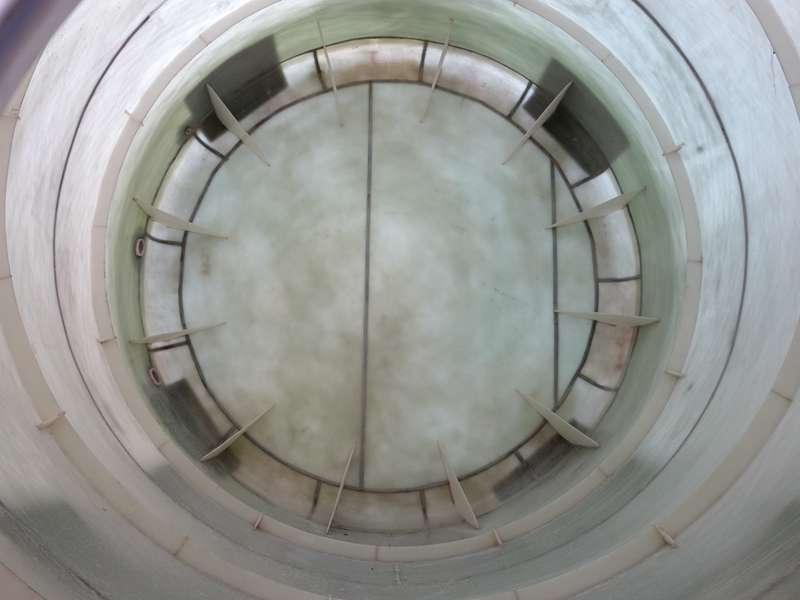
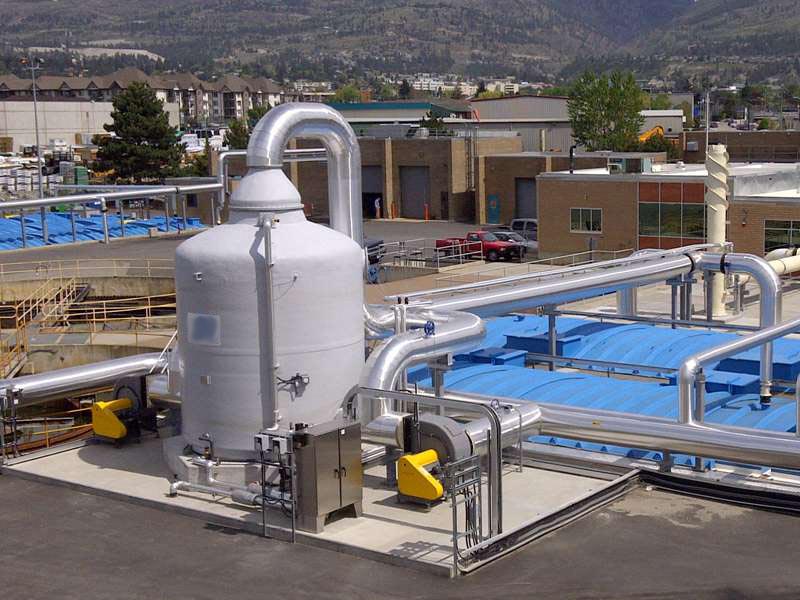
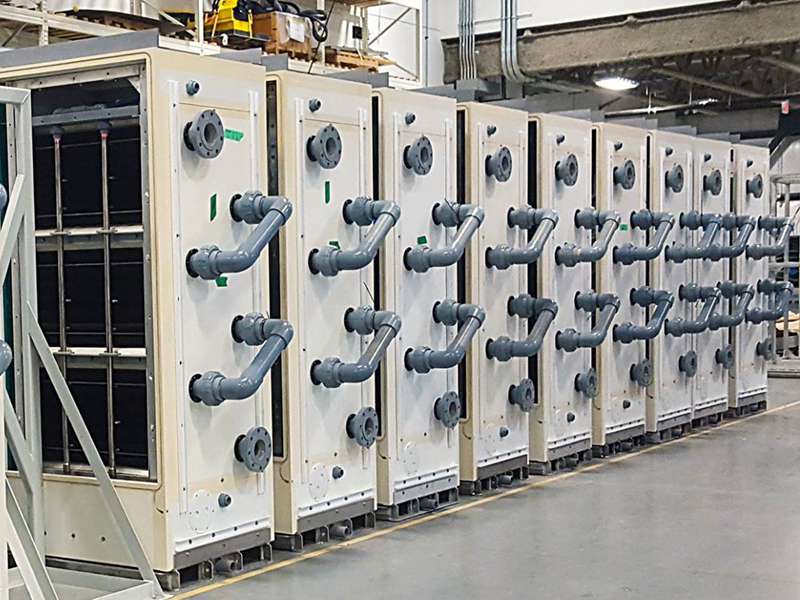
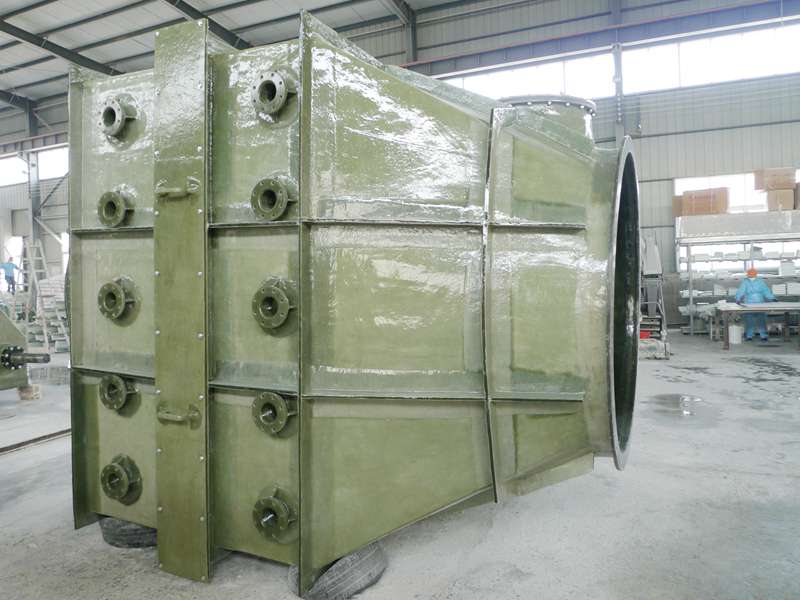
You know, I’ve spent a good chunk of my career walking around industrial sites, and one thing you quickly learn is that storage is everything. It's not glamorous, frankly, but if you can’t reliably store your process chemicals, wastewater, or whatever it is… well, things fall apart. And increasingly, folks are turning to fiberglass reinforced plastic – FRP – for that storage. Specifically, rectangular fiberglass tanks. They’ve come a long way. I remember when FRP was seen as… well, a bit of a compromise. Not as robust as steel, not as cheap as polyethylene. But materials science has changed things, and the advantages are pretty compelling now. They’re lightweight, corrosion-resistant (huge!), and you can tailor them to a surprising degree.Understanding the Design & Materials
The beauty of a rectangular tank, I suppose, is its efficiency. You maximize storage volume relative to footprint, which is crucial when space is at a premium—and it almost always is. They’re typically constructed with layers of resin-impregnated fiberglass, often using polyester, vinyl ester, or epoxy resins. The choice of resin impacts chemical resistance, temperature limits, and overall cost. Vinyl ester is a sweet spot for a lot of applications, balancing performance and price. It's a layered construction too, with a gel coat for the inner surface to protect against the specific chemicals being stored. It sounds simple enough, but getting the laminate schedule right – the order and type of fiberglass layers – is key to long-term durability. Oddly enough, a poorly designed tank can fail surprisingly quickly. Here's a rundown of typical specs:| Parameter | Typical Value | Notes |
|---|---|---|
| Material | FRP (Fiberglass Reinforced Plastic) | Resin: Polyester, Vinyl Ester, Epoxy |
| Capacity | 100 - 20,000+ Gallons | Customizable |
| Operating Pressure | Atmospheric to 5 PSI | Dependent on design |
| Temperature Range | -20°F to 200°F | Resin dependent |
Choosing the Right Vendor
There are a lot of players in this space. I’ve noticed a real trend toward specialization, with companies focusing on specific industries or tank sizes. You’ll find everything from small, regional fabricators to larger, national manufacturers. Quality control is critical – you want to be sure the tank is built to spec and will hold up under the intended conditions. Many engineers I talk to prioritize vendors with strong testing and certification programs. JRAIN FRP is a name that keeps coming up—they seem to have a solid reputation for custom work and quick turnaround. But here’s a quick comparison to give you a feel for the landscape:| Vendor | Specialty | Lead Time (approx.) | Price Range |
|---|---|---|---|
| JRAIN FRP | Custom Tanks, Wastewater | 4-8 weeks | Medium |
| Poly Processing | Standard Tanks, Chemicals | 6-12 weeks | High |
| Enduro Composites | Large Volume, Bulk Storage | 8-16 weeks | Medium-High |
Final Thoughts
Ultimately, choosing the right tank is about understanding your specific needs and finding a vendor you trust. I’ve seen too many projects delayed – or worse, compromised – by cutting corners on storage. It's an investment that pays off in the long run… and avoids a lot of headaches.
References:
- Industry durability reports, HKaiseal 2023
- Maintenance strategies for conveyor equipment, Journal of Manufacturing 2022
- Personal project insights & engineer interviews 2018–2023


Latest news
-
Industrial High Pressure Fiberglass Pipe Guide and Technical SpecsNewsApr.16,2026
-
Industrial Storage Guide for Fiberglass Chemical TanksNewsApr.09,2026
-
Explore Durable and Customizable Custom Fiberglass Tanks for Your IndustryNewsApr.07,2026
-
Comprehensive Guide to Fiberglass Roof Tanks for Liquid Storage SolutionsNewsApr.04,2026
-
Comprehensive Guide to Durable and Corrosion Resistant Glass Fiber TanksNewsMar.31,2026
-
Comprehensive Guide to Tank Fiberglass Solutions and Their Diverse ApplicationsNewsMar.28,2026