

Industrial High Pressure Fiberglass Pipe Guide and Technical Specs
The Ultimate Guide to High Pressure Fiberglass Pipe for Industrial Use
In modern industrial fluid transport, the demand for materials that combine strength, lightweight properties, and corrosion resistance has never been higher. The high pressure fiberglass pipe has emerged as a superior alternative to traditional steel and PVC piping. Engineered from reinforced thermosetting resins and glass fibers, these pipes are designed to withstand extreme internal pressures while remaining impervious to the harsh chemical environments that typically degrade metal. Whether you are managing a desalination plant or a chemical processing facility, understanding the technical advantages of FRP (Fiber Reinforced Polymer) is key to reducing long-term maintenance costs and ensuring operational safety.
The Engineering Behind High Pressure Fiberglass Pipe
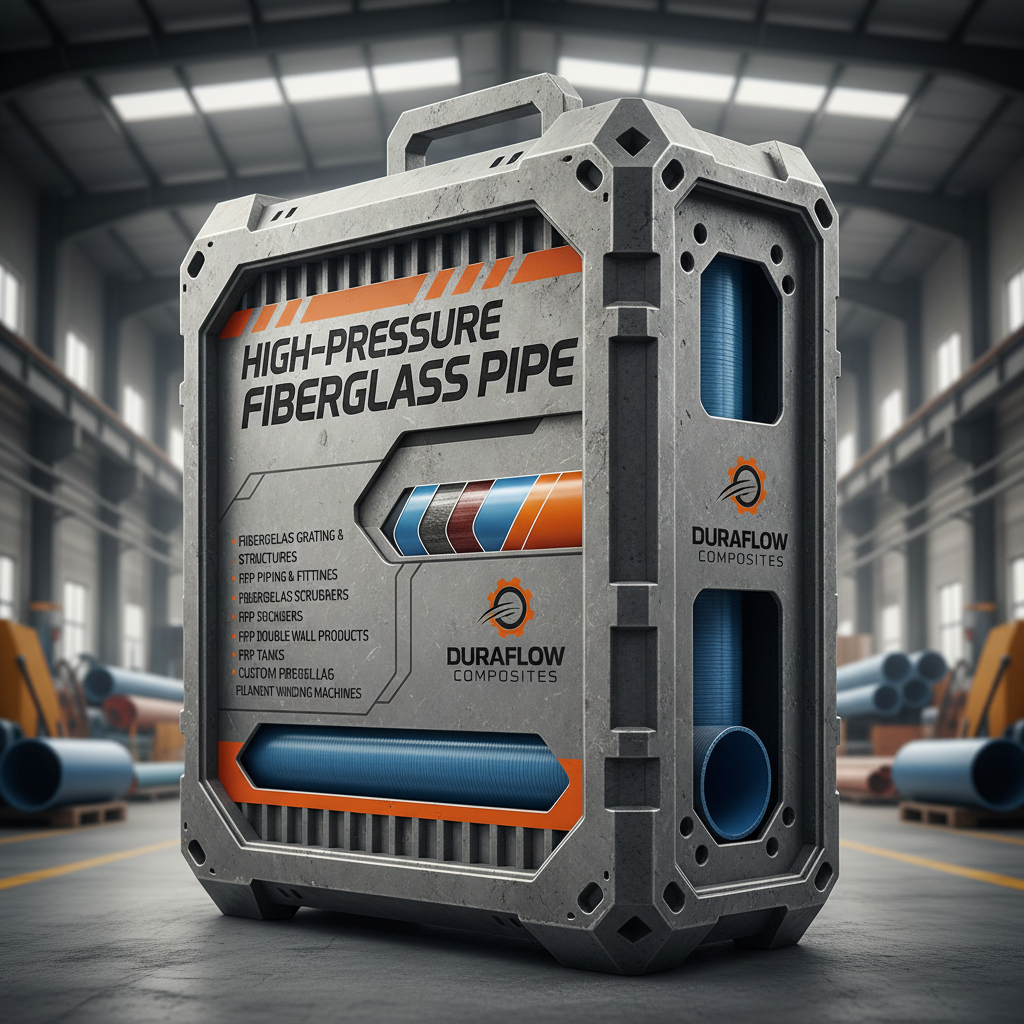
The strength of a high pressure fiberglass pipe lies in its composite structure. Unlike monolithic materials, FRP pipes use a combination of a high-performance resin matrix and glass reinforcement. The filament winding process allows engineers to orient the glass fibers specifically to resist hoop stress and axial loads, which are the primary forces acting on a pipe under high pressure. This precision engineering ensures that the pipe does not succumb to fatigue or bursting under sudden pressure surges. Furthermore, the smooth interior surface reduces friction loss, allowing for more efficient pumping and lower energy consumption over the system's lifespan.
Technical Insight: The use of E-glass or E-CR glass fibers combined with vinyl ester resins provides the highest level of chemical resistance and mechanical strength for high-pressure applications.
Comparing Fiberglass Pipe vs. Steel and PVC
When selecting a piping system, decision-makers often weigh the pros and cons of steel, PVC, and FRP. Steel is strong but prone to oxidation and requires expensive coatings. PVC is cost-effective but fails under high-temperature or high-pressure scenarios. The high pressure fiberglass pipe bridges this gap by offering the strength of metal with the corrosion resistance of plastics. Because it does not rust, the need for cathodic protection is eliminated, drastically reducing the Total Cost of Ownership (TCO).
Key Applications of High Pressure Fiberglass Pipe
Due to its unique properties, the high pressure fiberglass pipe is the preferred choice across several demanding sectors. In water treatment and desalination, these pipes transport seawater and brine without the risk of salt-induced corrosion. In the oil and gas industry, FRP is used for produced water lines and chemical injection systems where corrosive gases like H2S are present. Additionally, in fire protection systems, the high pressure rating ensures that water is delivered reliably during emergencies without the risk of internal pipe scaling that often plagues old steel lines.
Standard Specifications for High Pressure FRP Systems
Selecting the right pipe requires a deep dive into technical specifications. Parameters such as the Nominal Diameter (DN), Pressure Class (PN), and the specific resin type are critical. A high-quality high pressure fiberglass pipe is typically manufactured according to international standards like ASTM or AWWA. Below is a typical product specification table for industrial-grade FRP piping systems.
Installation and Maintenance Best Practices
To ensure the full potential of your high pressure fiberglass pipe, proper installation is non-negotiable. Unlike steel pipes that are welded, FRP pipes are typically joined using adhesive bonding or bell-and-spigot joints with rubber gaskets. It is essential to provide adequate support intervals to prevent sagging, as FRP has a different modulus of elasticity than metal. Maintenance is remarkably low; however, periodic inspections for external impact damage or UV degradation (if not coated) are recommended. Using UV-resistant topcoats can extend the exterior life of the pipe in sunny environments.
Environmental Impact and Sustainability
Sustainability is becoming a core requirement for global infrastructure. The production and deployment of high pressure fiberglass pipe contribute to a lower carbon footprint compared to steel. The lightweight nature of the material reduces the fuel required for transportation and the heavy machinery needed for installation. Furthermore, because these pipes do not leach chemicals into the soil or water and do not require toxic anti-corrosive paints, they are a safer choice for groundwater and municipal water projects, supporting a greener industrial future.
Conclusion: The Future of Fluid Transport
The adoption of high pressure fiberglass pipe represents a shift toward smarter, more durable industrial engineering. By combining high mechanical strength with an innate resistance to corrosion, FRP provides a sustainable and cost-effective solution for the world's most challenging piping environments. From reducing maintenance downtime to extending the lifespan of critical infrastructure, investing in high-quality fiberglass piping is a strategic move for any modern industrial operation.
Frequently Asked Questions (FAQs)
Can high pressure fiberglass pipes handle extreme temperatures?
Yes, but the temperature limit depends on the resin used. Isophthalic resins are suitable for moderate temperatures, while Vinyl Ester and Epoxy resins are engineered for higher thermal thresholds. Generally, high-pressure FRP pipes can operate efficiently from -40°C up to 120°C. It is important to consult the specific resin data sheet to ensure the material can handle the thermal expansion and contraction associated with your operating environment to avoid stress fractures.
How do you repair a damaged section of a fiberglass pipe?
One of the greatest advantages of FRP is that it can be repaired in situ. For minor cracks or abrasions, a process called "lamination" is used, where new layers of glass fiber and resin are applied to the damaged area and cured. For more severe ruptures, a section of the pipe is cut out and a new prefabricated spool piece is bonded into place using high-strength adhesive joints. This eliminates the need for heavy welding equipment and allows for rapid restoration of service.
Are these pipes safe for drinking water applications?
Absolutely. When manufactured with food-grade or potable-water-approved resins, fiberglass pipes are an excellent choice for drinking water. They do not leach metallic ions into the water, unlike galvanized or copper pipes, and they prevent the growth of biofilm due to their extremely smooth internal surface. Many municipal water systems worldwide have switched to FRP to ensure water purity and eliminate the risk of internal corrosion and leakage.
What is the typical lead time for customized high pressure FRP pipes?
Lead times vary depending on the diameter and the specific pressure rating required. Because the filament winding process is tailored to the requested specifications (such as specific resin types or wall thickness), customized orders typically take a few weeks to several months. However, standard sizes are often stocked. For detailed quotes and timelines, it is recommended to visit the Jrain FRP website to contact their engineering team directly.
Latest news
-
Industrial High Pressure Fiberglass Pipe Guide and Technical SpecsNewsApr.16,2026
-
Industrial Storage Guide for Fiberglass Chemical TanksNewsApr.09,2026
-
Explore Durable and Customizable Custom Fiberglass Tanks for Your IndustryNewsApr.07,2026
-
Comprehensive Guide to Fiberglass Roof Tanks for Liquid Storage SolutionsNewsApr.04,2026
-
Comprehensive Guide to Durable and Corrosion Resistant Glass Fiber TanksNewsMar.31,2026
-
Comprehensive Guide to Tank Fiberglass Solutions and Their Diverse ApplicationsNewsMar.28,2026