


Comprehensive Guide to Fiberglass Absorbers for Effective Acoustic Control
Understanding Fiberglass Absorbers for Optimal Acoustic Control
In various industries, from manufacturing and construction to HVAC systems and recording studios, controlling noise pollution is paramount. Fiberglass absorbers are a highly effective solution for sound dampening and noise reduction. This article will delve into the properties, applications, benefits, and selection criteria for fiberglass absorbers, providing a comprehensive guide for professionals and anyone seeking to improve acoustic environments. Effective noise control can dramatically enhance productivity, safety, and overall well-being.
What are Fiberglass Absorbers?
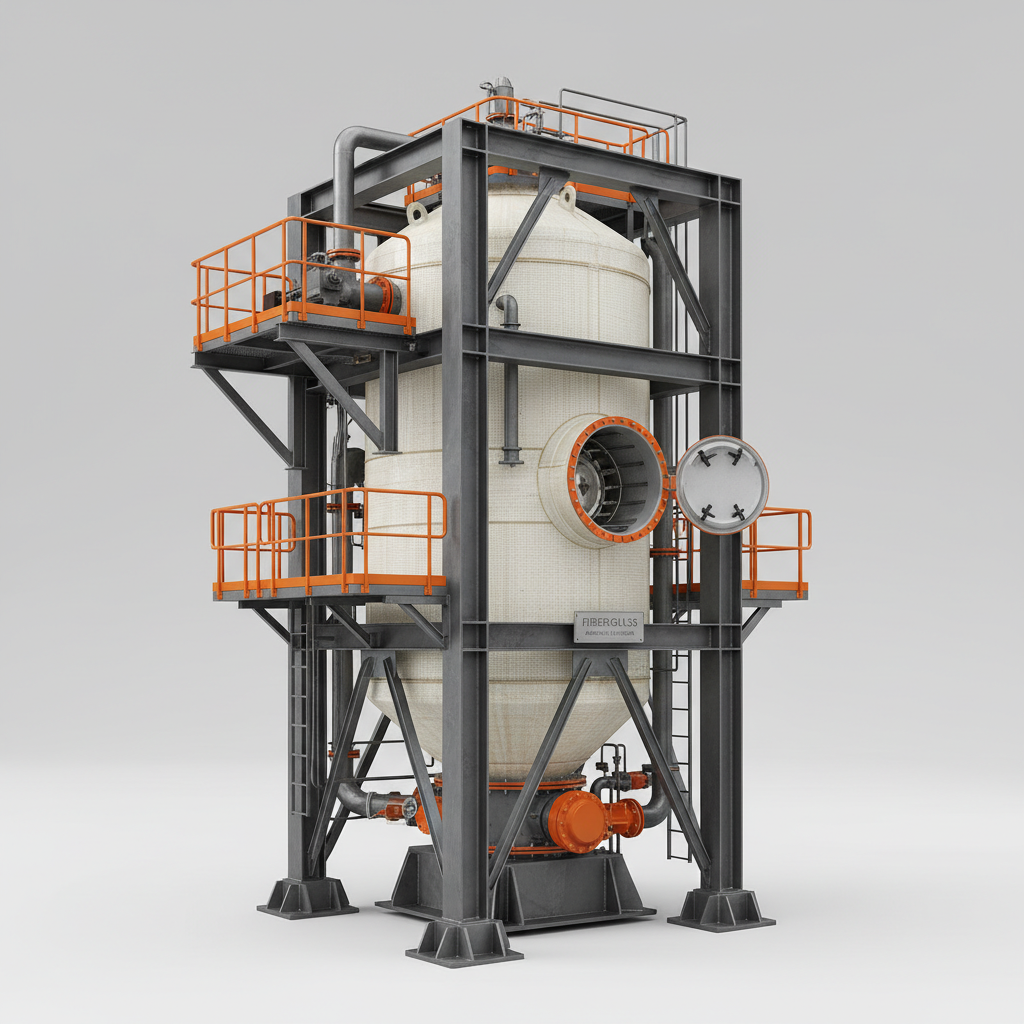
Fiberglass absorbers are acoustic materials crafted from woven or non-woven fiberglass. Their effectiveness stems from their porous structure, which allows sound waves to penetrate and be converted into small amounts of heat through friction. This process, known as viscous drag, significantly reduces sound reflection and reverberation. Unlike sound barriers that block sound, absorbers reduce sound intensity, creating a quieter and more controlled environment. They are available in various forms, including panels, blankets, and baffles, offering flexibility in application. JRAIN-FRP specializes in high-quality fiberglass absorbers tailored to specific acoustic needs.
Key Characteristics: Porous structure, high sound absorption coefficient, lightweight, fire-resistant, cost-effective.
Applications of Fiberglass Absorbers
Fiberglass absorbers find applications across a diverse range of industries. In industrial settings, they reduce noise from machinery, improving worker safety and productivity. HVAC systems utilize them to dampen fan noise and ductwork vibrations. Recording studios and home theaters rely on them for superior acoustic quality, minimizing echoes and creating a more immersive experience. Commercial buildings employ them to reduce noise transmission between floors and offices. Even automotive applications benefit from fiberglass absorbers for sound dampening within vehicle cabins. Effectively managing sound with these materials can create more pleasant and functional spaces.
Common Application Areas:
• Industrial Facilities
• HVAC Systems
• Recording Studios & Home Theaters
• Commercial Buildings
• Automotive Industry
Fiberglass Absorber Performance: Key Metrics
The performance of a fiberglass absorber is primarily evaluated by its Noise Reduction Coefficient (NRC). NRC represents the fraction of sound energy absorbed by the material. A higher NRC value indicates better absorption. Other important metrics include the Sound Absorption Average (SAA), which considers absorption across a wider frequency range. The thickness and density of the fiberglass material significantly impact these values. Proper installation is also crucial; gaps or compressions can reduce effectiveness.
Selecting the Right Fiberglass Absorber
Choosing the optimal fiberglass absorber depends on several factors, including the frequency range of the noise you're trying to control, the available space, and budgetary constraints. Lower frequencies require thicker materials, while higher frequencies can be addressed with thinner options. Consider the environmental conditions; for areas with high humidity, moisture-resistant fiberglass absorbers are recommended. Fire safety is also critical; ensure the material meets relevant fire resistance standards. JRAIN-FRP offers expert consultation to help you select the perfect fiberglass absorber for your specific application.
Safety Considerations When Working with Fiberglass
While fiberglass is an effective acoustic material, it’s essential to handle it with care. Fiberglass particles can irritate the skin, eyes, and respiratory system. Always wear appropriate personal protective equipment (PPE), including gloves, safety glasses, and a dust mask, when handling or installing fiberglass absorbers. Work in a well-ventilated area and avoid creating excessive dust. Proper disposal of fiberglass waste is also crucial, following local regulations.
Conclusion: Achieving Acoustic Excellence with Fiberglass Absorbers
Fiberglass absorbers represent a powerful and cost-effective solution for controlling noise and improving acoustic environments. Understanding their properties, applications, and selection criteria is essential for achieving optimal results. By prioritizing safety and choosing high-quality materials like those offered by JRAIN-FRP, you can create quieter, more comfortable, and more productive spaces.
Frequently Asked Questions (FAQs)
What is the difference between sound absorption and sound blocking?
Sound absorption, like that achieved with fiberglass absorbers, reduces the intensity of sound waves by converting them into heat energy. This minimizes reflections and reverberation. Sound blocking, on the other hand, prevents sound waves from traveling through a material, like a solid wall. While both are important for noise control, they work in fundamentally different ways. Absorption is best for improving acoustic quality within a space, while blocking is best for preventing sound from entering or exiting a space.
Can fiberglass absorbers be used outdoors?
While some fiberglass absorbers are designed for outdoor use, it's generally not recommended without proper protection. Prolonged exposure to moisture and UV radiation can degrade the material and reduce its effectiveness. If outdoor use is necessary, choose a fiberglass absorber specifically designed for exterior applications and consider adding a protective covering to shield it from the elements.
How often should fiberglass absorbers be replaced?
The lifespan of fiberglass absorbers depends on usage and environmental conditions. Generally, they should be inspected regularly for signs of deterioration, such as dust accumulation, compression, or damage. Replacing them every 5-10 years is a good practice, or sooner if performance noticeably declines. Regular maintenance, such as vacuuming, can help extend their lifespan.
Latest news
-
Industrial High Pressure Fiberglass Pipe Guide and Technical SpecsNewsApr.16,2026
-
Industrial Storage Guide for Fiberglass Chemical TanksNewsApr.09,2026
-
Explore Durable and Customizable Custom Fiberglass Tanks for Your IndustryNewsApr.07,2026
-
Comprehensive Guide to Fiberglass Roof Tanks for Liquid Storage SolutionsNewsApr.04,2026
-
Comprehensive Guide to Durable and Corrosion Resistant Glass Fiber TanksNewsMar.31,2026
-
Comprehensive Guide to Tank Fiberglass Solutions and Their Diverse ApplicationsNewsMar.28,2026