

What is an FRP Winding Machine? Key Benefits, Applications & Trends Explained
Understanding the FRP Winding Machine: A Key to Modern Composite Manufacturing
In today’s fast-paced manufacturing world, the FRP winding machine quietly plays a pivotal role in shaping durable, lightweight composite structures. Fiberglass Reinforced Plastic (FRP) products are everywhere — from aerospace parts to infrastructure components — and the winding machine is the silent workhorse behind many of these innovations. Globally, as industries push for stronger yet lighter materials with better corrosion resistance, understanding the FRP winding machine becomes crucial to grasp how these advances are possible. The machine’s ability to automate complex composite layering offers tremendous benefits: efficiency, improved quality, and scalability, to name a few.
Introduction: Why the FRP Winding Machine Matters Worldwide
The global composite materials market topped $65 billion in 2023 and is projected to grow steadily in the coming years, fueled partly by advances in manufacturing technologies like FRP winding machines (ISO Standards). Industries from automotive to renewable energy rely on composite parts — wind turbine blades, pressure pipes, aircraft components — and the winding process is a cornerstone for many such products.
One challenge the industry faces is the need for consistent, high-quality composites that meet strict strength and weight requirements. Manual layering is time-consuming and error-prone. Here, the FRP winding machine addresses this by automating fiber placement with precision, increasing productivity while reducing waste and defects.
Mini takeaway: The FRP winding machine is more than just industrial equipment — it’s a critical enabler of modern composite manufacturing on a global scale, unlocking better materials for essential applications.
What Is an FRP Winding Machine?
Put simply, an FRP winding machine is a device designed for creating composite materials by wrapping fiber-reinforced plastic resin around a rotating mandrel or form. It combines fibers such as glass, carbon, or aramid with a resin matrix, layering them in controlled patterns to build strong, lightweight structures.
Imagine wrapping tape around a cylindrical pipe — but much more precise and automated, with computer-controlled tension and layering angles. This process suits products like pipes, tanks, automotive components, and even parts used in humanitarian aid, such as durable, weather-resistant water tanks or lightweight structural parts for rapid-deployment shelters.
Core Components and Key Features of FRP Winding Machines
1. Precision Control System
Modern machines employ CNC (computer numerical control) to regulate fiber feed rates, tension, and winding angles, ensuring uniformity and meeting exact engineering specs.
2. Mandrel & Drum Design
The shape and rotation of the mandrel determine the product’s final form. Interchangeable mandrels enable a range of product geometries – from simple tubes to complex curved shapes.
3. Fiber Handling and Delivery
Ensuring fibers stay taut and aligned without fraying is crucial. Automated creels and controlled tensioners maintain fiber quality during winding.
4. Resin Impregnation Systems
Some machines integrate resin bath or injection systems to impregnate fibers on-the-fly, reducing manual steps and improving resin distribution.
5. Safety and Environmental Controls
With solvent-based resins and fine fibers involved, proper ventilation and operator safety systems are built in to minimize exposure and risk.
6. Scalability and Automation Level
From semi-automatic setups serving small workshops to fully-automated lines supporting mass production, scalability matches industry needs and production volumes.
Mini takeaway: The combination of precision, fiber management, and resin application defines the FRP winding machine’s ability to produce high-quality composites tailored to diverse industry demands.
Typical Applications Around the World
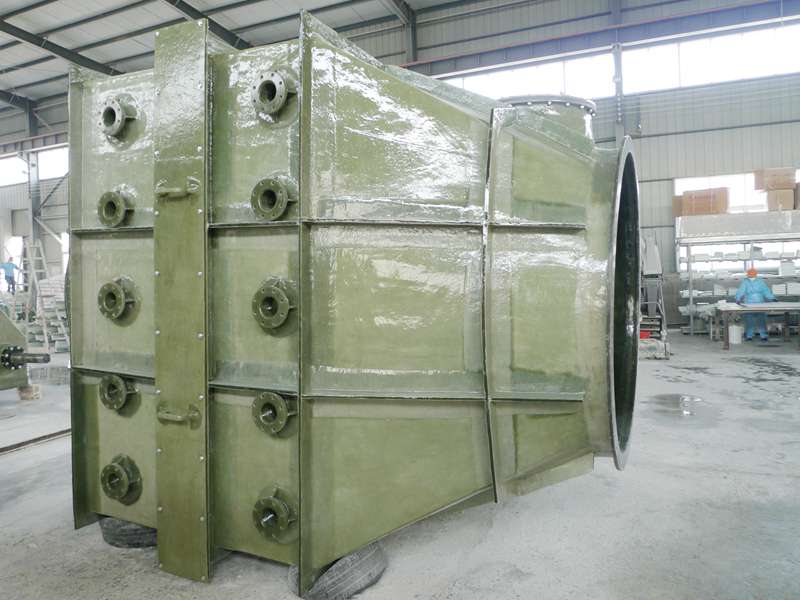
- Infrastructure: Water and chemical storage tanks made from FRP resist corrosion better than steel, extending service life substantially.
- Renewable Energy: Wind turbine blades, manufactured partly by filament winding, require strength and lightness — perfectly suited to automated winding processes.
- Automotive and Aerospace: Demand for fuel efficiency drives use of composite parts created with winding machines, reducing weight without sacrificing durability.
- Disaster Relief: Portable water pipes and quick-assembly components fabricated with FRP winding machines serve in remote or crisis-hit areas, where transportability and robustness matter.
- Marine Industry: FRP pipes and structural parts resist saltwater corrosion, making winding machines essential in shipbuilding and offshore platforms.
Mini takeaway: Whether in urban infrastructure or remote regions, the FRP winding machine must reliably produce composites that address local and global challenges — from resource scarcity to harsh environments.
Advantages and Long-Term Value
Why invest in an FRP winding machine? First, the cost efficiency kicks in via reduced waste, faster production cycles, and less human error. Fibers and resin are precisely metered, which means lower material costs — and better use of resources links directly to sustainability goals.
Durability is another mark. The composites produced resist corrosion, UV damage, and fatigue. That means longer product life cycles and reduced maintenance. From a social perspective, products like FRP water tanks contribute to safer sanitation and water access, preserving public health and dignity in underserved regions.
And don’t forget innovation. The winding process allows complex directional layering that can be customized for speed, strength, or flexibility — enabling design possibilities that traditional materials rarely afford.
Product Specification Table: Sample FRP Winding Machine Model
| Specification | Details |
|---|---|
| Max Mandrel Diameter | 1500 mm |
| Control System | CNC with touch screen interface |
| Fiber Types Supported | Glass, Carbon, Aramid |
| Resin Impregnation | Integrated injection system |
| Max Winding Speed | 40 RPM |
| Automation Level | Fully automatic |
Comparing Top FRP Winding Machine Vendors
| Vendor | Automation Level | Price Range | Support & Services |
|---|---|---|---|
| Jrain FRP | Fully automatic | $$$ | 24/7 global support, training included |
| WindCo Tech | Semi-automatic | $$ | Online resources, moderate response time |
| CompositeLine | Fully automatic | $$$$ | Onsite consulting, customizable solutions |
Looking Ahead: Future Trends in FRP Winding Machines
Oddly enough, the future of FRP winding is bright and rapidly evolving. Green manufacturing is gaining ground: expect new bio-resins and recyclable fibers to integrate with winding machines, shrinking environmental footprints. Automation will only deepen, with IoT monitoring and AI quality control helping reduce defects and downtime.
There’s also talk about modular winding machines that can be quickly adapted for new product types or rapid prototyping — very promising for industries needing agile, just-in-time production. Frankly, the blend of digital transformation and sustainable materials could redefine composite fabrication entirely.
Challenges and Expert Solutions
Despite the advantages, the FRP winding machine industry isn’t without snags. Resin curing times limit production speed. Complex shapes are harder to wrap efficiently. Materials handling requires operator skill or advanced automation, often a cost barrier for smaller manufacturers.
Innovative approaches like hybrid winding (combining filament and dry fiber placement), faster-curing resins, and better machine ergonomics are helping overcome these. Plus, manufacturers increasingly offer custom training and support to optimize machine use.
FAQ: Your Questions About FRP Winding Machines
- Q: What types of fibers can I use in an FRP winding machine?
Ideal fibers include fiberglass, carbon fiber, and aramid. Compatibility depends on the machine’s tension controls and resin system, but leading machines support multiple fiber types. - Q: How does an FRP winding machine improve product strength?
The machine precisely aligns fibers at specific angles, optimizing load distribution. This controlled layering results in stronger, lighter products than random or manual hand layups. - Q: Are these machines suitable for small-scale workshops?
Yes, some semi-automatic or compact FRP winding machines cater to smaller operations, balancing cost and automation. However, fully automated machines benefit large-scale industries more. - Q: How long does it take to set up a production line with these machines?
Setup time varies by complexity but generally ranges from weeks to a few months, including training, mandrel fabrication, and process calibration.
Final Thoughts
The frp winding machine represents a fascinating convergence of material science, automation, and global industrial needs. Its ability to deliver stronger, lighter, and more sustainable composite products will only grow vital as industries evolve. For businesses looking to stay ahead, investing time in understanding these machines, their applications, and innovations is more than wise — it’s essential.
If you want to explore how an FRP winding machine can transform your manufacturing process, take a closer look at the options and expert support available at Jrain FRP. Unlock new potentials today.
In real terms, this technology doesn’t just build parts — it builds the future.
References
Latest news
-
Industrial High Pressure Fiberglass Pipe Guide and Technical SpecsNewsApr.16,2026
-
Industrial Storage Guide for Fiberglass Chemical TanksNewsApr.09,2026
-
Explore Durable and Customizable Custom Fiberglass Tanks for Your IndustryNewsApr.07,2026
-
Comprehensive Guide to Fiberglass Roof Tanks for Liquid Storage SolutionsNewsApr.04,2026
-
Comprehensive Guide to Durable and Corrosion Resistant Glass Fiber TanksNewsMar.31,2026
-
Comprehensive Guide to Tank Fiberglass Solutions and Their Diverse ApplicationsNewsMar.28,2026