



Comprehensive Guide to FRP Dual Lamination Products: Benefits, Applications & Future Trends
Understanding FRP Dual Lamination Products: A Technical Overview
In today’s industrial landscape, materials that combine strength, durability, and adaptability are in high demand. This is where frp dual lamination product takes center stage. But what exactly is it? And why should anyone beyond specialty engineers care?
At its core, FRP (Fiber Reinforced Polymer) dual lamination products address a global demand for materials that resist corrosion, endure harsh environments, and deliver longevity without excessive maintenance. From infrastructure to water treatment to renewable energy sectors, their presence matters worldwide—and that’s no hyperbole.
Global Context: Why FRP Dual Lamination Products Matter
Consider this: the global FRP market is projected to surge past $22 billion within the next few years (old numbers from a 2022 ISO analysis, so fairly recent). Why? Because many industries worldwide face corrosion-related losses that amount to billions annually—particularly in coastal, industrial, and chemical processing environments.
Traditional metals simply don’t cut it anymore. The challenge here is selecting materials that not only last but retain integrity under stress, chemical exposure, and varying temperatures. That’s the real problem frp dual lamination product attempts to solve.
What is an FRP Dual Lamination Product?
Put simply, an FRP dual lamination product is a composite material consisting of two laminated layers often involving reinforced fibers like glass or carbon. It’s basically a sandwich structure—the inner and outer layers laminated with specialized resins to enhance performance characteristics.
This layering approach far exceeds single-layer FRP sheets in durability, chemical resistance, and mechanical strength, making dual lamination a preferred solution in environments where failure isn’t an option.
Core Components Of FRP Dual Lamination Products
1. Durability
Each laminated layer is crafted to shield against corrosion and physical impact. This double barrier significantly extends product lifespan—even in aggressive chemical or marine settings.
2. Chemical Resistance
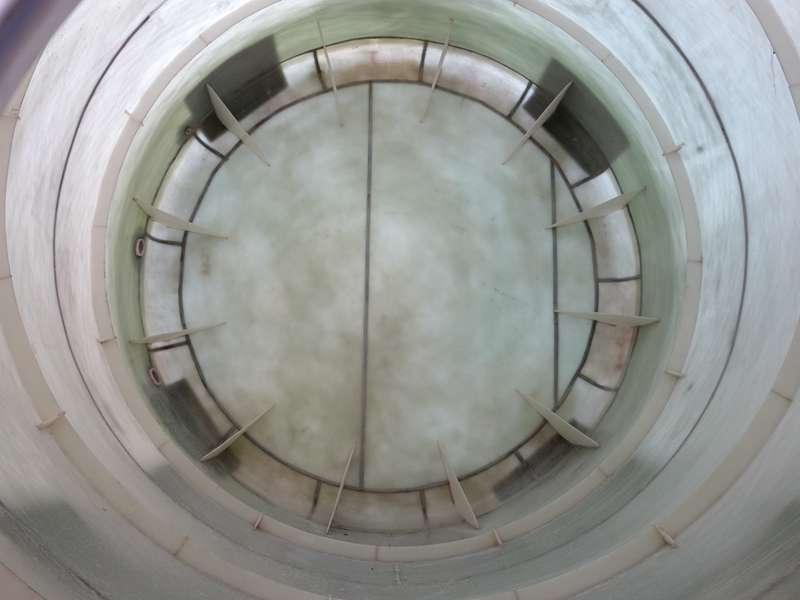
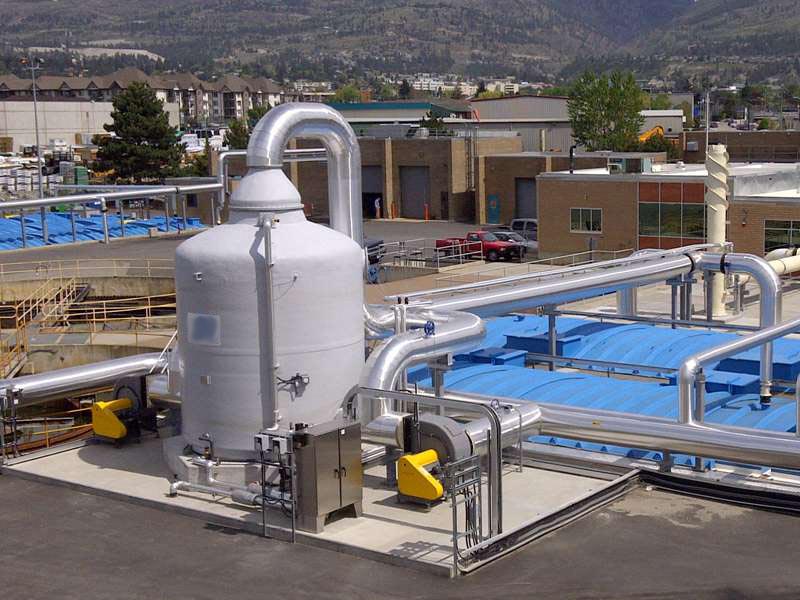
Thanks to specialized resin systems and fiber impregnation, these products withstand acids, alkalis, solvents, and hydrocarbons, making them ideal for chemical processing tanks or scrubbers.
3. Structural Strength
Fiber reinforcements distribute stresses, ensuring that these products maintain structural integrity during temperature swings or loading cycles.
4. Scalability
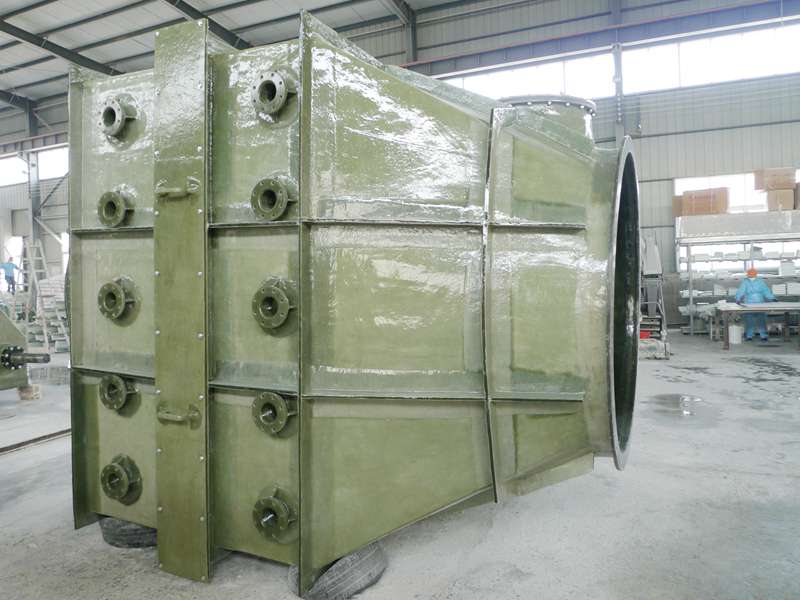
The manufacturing process allows for customized sizes and shapes, enabling use in everything from large storage tanks to intricate piping systems.
5. Cost Efficiency
Although initial investment may be higher than metals, low maintenance and reduced replacement frequency improve lifecycle economics significantly.
FRP Dual Lamination Product Specifications
| Specification | Typical Range / Value | Remarks |
|---|---|---|
| Laminate Thickness | 3 mm – 15 mm | Depends on application |
| Tensile Strength | 400 – 700 MPa | Varies with fiber type |
| Chemical Resistance | High | Resistant to acids, solvents |
| Thermal Stability | -40°C to 120°C | Application specific |
| Weight | ~1.8 g/cm³ | Lightweight compared to metals |
Global Applications & Real-World Use Cases
Oddly enough, these materials show up in sectors and regions you might not immediately think of:
- Water treatment plants in Southeast Asia deploy dual laminated FRP tanks and pipes to combat corrosion from acidic water flows.
- Chemical processing facilities in Europe rely on FRP laminates for scrubbers and storage vessels resistant to harsh reagents.
- Oil and gas platforms in the Gulf of Mexico use FRP dual lamination products to reduce maintenance downtime caused by saltwater corrosion.
In post-disaster relief operations, modular FRP dual lamination components assemble quickly to form temporary but robust containment or shelter units, making a difference where time is critical.
frp dual lamination product truly crosses global borders and industrial lines.
Advantages & Long-Term Value
The tangible upside? It’s a classic win-win. You get reduced maintenance costs, fewer replacements, lighter installations, and that ever-important chemical resistance. But beyond numbers lie the emotional benefits, like safety—FRP laminates provide peace of mind in volatile environments.
Imagine trusting your storage facility won’t leak hazardous chemicals into the environment. That’s social responsibility—and innovation working side by side.
Future Trends & Innovations in FRP Dual Lamination
The field isn’t standing still. Innovations on the horizon include greener resins derived from bio-based sources, improving sustainability footprints. Digital manufacturing techniques, like automated layup and quality monitoring, promise to reduce human error and standardize product quality.
Some firms are exploring additive manufacturing combined with FRP dual lamination to produce complex, lightweight parts customized for aerospace or automotive uses.
Challenges & Solutions
No tech is perfect, so what holds FRP dual lamination products back?
- Cost barrier: Initial costs are higher than traditional alternatives. Solution: Lifecycle costing analyses help highlight long-term savings.
- Repair complexity: Damage can be harder to detect. Solution: Emerging NDT (non-destructive testing) methods improve inspection.
- Environmental skepticism: Some question the recyclability. Solution: Research into recyclable or biodegradable laminates is underway.
Vendor Comparison: Leading FRP Dual Lamination Providers
| Vendor | Material Quality | Customization | Global Reach | Typical Applications |
|---|---|---|---|---|
| JRain Composite | Premium resin systems | High (custom shapes & sizes) | Asia-Pacific, Intl. | Water tanks, pipes, scrubbers |
| FibroLam Inc. | Standard industrial grade | Medium | North America, Europe | Chemical processing |
| EcoLam Solutions | Bio-resin enhanced | Growing | Europe, Asia | Sustainable infrastructure |
FAQ: Frequently Asked Questions About FRP Dual Lamination Products
Q1: How does dual lamination improve chemical resistance compared to single-layer FRP?
A1: Dual lamination creates two protective resin-fiber layers, enhancing barrier properties and decreasing permeability. This layering better prevents chemical penetration and extends service life, especially under aggressive conditions.
Q2: Are FRP dual lamination products suitable for outdoor applications?
A2: Absolutely. The top layer often includes UV-resistant resins and additives, ensuring the material withstands sunlight, rain, and temperature fluctuations without degradation.
Q3: What is the typical lifespan of an FRP dual lamination product?
A3: With proper maintenance, these products can last 15-25 years or more, depending on operating conditions—far longer than many conventional metals prone to corrosion.
Q4: Can these products be customized for complex shapes?
A4: Yes, the manufacturing process allows tailoring to specific sizes and shapes to fit unique industrial needs, reducing installation challenges.
Conclusion
In real terms, understanding the value of FRP dual lamination products means recognizing a material solution that offers longevity, safety, and efficiency in environments where failure simply isn’t an option. From global chemical plants to humanitarian relief, these composites stand at the intersection of innovation and resilience.
If you’re curious about how these products can integrate into your projects or operations, I recommend visiting JRain’s official site for detailed specs, custom solutions, and expert consultation.
It’s one thing to read about material properties—but seeing how they enable real-world applications? That’s where the insight truly lands.
Mini takeaway: FRP dual lamination products combine layered construction to defeat corrosion and provide a tailored, durable solution across industries—a growing necessity in a world demanding longevity and responsible design.
Latest news
-
Industrial High Pressure Fiberglass Pipe Guide and Technical SpecsNewsApr.16,2026
-
Industrial Storage Guide for Fiberglass Chemical TanksNewsApr.09,2026
-
Explore Durable and Customizable Custom Fiberglass Tanks for Your IndustryNewsApr.07,2026
-
Comprehensive Guide to Fiberglass Roof Tanks for Liquid Storage SolutionsNewsApr.04,2026
-
Comprehensive Guide to Durable and Corrosion Resistant Glass Fiber TanksNewsMar.31,2026
-
Comprehensive Guide to Tank Fiberglass Solutions and Their Diverse ApplicationsNewsMar.28,2026