

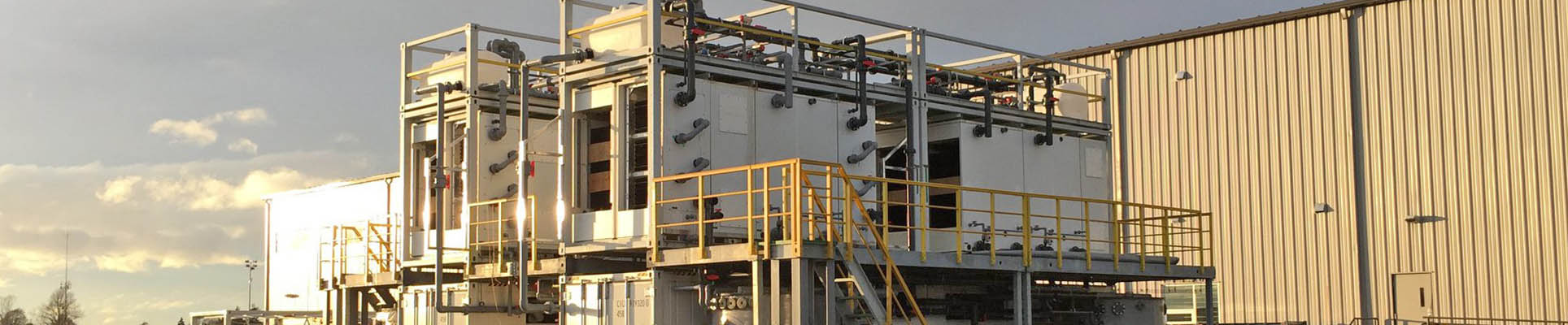

What is an FRP Vessel? Benefits, Applications, and Industry Insights
Understanding the FRP Vessel: A Durable Solution for Modern Industry
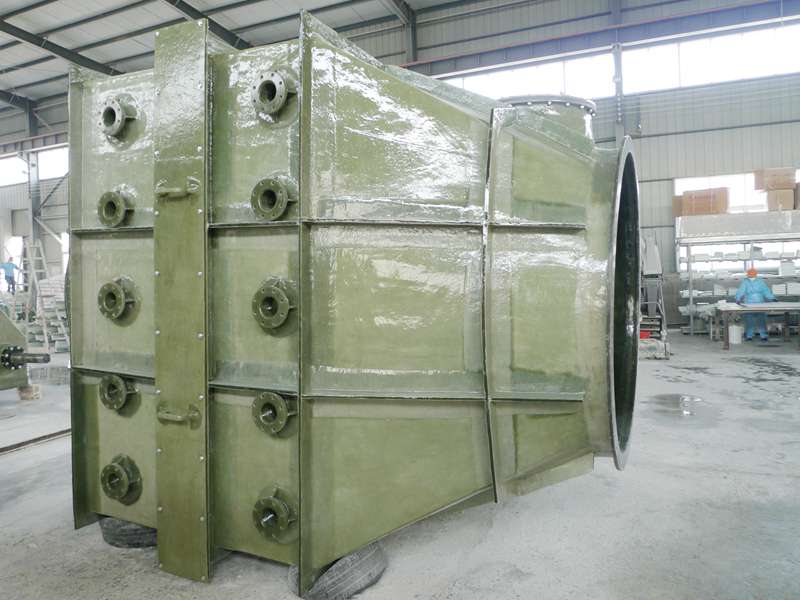
FRP vessels have quietly become a cornerstone in sectors like water treatment, chemical storage, and industrial processing worldwide. But what exactly are these vessels? And why should industries and governments care on a global scale? These composite containers—constructed primarily using fiberglass reinforced plastics—offer resilience, cost efficiency, and sustainability benefits that traditional steel or concrete tanks often cannot. Their growing importance aligns with increasing global environmental regulations and the need for robust containment solutions.
Introduction: The Global Relevance of FRP Vessels
Worldwide, the demand for reliable, lightweight, and corrosion-resistant storage units is rising sharply. According to ISO standards for industrial safety, corrosion in metal tanks is responsible for a significant percentage of storage failure incidents annually. Moreover, the World Bank reports increasing investment in water and wastewater management in emerging economies, which depend heavily on durable vessels for infrastructure. FRP vessels answer this challenge by minimizing maintenance downtime and extending service life. I suppose, though, their biggest untapped potential might lie in disaster-prone regions where rapid deployment and reliability are essential.
What Is an FRP Vessel?
In simple terms, an FRP vessel is a container made from fiberglass-reinforced plastic — a composite material combining a polymer matrix with reinforcing fibers. This structure offers a remarkable balance of strength and flexibility. Industries use FRP vessels to store liquids such as chemicals, potable water, and even hazardous substances safely. The modern push towards sustainability means these vessels increasingly support humanitarian relief, clean water access, and eco-friendly industrial processes.
Key Factors Behind FRP Vessel Popularity
Strength and Durability
FRP vessels resist corrosion, chemical attack, and physical stress better than many metals. This means they last longer in harsh environments — like coastal plants or chemical factories—where rust and deterioration would typically cause failure.
Lightweight Nature
Compared to steel, these vessels are significantly lighter, easing transportation and installation logistics—especially vital in remote industrial zones or emergency setups.
Cost Efficiency
Lower maintenance and a longer lifespan translate to tangible savings. While initial costs can sometimes seem higher than conventional tanks, the total cost of ownership typically favors FRP vessels.
Customization and Scalability
The manufacturing process allows tailored shapes, sizes, and thicknesses to meet precise needs, from small portable tanks to large storage facilities.
Environmental Sustainability
FRP's resistance to leakage reduces environmental contamination risk, and many manufacturers now incorporate recycled fibers into production—a nod towards greener practices.
FRP Vessel Specifications
| Specification | Typical Range |
|---|---|
| Material | Fiberglass Reinforced Polyester / Vinyl Ester |
| Corrosion Resistance | Excellent - Suitable for acids, alkalis, salts |
| Temperature Range | -40°C to 120°C (-40°F to 248°F) |
| Pressure Rating | Up to 4 bar (60 psi) |
| Typical Lifespan | 20 - 30 years (with proper maintenance) |
Mini takeaway: FRP vessels are defined by their resilience, adaptability, and long lifespan — making them indispensable in industrial and humanitarian contexts.
Global Applications & Use Cases
From the bustling chemical plants of Europe to the expanding water purification projects in Africa, FRP vessels serve countless roles:
- Water treatment plants: Safe storage and processing tanks, meeting WHO standards for potable water.
- Wastewater management: Resistant tanks enable longer periods between maintenance cycles.
- Chemical industries: Storage for volatile and corrosive substances without metal corrosion risks.
- Disaster relief: Quick-deploy containers provide safe water storage in remote or damaged areas.
Oddly enough, some NGOs are now adopting frp vessel solutions to improve sanitation infrastructure in refugee camps. It’s a practical, life-sustaining choice.
Vendor Comparison Table: Leading FRP Vessel Manufacturers
| Vendor | Material Options | Customization | Warranty | Lead Time |
|---|---|---|---|---|
| JRAIN FRP | Polyester, Vinyl Ester | High – bespoke shapes & sizes | 7 years | 4-6 weeks |
| GlobalFiberglass Inc. | Polyester | Medium – standard sizes | 5 years | 6-8 weeks |
| FibroTech Solutions | Vinyl Ester, Epoxy | Low – catalog only | 3 years | 3-5 weeks |
Mini takeaway: When selecting an FRP vessel vendor, consider warranty, customization level, and lead times to best fit your project requirements.
Advantages and Long-Term Value
At their core, FRP vessels offer peace of mind. Their corrosion resistance means fewer leaks, translating to safer environments and less environmental damage. The cost savings are clear: less downtime, fewer repairs, and a longer usable life. On a more intangible level, there’s something reassuring about equipment that reliably performs in tough conditions. It fosters trust among operators, engineers, and regulators alike. I’ve noticed that many engineers advocate for FRP vessels because they represent innovation matured into dependable technology.
Future Trends & Innovations
Looking forward, the FRP vessel industry is buzzing with new ideas. The integration of nanomaterials promises to make vessels even lighter and stronger. Renewable resin sources are also on the rise, reducing carbon footprints. Plus, digital twins and IoT-enabled sensors are beginning to monitor vessel health in real-time—a game-changer for predictive maintenance. This aligns perfectly with global sustainability goals championed by ISO and the UN, focusing on green infrastructure. It feels like FRP vessels are on the cusp of another evolution, making them not just containers but smart assets.
Challenges and Solutions
FRP vessels aren’t without challenges. UV exposure can degrade the surface resin over time, requiring protective coatings or periodic inspection. Some industries hesitate due to unfamiliarity with installation or repair techniques compared to traditional metals. However, expert training, standardized quality certifications, and evolving material science are steadily narrowing these gaps. In practice, companies like JRAIN FRP provide extensive support to address these issues.
FAQ: Frequently Asked Questions About FRP Vessels
- How do FRP vessels compare to steel tanks in corrosive environments?
FRP vessels outperform steel tanks in corrosive settings due to their inherent corrosion resistance, reducing maintenance and risk of failures. - Can FRP vessels be customized to unusual shapes or sizes?
Yes, one major advantage is flexibility in design. Manufacturers can tailor vessels to specific user needs, from small portable tanks to large tanks with complex geometries. - What is the typical lifespan of an FRP vessel?
When properly maintained, FRP vessels typically last between 20 to 30 years, significantly longer than many traditional storage options. - Are FRP vessels environmentally friendly?
They reduce leakage risks and some manufacturers use recycled materials. Also, lightweight design lowers transportation emissions, but end-of-life recycling needs improvement. - How quickly can FRP vessels be delivered for emergency projects?
Depending on customization level, many suppliers can deliver within 4-8 weeks, making them suitable for rapid deployment scenarios.
Conclusion
To sum up, frp vessel technology presents a robust, economically sensible, and sustainable choice for a vast array of industrial and humanitarian needs. Its blend of strength, versatility, and longevity ensures it will keep shaping how we safely store and manage fluids worldwide. If you’re exploring durable storage solutions, I encourage you to check out the latest offerings at JRAIN FRP—it’s a game-changer you’ll want to consider.
Oddly enough, embracing FRP solutions often feels like choosing resilience itself—something indispensable in today’s world.
References
Latest news
-
Industrial High Pressure Fiberglass Pipe Guide and Technical SpecsNewsApr.16,2026
-
Industrial Storage Guide for Fiberglass Chemical TanksNewsApr.09,2026
-
Explore Durable and Customizable Custom Fiberglass Tanks for Your IndustryNewsApr.07,2026
-
Comprehensive Guide to Fiberglass Roof Tanks for Liquid Storage SolutionsNewsApr.04,2026
-
Comprehensive Guide to Durable and Corrosion Resistant Glass Fiber TanksNewsMar.31,2026
-
Comprehensive Guide to Tank Fiberglass Solutions and Their Diverse ApplicationsNewsMar.28,2026