



Comprehensive Guide to FRP Insulation Tanks: Benefits, Applications, and Future Trends
Understanding FRP Insulation Tanks: Durable Solutions for Modern Industry
At first glance, "frp insulation tank" might sound like some niche industrial jargon. But when you dig deeper, these tanks have quietly become pivotal across many sectors worldwide. They aren't just containers; they're engineered to safely store or transport liquids and chemicals while minimizing heat loss or gain. Given today's global drive toward efficiency and sustainability, knowing about frp insulation tank technology truly matters—whether you're in manufacturing, environmental management, or humanitarian aid.
Global Context: Why FRP Insulation Tanks Are Gaining Momentum
Surface data from organizations like the International Standards Organization (ISO) and UN Industrial Development reports show a growing demand for energy-efficient containment systems globally. Whether it's in Asia's booming chemical industries or Africa's expanding water storage needs, using materials that combine strength and insulation is a game-changer. Frankly, the traditional metal tanks often fall short when it comes to corrosion resistance or insulation quality, driving industries to pivot toward FRP (Fiber Reinforced Plastic) solutions.
But the story isn’t just about industry; it’s about how these tanks address big challenges: controlling temperature, preventing contamination, reducing energy costs, and ensuring safety in harsh environments. Oddly enough, the better we understand these tanks, the better prepared we are to handle everything from environmental protection to disaster relief.
What Exactly Is an FRP Insulation Tank?
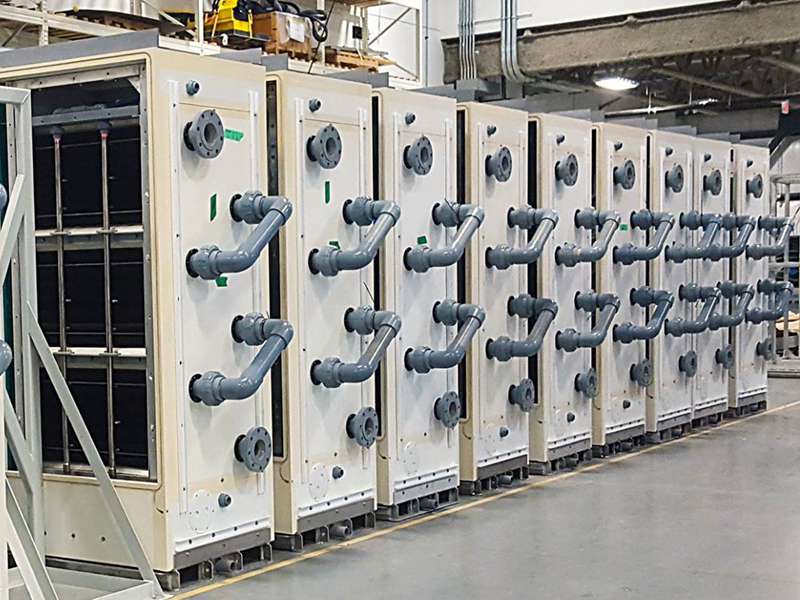
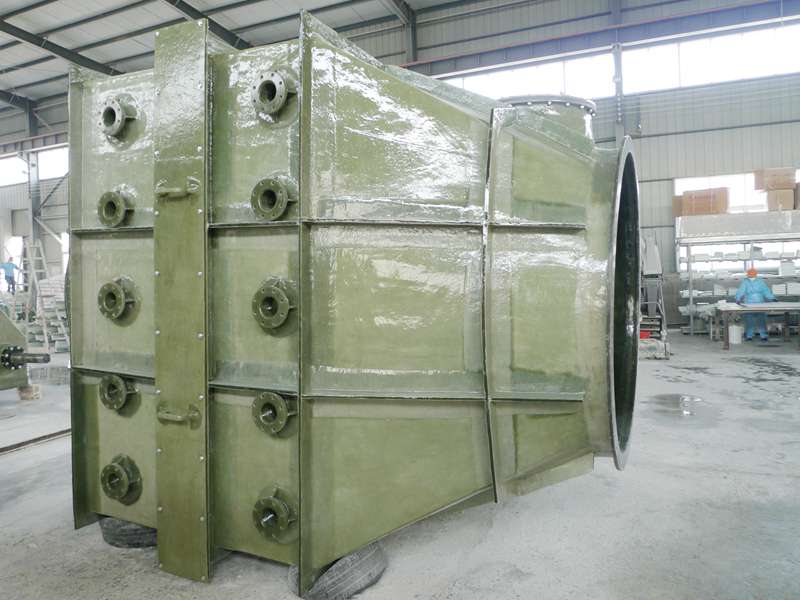
Simply put, an FRP insulation tank is a storage vessel made of fiber-reinforced plastic—a composite material typically combining glass fibers with resin—designed with an insulating layer to maintain stable temperatures inside. Unlike traditional metal tanks that can rust or warp, FRP tanks are lightweight yet highly resistant to chemicals, weather, and thermal fluctuations.
From storing potable water in remote villages to housing volatile chemicals in industrial zones, these tanks meet modern needs thanks to their durability and adaptability.
Key Features That Define FRP Insulation Tanks
- Durability: FRP tanks resist corrosion and degradation much better than steel, especially in harsh chemical or saline environments.
- Thermal Insulation: The insulating layers prevent heat loss or gain, ensuring stored substances remain within required temperature ranges.
- Lightweight Design: This eases transport and installation in remote areas or on difficult terrain.
- Customization and Size Flexibility: They come in various sizes and shapes, tailored to specific industrial or humanitarian applications.
- Cost Efficiency: While upfront costs may sometimes be higher, lower maintenance and longer lifespans ultimately save money.
- Environmental Compatibility: Their inert materials mean fewer contaminants leach in or out, protecting ecosystems.
Practicality often boils down to these strengths. For instance, in a factory setting, the tank’s resistance to corrosive chemicals vastly reduces downtime.
Product Specifications at a Glance
| Feature | Specification |
|---|---|
| Material | Glass Fiber Reinforced Polyester Resin |
| Thermal Insulation Thickness | 50 - 150 mm (varies by model) |
| Capacity | 500 - 50,000 liters |
| Temperature Range | -40°C to +120°C |
| Average Lifespan | 20 - 30 years |
| Certifications | ISO 9001, ASTM D4097 |
Mini Takeaway: FRP insulation tanks stand out due to their versatile construction that balances strength with insulation, designed to tackle modern industrial challenges.
Comparing Leading FRP Insulation Tank Vendors
| Vendor | Primary Market | Customization Options | Typical Lead Time | Warranty |
|---|---|---|---|---|
| Jrain FRP Solutions | Industrial & Water Storage | Full customization on size, insulation, fittings | 4-6 weeks | 10 years |
| FiberStor Inc. | Chemical & Oil Sector | Standardized models, limited customization | 6-8 weeks | 8 years |
| Global Poly Tanks | Water & Food Industries | Medium range customization | 5-7 weeks | 7 years |
Applications: Where and How FRP Insulation Tanks Make a Difference
Globally, these tanks find homes in diverse arenas:
- Industrial Facilities: Chemical plants and refineries use them to safely store acids, solvents, and fuels. The insulation keeps stored materials stable while protecting workers from hazardous exposures.
- Water Supply Projects: Many remote communities depend on insulated FRP tanks for potable water storage—reliable even where electricity for temperature control is scarce.
- Disaster Relief & Humanitarian Aid: After earthquakes or floods, quickly deploying insulated tanks means storing clean water or fuel safely, a literal lifesaver.
- Food & Beverage Industry: Maintaining temperature-sensitive liquids like oils or syrups benefits from the insulating shells that FRP tanks offer.
For example, in post-disaster scenarios throughout Southeast Asia, NGOs have installed these tanks rapidly to ensure safe water supply, protecting health and dignity. Oddly enough, the lightweight nature makes it surprisingly quick to mobilize them—even by air.
Advantages and Long-Term Value of FRP Insulation Tanks
The benefits here aren’t just technical; they resonate on a human level too.
- Cost Savings: Reduced energy costs from thermal insulation plus minimal maintenance equals significant savings over decades.
- Sustainability: FRP’s longevity means fewer replacements, lowering environmental impact and waste generation.
- Safety and Trust: Chemical resistance and leak-proof design protect workers, communities, and ecosystems.
- Innovation: Integrating sensors or digital monitoring into tanks now opens new frontiers for remote inspection and management.
Logically and emotionally, investing in these tanks means peace of mind: knowing what’s inside is protected and that reliable performance can be counted on through inevitable challenges.
Future Trends: Innovations Shaping FRP Insulation Tank Technology
Looking ahead, several promising developments could transform the landscape:
- Green Insulating Materials: Incorporating bio-based resins or recycled fibers to further reduce the carbon footprint.
- Digital Twins: Using virtual models to predict performance, maintenance needs, and optimize usage.
- Smart Integration: More tanks will come with IoT-based temperature, pressure, and integrity sensors offering real-time alerts.
- Modular Designs: Enabling quicker field assembly and scalability, ideal for emergency setups or expanding facilities.
Challenges and Ways to Overcome Them
Even the best tech has its challenges. FRP insulation tanks sometimes face:
- Initial Cost Concerns: Some hesitate due to upfront costs versus traditional tanks. But, frankly, total lifecycle costs favor FRP.
- Installation Complexity: In remote areas, trained personnel may be scarce. Solution? Better training modules and local partnerships.
- Material Degradation Risks: Exposure to UV or extreme stress requires ongoing research into material longevity and protective coatings.
Experts recommend careful needs assessment early on and ongoing supplier collaboration to tailor solutions fitting exact conditions.
Frequently Asked Questions About FRP Insulation Tanks
Q: How long can an FRP insulation tank be expected to last in outdoor industrial use?
A: Most quality FRP insulation tanks have lifespans ranging from 20 to 30 years under normal conditions, especially if UV protective coatings are applied. Proper maintenance extends this span significantly.
Q: Are FRP insulation tanks environmentally friendly compared to metal tanks?
A: Yes, they typically have a smaller environmental footprint due to longer service life, corrosion resistance, and energy-efficient insulation properties—resulting in less frequent replacements and lower energy use.
Q: Can these tanks be customized for specific chemicals or temperatures?
A: Absolutely. FRP tanks can be engineered with different resins and insulation thicknesses to match required chemical compatibilities or thermal ranges, ensuring safe storage.
Q: How quickly can an FRP insulation tank be deployed for emergency relief?
A: Depending on size and customization, shipment and installation can occur within a few weeks. Their lightweight nature further speeds up handling and setup on-site.
Q: Where can I source reliable FRP insulation tanks for industrial projects?
A: Leading suppliers like Jrain FRP Solutions offer tailored options with solid warranties and global shipping—making them a trusted choice across sectors.
Conclusion: Why FRP Insulation Tanks Matter Now and Tomorrow
In real terms, owning a strong grasp of frp insulation tank technology is more than an industrial concern—it's about building resilient infrastructure that protects people, economies, and the planet. Their combination of efficiency, reliability, and adaptability shows why they're fast becoming the go-to choice worldwide.
If you want to discover more about these innovative tanks' potential for your operation or community, I suggest visiting https://www.jrain-frp.com—where solutions meet real-world challenges with expert insight.
Mini Reflection: It’s fascinating how a seemingly simple object like an insulated tank embodies so much engineering, sustainability, and hope for safer storage solutions worldwide.


Latest news
-
Industrial High Pressure Fiberglass Pipe Guide and Technical SpecsNewsApr.16,2026
-
Industrial Storage Guide for Fiberglass Chemical TanksNewsApr.09,2026
-
Explore Durable and Customizable Custom Fiberglass Tanks for Your IndustryNewsApr.07,2026
-
Comprehensive Guide to Fiberglass Roof Tanks for Liquid Storage SolutionsNewsApr.04,2026
-
Comprehensive Guide to Durable and Corrosion Resistant Glass Fiber TanksNewsMar.31,2026
-
Comprehensive Guide to Tank Fiberglass Solutions and Their Diverse ApplicationsNewsMar.28,2026