



What is an FRP Field Tank? Durable, Portable Storage Solutions Explained
Understanding the Importance of FRP Field Tanks in Modern Industry
When we talk about FRP field tanks, we’re really diving into a solution that’s quietly powering sectors globally—from industrial sites in remote deserts to emergency relief camps. But what’s behind these tanks, and why do they matter so much worldwide? In essence, FRP (Fiberglass Reinforced Plastic) field tanks are lightweight, durable storage containers that handle everything from water and fuel to chemicals with aplomb. Grasping their value is vital because these containers directly impact operational efficiency, environmental safety, and even humanitarian outcomes. Whether you’re managing an off-grid oil rig or setting up a refugee camp, understanding FRP field tanks can save you hassle, money, and sometimes, even lives.
Global Context: Why FRP Field Tanks Matter Now More Than Ever
In today’s interconnected world, storage solutions need to be reliable, safe, and adaptable. According to the United Nations, water scarcity affects over 2 billion people globally. Simultaneously, industries are expanding into increasingly challenging environments—take the remote mining operations in Australia or oilfields in West Africa. Here, quality storage tanks become mission-critical. Frankly, metal tanks often corrode or weigh down logistics efforts. Enter FRP field tanks: they’re corrosion-resistant, easy to transport, and maintain structural integrity under extreme conditions. The market — including government and private sectors — is pivoting towards these composite solutions to tackle storage challenges in a sustainable, cost-efficient manner.
Mini takeaway: FRP field tanks are not just industrial paraphernalia; they’re a practical response to global challenges in water storage, fuel containment, and chemical handling, especially in demanding environments.
What Exactly Is an FRP Field Tank?
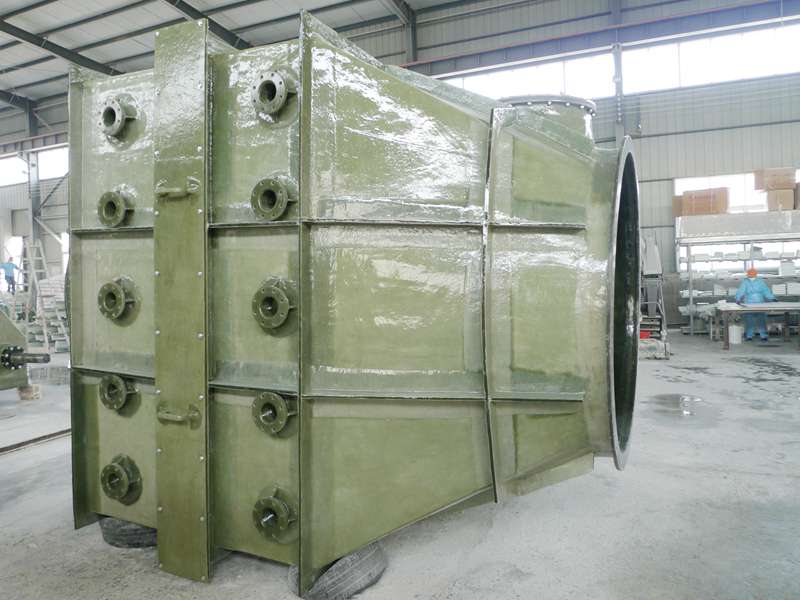
In simple terms, an FRP field tank is a storage tank made from fiberglass reinforced plastic—a composite of resin and glass fibers. This blend yields a tank that’s lightweight yet extraordinarily tough. By “field tank,” we mean units designed for on-site use outside traditional manufacturing plants or warehouses—think: construction fields, disaster zones, remote farms. Their resistance to corrosion and ability to handle chemicals make them indispensable in modern industrial contexts, as well as in humanitarian settings where quick deployment and durability count.
Key Factors That Make FRP Field Tanks Stand Out
Durability
FRP tanks can withstand harsh weather and resist corrosion from varied chemicals. Unlike metal tanks, they don’t rust, which means a longer lifespan even in salty coastal areas or chemical plants.
Lightweight & Portability
Transporting these tanks is easier and cheaper due to their lightness. This is a game changer in remote or disaster-stricken zones where heavy equipment slows down response times.
Cost Efficiency
Their maintenance costs tend to be lower than steel tanks. Less corrosion means fewer repairs and less downtime, saving both money and operational headaches.
Customization & Scalability
FRP tanks can be tailored in size, shape, and lining to fit specific needs—from potable water storage to hazardous chemical containment.
Environmental Safety
FRP tanks often conform to international standards (like ISO 9001), reducing the risk of leaks and contamination, which is critical in environmental protection efforts.
Mini takeaway: These composite tanks shine because they offer durability, cost savings, and customization—all factors that translate into real-world reliability.
Global Applications & Use Cases for FRP Field Tanks
- Disaster Relief Operations: In places affected by floods or earthquakes, rapid water storage and distribution are vital. FRP tanks can be deployed quickly and ensure safe water provision to thousands.
- Oil & Gas Industry: Remote drilling sites rely on FRP storage for fuel, avoiding corrosion-related failures that could cause environmental damage.
- Agriculture: In arid regions, farmers use FRP tanks to store irrigation water, improving crop resilience and efficiency.
- Military & Remote Construction: Camps equipped with these tanks enjoy safe storage of fuels and chemicals, supporting long-term operations in harsh conditions.
Oddly enough, many humanitarian agencies have been quick to adopt FRP tanks due to their reliability and easy setup. For more detailed specs and suppliers, see frp field tank.
FRP Field Tank Product Specifications
| Feature | Specification | Benefit |
|---|---|---|
| Material | Fiberglass Reinforced Plastic (FRP) | Corrosion resistance & lightweight |
| Capacity Range | 500 - 50,000 liters | Adaptable for small and large applications |
| Temperature Tolerance | -40°C to 80°C | Suitable for diverse climates |
| Compliance | ISO 9001, ASTM standards | Ensures safety & quality |
| Customization | Shape, size, fittings customizable | Tailored solutions for specific needs |
FRP Field Tank Vendors Comparison
| Vendor | Production Capacity | Customization Options | Global Reach | Warranty & Support |
|---|---|---|---|---|
| Jrain FRP | Large (up to 50,000 L) | Extensive (custom sizes/shapes) | Global (Asia, Africa, Americas) | 5 years + 24/7 support |
| Fiberglass Solutions Co. | Medium (up to 20,000 L) | Moderate (standard sizes) | Regional (Europe, Middle East) | 3 years + weekday support |
| Composite Tanks Ltd. | Small (up to 10,000 L) | Limited (predefined models) | Local (North America) | 2 years + email support |
The Advantages & Long-Term Value of FRP Field Tanks
Besides the obvious mechanical benefits, FRP tanks carry emotional and social weight. They’re trustworthy—hard to fail when properly maintained—which matters when lives and livelihoods depend on reliable water or fuel access. The cost-effectiveness stretches beyond just initial purchase: lower transport weight reduces fuel consumption, a small but not insignificant sustainability gain. Plus, their role in humanitarian contexts fosters dignity, providing safe water or fuel storage where infrastructure is absent. All in all, these tanks combine innovation with trust.
Emerging Trends & Innovations in FRP Field Tanks
The industry is evolving, embracing greener resins and enhanced digital monitoring—yes, some tanks are now smart, equipped with sensors to remotely check fluid levels and detect leaks before they escalate. Add in automation and eco-friendly materials, and the future’s looking brighter. Companies like Jrain FRP are already pilot-testing solar-powered treatment units attachable to tanks, which could revolutionize water purification in the field.
Challenges & Expert Solutions
No tech is without its bumps. One common worry with FRP tanks is the risk of damage from impact or UV degradation over years. Experts recommend protective coatings and strategic placement to minimize these issues. Another challenge: custom tanks can sometimes involve longer lead times. The solution? Building an agile supply chain and maintaining inventory of standard sizes reduces delays. As materials improve, durability and lifespan continue to climb.
FAQ: Frequently Asked Questions about FRP Field Tanks
- How long do FRP field tanks typically last?
- With proper maintenance, FRP tanks last anywhere from 15 to 30 years, depending on exposure and usage conditions. Their corrosion resistance significantly extends lifespan compared to traditional steel tanks.
- Are FRP tanks suitable for storing drinking water?
- Yes, FRP tanks designed for potable water conform to health and safety standards (NSF/ANSI 61). They don’t leach harmful chemicals and can be customized with food-grade liners.
- Can FRP tanks be transported easily in rugged terrain?
- Absolutely. Their lightweight nature makes road transport more economical and safer, especially in difficult terrains where heavy steel tanks pose logistical challenges.
- How customizable are FRP field tanks?
- Very customizable. From their dimensions and fittings to the type of resin or lining, manufacturers offer tailored solutions to meet specific chemical compatibility or operational needs.
- What environmental certifications do FRP tanks have?
- Many FRP tanks comply with ISO 9001 quality management and ASTM standards for material safety. Increasingly, manufacturers pursue eco-labels reflecting green resin technology and sustainable production practices.
Conclusion: Why Choose FRP Field Tanks?
Choosing the right field tank is more than just a technical decision—it’s about ensuring safety, reliability, and cost-effectiveness under demanding conditions. FRP field tanks strike a rare balance between durability, portability, and environmental responsibility. Long-term, they’re an investment in operational success and humanitarian impact alike. Curious to explore detailed options? Visit our website to see how these tanks can transform your projects.
In a world where storage failures can have serious consequences, FRP field tanks stand as a quiet, resilient backbone for industries and communities alike.
References


Latest news
-
Industrial High Pressure Fiberglass Pipe Guide and Technical SpecsNewsApr.16,2026
-
Industrial Storage Guide for Fiberglass Chemical TanksNewsApr.09,2026
-
Explore Durable and Customizable Custom Fiberglass Tanks for Your IndustryNewsApr.07,2026
-
Comprehensive Guide to Fiberglass Roof Tanks for Liquid Storage SolutionsNewsApr.04,2026
-
Comprehensive Guide to Durable and Corrosion Resistant Glass Fiber TanksNewsMar.31,2026
-
Comprehensive Guide to Tank Fiberglass Solutions and Their Diverse ApplicationsNewsMar.28,2026