



Comprehensive Guide to FRP Field Tanks: Durable, Lightweight Liquid Storage Solutions
Understanding the FRP Field Tank and Its Global Importance
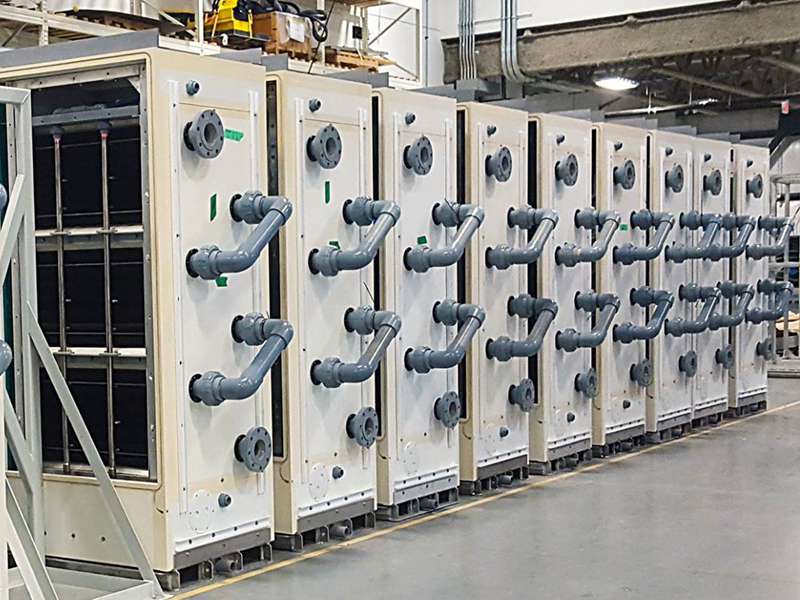
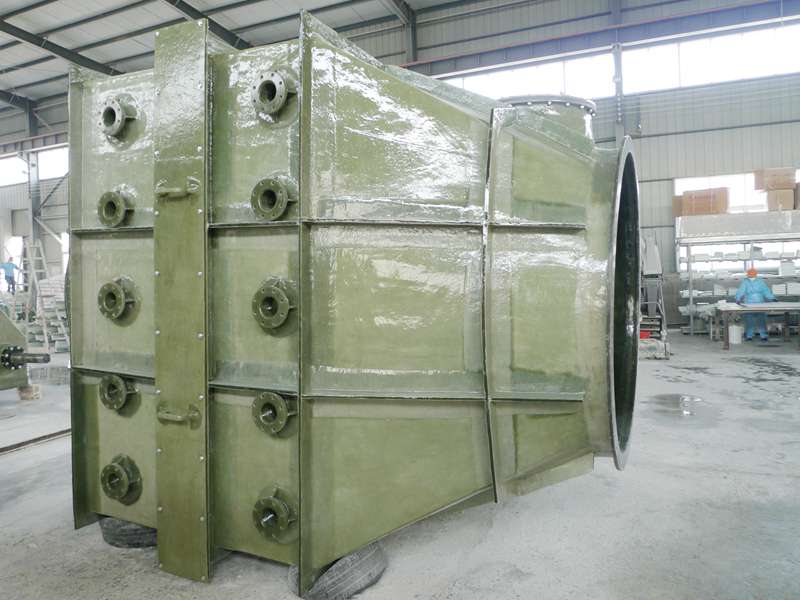
When you first hear the term frp field tank, it might sound like some industrial jargon that’s a little distant. But, frankly, understanding what these tanks are — and why they matter on a global scale — is quite valuable. They are helping transform industries, disaster relief, and remote infrastructure worldwide. In simple terms, an FRP (Fiber Reinforced Polymer) field tank is a storage solution, commonly for water or chemicals, made with composite materials that make it lightweight, highly durable, and resistant to corrosion.
Globally, as access to clean water and storage solutions becomes more critical, especially in developing regions and disaster-prone areas, having a reliable, scalable, and sustainable storage system can make all the difference. Here’s a closer look at why frp field tanks are gaining popularity and what sets them apart.
Introduction: The Worldwide Relevance of FRP Field Tanks
The global water storage market is vast and expanding. According to recent reports by the United Nations and the International Water Association, over two billion people lack safely managed drinking water services (Source 1). Many of these communities rely on temporary or makeshift storage, which often fails in harsh weather or long-term usage.
Here’s where frp field tanks come into play — they offer a modern, cost-effective, and robust alternative. Whether it’s industrial use, agriculture, or emergency relief, these tanks meet a pressing challenge: safe, efficient fluid storage without the hassles of rust, heavy weight, or structural fragility.
What is an FRP Field Tank?
Simply put, an FRP (Fiber Reinforced Polymer) field tank is a container designed for storing liquids, primarily water or chemicals, constructed using composite materials that combine fibers like glass with polymer resins. This construction gives it remarkable strength and resistance against corrosion, UV exposure, and cracking — problems typical with metal or conventional plastic tanks.
These tanks can be installed in the field, often in remote locations or temporary set-ups, which is why they’re called field tanks. Their applications range from providing clean water for a rural village to storing industrial liquids in a desert factory.
Key Features of FRP Field Tanks
Durability
One of the primary reasons these tanks stand out is their resilience against corrosion and environmental damage. Unlike steel, they don’t rust, and unlike many plastics, they don’t degrade quickly in UV light.
Lightweight and Portable
Their materials make them considerably lighter than metal tanks of similar size — so transportation and installation are far easier. This is huge when working in hard-to-reach or disaster-hit areas.
Cost Efficiency
Though initial costs might be slightly higher than some basic alternatives, their long lifespan and low maintenance translate into significant savings over time.
Customizable Sizes and Shapes
Because FRP tanks are molded, they can come in a variety of shapes and configurations, suited to specific site requirements, maximizing space and functionality.
Environmental Resistance
These tanks resist harsh chemicals and extreme temperatures, broadening where and how they’re used daily.
Typical Specifications of a Standard FRP Field Tank
| Specification | Details |
|---|---|
| Material | Glass Fiber Reinforced Polymer (GRP) |
| Typical Capacity Range | 500 to 50,000 liters |
| Corrosion Resistance | Excellent (chemical, UV, water) |
| Weight | Up to 70% lighter than steel tanks |
| Lifespan | 20-30 years with proper maintenance |
| Installation | Field assembly or factory prefabricated |
Global Applications and Use Cases for FRP Field Tanks
In real-world contexts, these tanks have found diverse applications. For example:
- Disaster relief and humanitarian aid: After floods or earthquakes, providing potable water is urgent. FRP field tanks, due to their lightweight and rapid deployment, become go-to solutions.
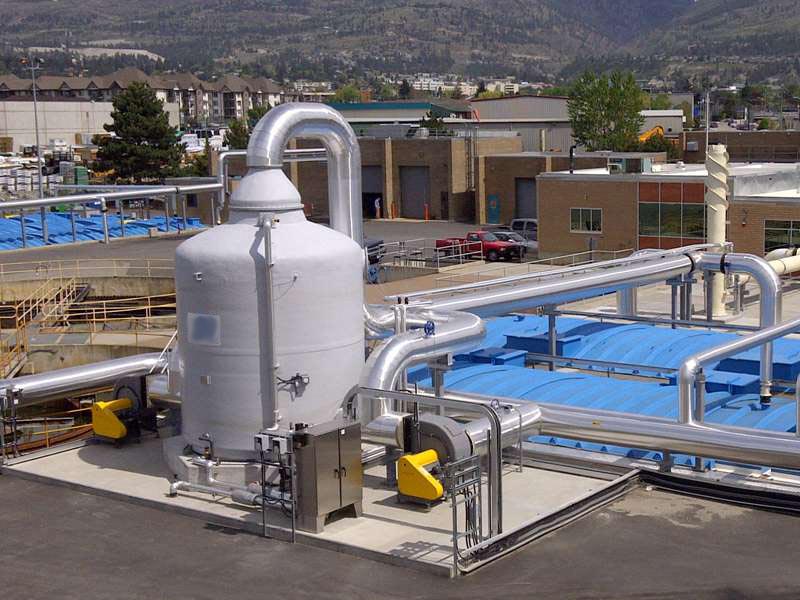
- Remote industrial zones: Oil, chemical, and mining operations rely on robust storage. FRP tanks’ chemical resistance and low maintenance make them ideal to survive extreme climates.
- Agricultural irrigation: Farmers use these tanks to store rainwater or fertilizers, especially in drought-prone regions.
- Military and field operations: Mobility and durability emphasize these tanks’ advantages in temporary bases and camps.
For instance, in parts of Sub-Saharan Africa, NGOs have deployed FRP tanks to villages lacking clean water infrastructure, significantly reducing waterborne diseases. Similarly, Middle Eastern oil fields prefer FRP tanks over traditional steel for reduced rust and maintenance.
Advantages and Long-Term Value of FRP Field Tanks
There’s more than just technical appeal here. FRP field tanks represent trust, safety, and sustainability. They keep stored liquids safe, protect the environment by minimizing leaks, and offer durability that means fewer replacements over time.
Logically, their reduced weight lowers transportation emissions. Emotionally, reliable water storage means dignity and health for vulnerable populations. For industries, avoiding costly downtime due to tank failure is invaluable.
Vendor Comparison: Leading FRP Field Tank Manufacturers
| Vendor | Capacity Range (L) | Material Quality | Warranty | Customization Options |
|---|---|---|---|---|
| JRain FRP | 500 - 50,000 | High-grade GRP | 10 years | Full |
| Global Composite Tanks | 1,000 - 40,000 | Standard GRP Mix | 7 years | Limited shapes |
| FiberTech Storage | 750 - 45,000 | Premium GRP Resin | 12 years | Extensive customization |
Future Trends and Innovations
Looking ahead, innovations in FRP tanks focus on sustainability and digital integration. For example, some manufacturers are experimenting with bio-based resins to reduce carbon footprints — a thoughtful shift aligning with the ISO 14001 environmental standards (Source 2). Others are embedding sensors inside tanks for real-time monitoring of fluid levels and structural integrity. This digital twist means less downtime and more proactive maintenance.
Plus, growing regulatory emphasis on clean water access and hazardous chemical containment encourages improved standards in design and materials, likely driving more innovation. Green energy-powered production facilities are also shaping this space.
Challenges and Expert Solutions
That said, FRP field tanks aren’t without challenges. Installation in extremely cold climates can cause brittleness unless special resins are used. Also, UV degradation over decades requires quality coatings or additives.
Experts suggest rigorous on-site testing, combined with carefully selected resin formulations, can significantly mitigate these issues. Plus, engaging experienced vendors with proven quality records (like JRain FRP) helps ensure you get the right tank for your exact needs.
FAQ: Common Questions About FRP Field Tanks
-
Q: How durable are FRP field tanks compared to steel?
A: FRP tanks typically last 20-30 years and resist corrosion better than steel, which can rust and degrade faster, especially in harsh environments. Maintenance is usually less intensive too. -
Q: Can FRP field tanks be used for drinking water storage?
A: Yes, when made with food-grade resins and properly tested, they are safe and widely used for potable water storage, especially in rural and disaster relief settings. -
Q: Are FRP tanks suitable for chemical storage?
A: Absolutely. Their chemical resistance to acids, alkalis, and solvents makes them a preferred choice in industrial sectors. -
Q: What is the typical installation time for an FRP field tank?
A: Depending on the size and site conditions, assembly ranges from a few hours to a couple of days, often quicker than traditional steel tanks.
Conclusion: Why Choose an FRP Field Tank?
To sum up, FRP field tanks offer a blend of durability, versatility, and sustainability unmatched by many traditional storage options. They aren’t just containers; they’re enablers of safe water access, efficient industry operations, and resilient infrastructure in challenging environments. For anyone looking to invest in reliable storage, they’re worth a second look.
If you want to explore detailed options or request custom configurations, do visit https://www.jrain-frp.com — they are a reputable supplier with decades of proven expertise.
Oddly enough, it’s these unsung heroes in storage technology that quietly support billions worldwide every day…
References


Latest news
-
Industrial High Pressure Fiberglass Pipe Guide and Technical SpecsNewsApr.16,2026
-
Industrial Storage Guide for Fiberglass Chemical TanksNewsApr.09,2026
-
Explore Durable and Customizable Custom Fiberglass Tanks for Your IndustryNewsApr.07,2026
-
Comprehensive Guide to Fiberglass Roof Tanks for Liquid Storage SolutionsNewsApr.04,2026
-
Comprehensive Guide to Durable and Corrosion Resistant Glass Fiber TanksNewsMar.31,2026
-
Comprehensive Guide to Tank Fiberglass Solutions and Their Diverse ApplicationsNewsMar.28,2026