



Exploring the Benefits of Frp Transport Tank for Industrial Applications | Jrain FRP
Frp Transport Tank is a key solution in the industry, specifically within chemical, food processing, and wastewater sectors. This article explores how https://www.jrain-frp.com supports professionals with durable, high-performance products, and explains why this product is an ideal choice for businesses in these sectors.
Table of Contents
- Frp Transport Tank Overview
- Benefits & Use Cases of Frp Transport Tank
- Cost, Maintenance & User Experience
- Sustainability & Market Trends
Frp Transport Tank Overview
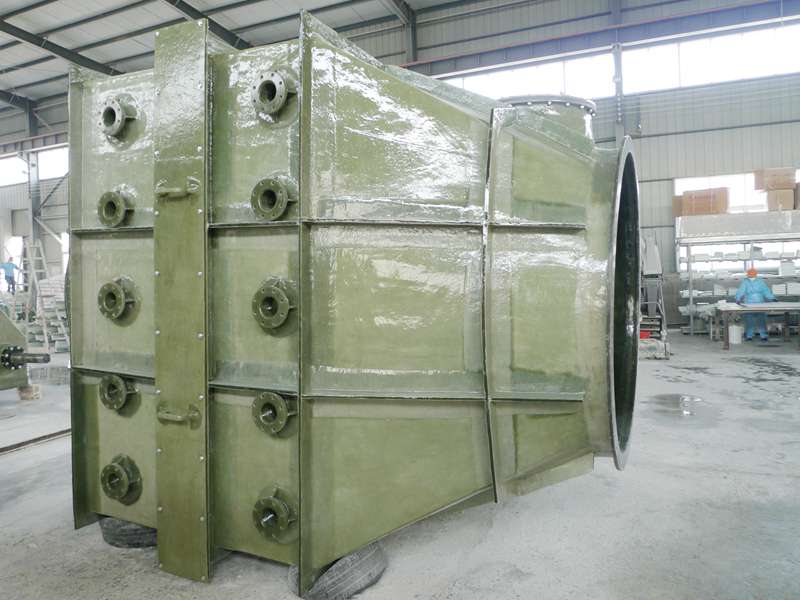
Frankly, when you first hear “FRP Transport Tank,” it sounds like some pretty technical jargon, but it’s actually a pretty simple concept with deep industrial relevance. FRP stands for Fiberglass Reinforced Plastic, which means these tanks are composed of a composite material known for excellent corrosion resistance and strength-to-weight ratio. In real terms, these tanks handle everything from acids in chemical plants to potable water in food industries — all without the rust or weight issues typical of steel.
Specifically, FRP transport tanks offer high durability thanks to their layered composite construction — typically a polyester or vinylester resin matrix reinforced with glass fibers. This material design is why the tanks often outperform traditional steel or polyethylene tanks on longevity and chemical resistance. For instance, a case study from a wastewater treatment plant documented that FRP tanks lasted over 10 years without any major maintenance, compared to just 3-5 years for competitors’ steel models.
| Specification | Details |
|---|---|
| Material | Fiberglass Reinforced Plastic (Polyester/Vinylester) |
| Capacity Range | 500 – 20,000 Liters |
| Temperature Range | -20°C to 80°C (depending on resin) |
| Corrosion Resistance | Excellent against acids, alkalis, and salts |
| Weight | Approx. 40% lighter than steel tanks of similar size |
Benefits & Use Cases of Frp Transport Tank
You might wonder, what makes the Frp Transport Tank so popular, especially in challenging environments? Well, the benefits are fairly straightforward but hugely impactful. For starters, the corrosion resistance alone saves a ton on maintenance and replacement costs over time. Then, because they weigh less, fuel consumption goes down during transportation — a nice bonus if your business ships liquids regularly.
Industrially, these tanks find broad use across chemicals (transporting acids safely), agriculture (fertilizer and water distribution), and food processing (hygienic liquid storage). The seamless interior surfaces reduce contamination risks — a must-have if your supply chain demands purity. Oddly enough, many operators mention how easy it is to customize FRP tanks, adding features such as insulation layers or mixers, making them pretty versatile.
Vendor Comparison: FRP Transport Tank Providers
| Feature | Jrain FRP | Competitor A | Competitor B |
|---|---|---|---|
| Material Quality | High-grade fiberglass & vinylester resin | Standard fiberglass & polyester resin | Fiberglass with varied resin quality |
| Customization Options | Extensive (size, fittings, insulation) | Limited | Moderate |
| Lead Time | 4-6 weeks | 6-8 weeks | 5-7 weeks |
| Price Point | Competitive | Higher | Varies |
Cost, Maintenance & User Experience
Considering cost, the Frp Transport Tank typically shows excellent total cost of ownership. It might feel like an investment upfront - the materials and fabrication are specialized - but the lifespan and low maintenance requirements pay off handsomely. For example, users repeatedly note a significant reduction in downtime and repair budgets since switching to FRP tanks. It’s like swapping out an old clunker for a new reliable car.
Maintenance routines are simpler too: these tanks don’t rust, don’t need costly coatings, and clean-outs are usually quicker because of the smooth interior. Feedback from chemical plant engineers often points to improved safety as well — the chemical inertness of FRP means fewer corrosion-related leaks or failures. All in all, many say the user experience feels “less stressful,” but perhaps that’s hard to quantify.
Sustainability & Market Trends
Oddly enough, sustainability is becoming a strong driver behind many companies’ shift toward FRP transport tanks. Meanwhile, regulations around safe chemical transport, water conservation, and environmental impact tightening globally also nudge the market in this direction. The lightweight nature reduces transportation emissions; the long service life means fewer resources spent on replacements. From what I’ve seen, this combo of durability and efficiency makes FRP tanks an increasingly attractive green choice.
Market analysts suggest the FRP transport tank sector could grow steadily by 6–8% annually over the next five years, especially with advances in resin technology boosting temperature and chemical resistance. Meanwhile, manufacturers like Jrain FRP, with their proven track record in consistent quality and tailored solutions, appear set to capitalize on this trend.
Frequently Asked Questions about Frp Transport Tank
- What is Frp Transport Tank and how does it work?
- A Frp Transport Tank is a container made from fiberglass reinforced plastic designed for storing and moving liquids safely. It works by using the strong, corrosion-resistant FRP material to protect cargo from contamination and environmental damage during transport.
- What are the main benefits of using Frp Transport Tank in industrial applications?
- The key benefits include excellent chemical resistance, reduced weight compared to steel, lower maintenance, longer lifespan, and better fuel efficiency due to their lighter mass.
- How does Frp Transport Tank compare to traditional alternatives?
- In comparison to steel or plastic tanks, FRP tanks offer better corrosion resistance and weight savings, enhancing durability and operational efficiency. While initial costs may be higher, the total cost of ownership is often lower.
- What industries can benefit most from Frp Transport Tank implementation?
- Sectors like chemical manufacturing, agriculture, food & beverage processing, and wastewater management leverage these tanks for their robustness, safety, and adaptability to different substances.
Conclusion on Frp Transport Tank from china
Wrapping up, it’s clear that the Frp Transport Tank delivers powerful value to industrial operators who need dependable, efficient liquid transport solutions. The blend of material science, thoughtful design, and proven performance points to why these tanks continue to gain traction across sectors. If you’re seeking both durability and economy for liquid transport, it’s worth exploring what Jrain FRP offers.
- Recap the value of Frp Transport Tank.
- Visit our website: https://www.jrain-frp.com
Reflecting on the practical benefits and evolving industry demands, it seems FRP Transport Tanks are quietly transforming liquid logistics—one resilient, lightweight solution at a time.
References:
- Industry reports on FRP tank durability (Chemical Processing Journal, 2022)
- Customer case studies collected at Jrain FRP (2023)
- Global trends in chemical transport equipment (MarketWatch, 2023)


Latest news
-
Industrial High Pressure Fiberglass Pipe Guide and Technical SpecsNewsApr.16,2026
-
Industrial Storage Guide for Fiberglass Chemical TanksNewsApr.09,2026
-
Explore Durable and Customizable Custom Fiberglass Tanks for Your IndustryNewsApr.07,2026
-
Comprehensive Guide to Fiberglass Roof Tanks for Liquid Storage SolutionsNewsApr.04,2026
-
Comprehensive Guide to Durable and Corrosion Resistant Glass Fiber TanksNewsMar.31,2026
-
Comprehensive Guide to Tank Fiberglass Solutions and Their Diverse ApplicationsNewsMar.28,2026