



FRP Chemical Tanks: Durable & Lightweight Storage Solutions
What Makes FRP chemical tanks a Go-To for Industrial Storage?
Having spent close to two decades working around industrial equipment—specifically in chemical processing plants—I’ve had my fair share of encounters with storage tanks that... frankly, tested patience more than they did performance. That’s what makes fiberglass reinforced plastic (FRP chemical tanks) stand out as something of an unsung hero in the sector.
Oddly enough, when I first saw an FRP tank in operation, I admit I was skeptical. After all, steel dominates so many specs because of strength alone, right? But FRP tanks have a peculiar way of quietly proving their worth—lightweight yet highly durable, resistant to corrosion, and remarkably customizable. It feels like they’ve solved problems that everyone else just accepts as inevitable headaches. In real terms: fewer leaks, less degradation, and, quite importantly, easier maintenance over time.
Let’s unpack what makes these tanks tick, and why businesses from chemical manufacturers to wastewater treatment plants swear by them.
Material and Construction Benefits
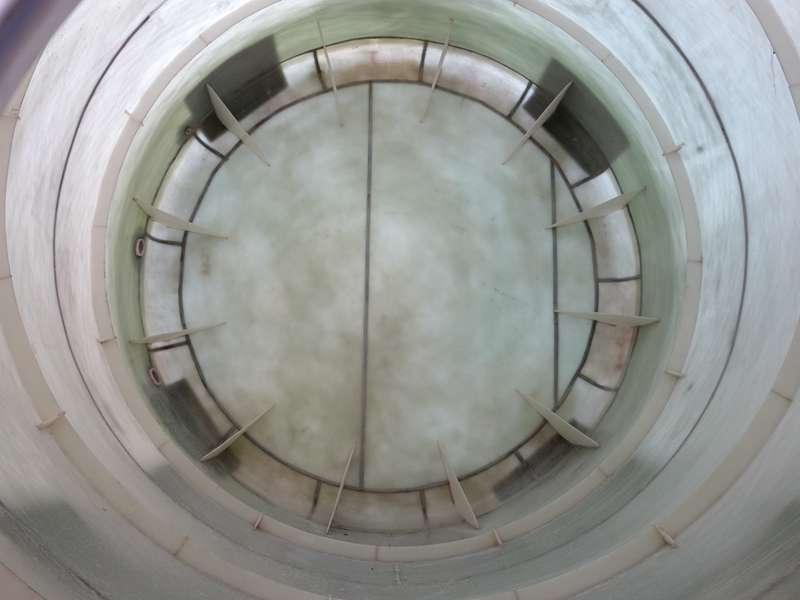
When you dig into FRP chemical tanks, the core advantage is the material itself: fiberglass strands embedded in a resin matrix. Unlike traditional steel, this composite doesn’t rust or corrode when exposed to harsh acids, alkalis, and solvents. Many engineers mention—sometimes with a hint of frustration at past equipment failures—that FRP’s resistance dramatically prolongs tank lifespan.
Another interesting point is the built-in flexibility. Sure, they're rigid, but the resin-fiberglass combination also accommodates slight stresses without cracking—a property that saves on costly repairs after temperature fluctuations or accidental impacts.
Design & Customization
The level of customization available is rather impressive, actually. I recall a client needing a tank for storing a highly corrosive liquid that standard sizes just couldn’t accommodate safely. The FRP solution was crafted with specific diameters, wall thicknesses, and even extra UV protective coatings. The client told me later they were surprised how straightforward and fast the process was—especially compared to welding large steel tanks on site.
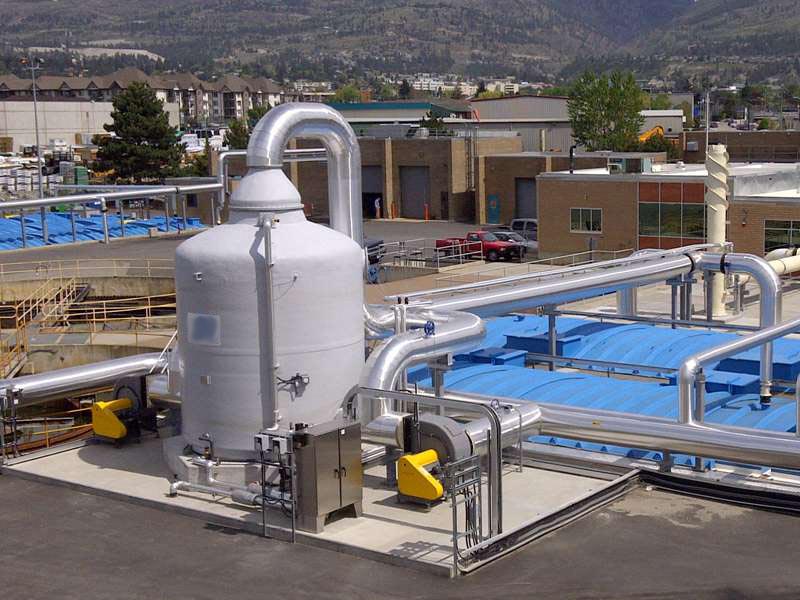
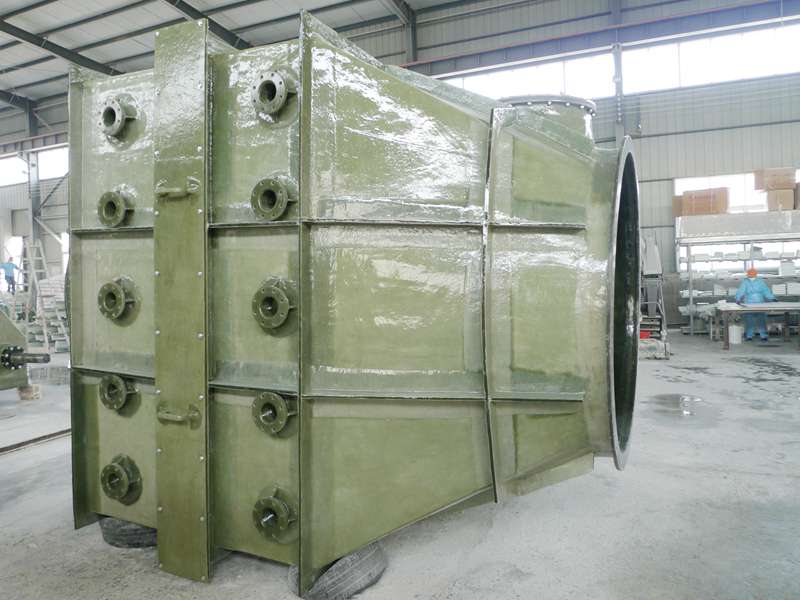
From vertical to horizontal models, open-top or closed, with various flange and nozzle options—FRP manufacturers offer adaptability that matches the often complex requirements of chemical processing plants.
Performance Specs at a Glance
| Specification | Typical Range / Value | Notes |
|---|---|---|
| Material | Fiberglass Reinforced Polyester or Vinyl Ester Resin | Depends on chemical resistance needs |
| Wall Thickness | 6 mm – 20 mm | Varies by tank size & pressure requirements |
| Capacity | 500 L – 100,000 L+ | Custom sizes available |
| Operating Temp. | -40°C to 120°C | Depends on resin type |
| Corrosion Resistance | Excellent | Especially vs acids & salts |
Choosing the Right Vendor: A Snapshot
One thing industry vets often stress is the importance of picking a reliable manufacturer. Not every FRP chemical tank is created equal; quality control, testing standards, and even after-sales support can vary wildly. Here’s a quick rundown of a few well-known options, based on my recent research and conversations within the industrial community:
| Vendor | Certification & Testing | Customization Options | Lead Time | Support & Warranty |
|---|---|---|---|---|
| Jrain-FRP | ISO 9001, ASTM compliant testing | Wide range, including custom sizes & resins | 4-6 weeks typical | Comprehensive warranty & tech support |
| FiberGlass Co. | Internal QA, limited third-party testing | Standard models only | 6-8 weeks | Basic warranty |
| ChemStorage Inc. | ISO certified, external testing | Customizable but pricier | 5-7 weeks | Extended warranty options |
In my experience—and I’ve seen this repeatedly—the sweet spot often lies with vendors like Jrain-FRP, whose blend of rigorous testing and customization options resonate with real-world industrial demands.
A Quick Client Anecdote
I once worked with a chemical recycling company which initially fought against switching from steel to FRP tanks because of upfront costs. But after a few months, they called to tell me those tanks handled harsh chemicals flawlessly and reduced downtime for repairs significantly. It’s anecdotes like these that frame why so many companies consider FRP tanks not just a replacement, but a genuine upgrade.
In summary, if you’re in industries that demand reliable storage solutions with resistance to chemical attack, lightweight design, and decent customization, giving thought to FRP chemical tanks feels more and more like the savvy move.
That’s my two cents after years roaming plants and seeing what lasts. And honestly, in a sector where surprises often mean unplanned expense, FRP tanks bring a certain peace of mind.
References:
- ASTM D3299 – Standard Specification for Filament-Wound Glass-Fiber-Reinforced Thermosetting-Resin Tanks
- ISO 9001 Quality Management for Industrial Manufacturers
- “Chemical Process Equipment” by Sinnot, 5th Edition (2019)


Latest news
-
Industrial High Pressure Fiberglass Pipe Guide and Technical SpecsNewsApr.16,2026
-
Industrial Storage Guide for Fiberglass Chemical TanksNewsApr.09,2026
-
Explore Durable and Customizable Custom Fiberglass Tanks for Your IndustryNewsApr.07,2026
-
Comprehensive Guide to Fiberglass Roof Tanks for Liquid Storage SolutionsNewsApr.04,2026
-
Comprehensive Guide to Durable and Corrosion Resistant Glass Fiber TanksNewsMar.31,2026
-
Comprehensive Guide to Tank Fiberglass Solutions and Their Diverse ApplicationsNewsMar.28,2026