



Comprehensive Guide to FRP Storage Tanks – Benefits, Uses & Future Trends
Understanding FRP Storage Tanks: Durable Solutions for Global Industrial Needs
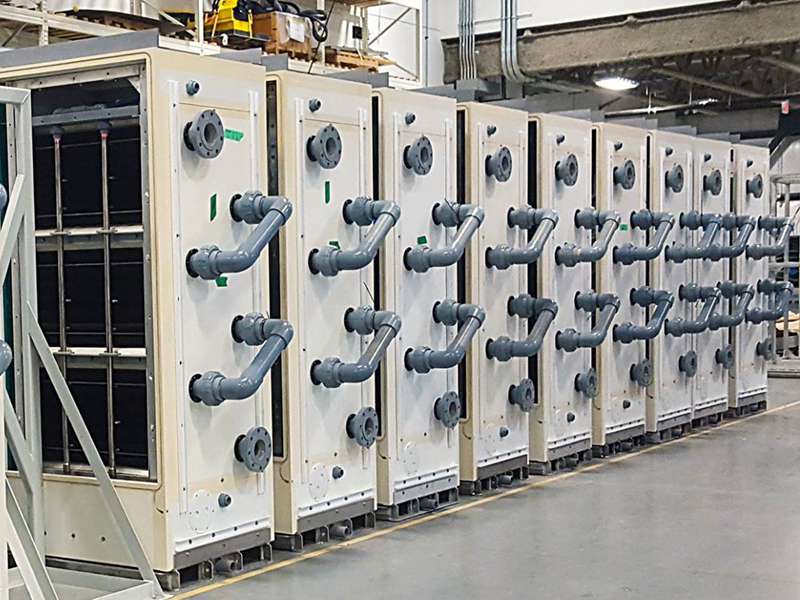
FRP storage tanks have quietly transformed how industries store and handle liquids, chemicals, and water worldwide. Frankly, these composite tanks combine lightweight design with impressive strength, offering advantages that traditional metal or concrete tanks sometimes can’t match. From chemical plants in Europe to remote water supply projects in Africa, frp storage tank technology fills a vital niche, especially in contexts demanding corrosion resistance, longevity, and quicker installation.
Why FRP Storage Tanks Matter Globally
According to the International Organization for Standardization (ISO), the global storage tank industry is witnessing steady growth, partly driven by increasing chemical manufacturing and expanding water treatment infrastructure worldwide.[1] The UN reports that over 2 billion people lack safely managed drinking water, emphasizing the need for dependable storage solutions in humanitarian and industrial projects alike.[2] FRP tanks help bridge this gap by providing scalable, corrosion-resistant reservoirs that resist the harshest environments.
However, challenges—like cost barriers and customization demands—still exist, pushing manufacturers and users to innovate constantly.
Defining FRP Storage Tanks
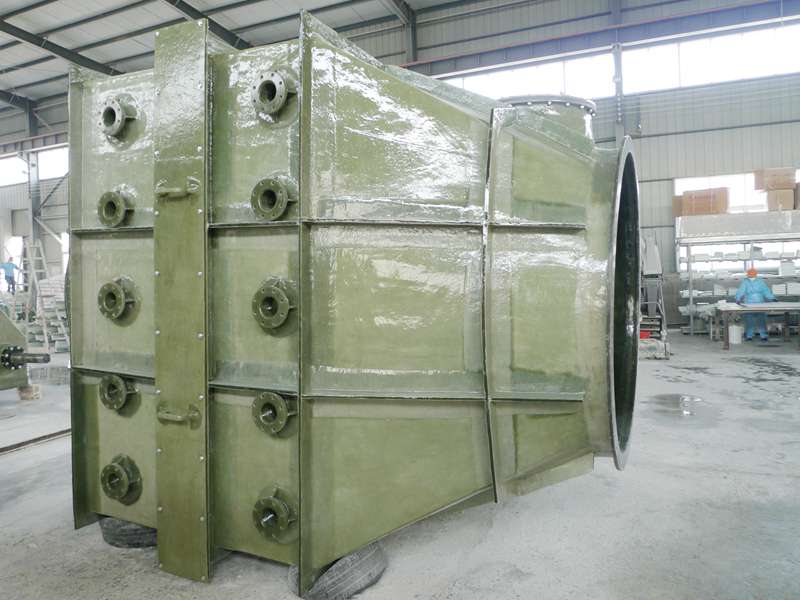
In plain terms, an FRP (Fiber Reinforced Polymer) storage tank is a container made by layering a polymer resin reinforced with strong fibers—typically glass fibers—to produce a tough, lightweight vessel. This composite construction ensures chemical resistance, minimal maintenance, and an extended working life. You might think of FRP tanks as the “smart tanks” of modern storage technology due to their blend of robustness and versatility.
Industries rely on these tanks not just for storing potable water but also for aggressive chemicals, wastewater, and even fuel. In humanitarian contexts, they are often deployed quickly to set up water storage systems in disaster-affected zones—an application where traditional steel tanks would corrode or require complex maintenance.
Core Components and Key Factors of FRP Storage Tanks
1. Durability and Corrosion Resistance
FRP tanks withstand acids, alkalis, and salts that easily corrode metal tanks. This longevity reduces the total cost of ownership, an important factor in industries like chemical processing or water treatment where tank failure can be catastrophic.
2. Lightweight and Easy Installation
These tanks often weigh less than half comparable steel tanks, making transport and erection faster and cheaper, especially in remote areas. No heavy cranes are always needed, which simplifies logistics.
3. Customization and Scalability
From small portable tanks of a few hundred gallons to massive reservoirs holding millions of liters, FRP tanks are modular by design. Manufacturers customize dimensions, thickness, and coating systems to client needs, allowing great flexibility.
4. Cost Efficiency Over Life Cycle
While initial costs may be somewhat higher than traditional options, FRP tanks’ low maintenance and long service lives create better ROI over time, especially in harsh chemical storage scenarios or saline water treatment.
5. Environmental and Safety Benefits
Being corrosion-resistant and leak-proof enhances environmental safety. Plus, their non-metallic composition reduces risks of sparking—a vital safety feature in flammable liquid storage.
Product Specification Snapshot
| Feature | Typical Value | Benefit |
|---|---|---|
| Material | Fiberglass Reinforced Polyester | Lightweight, corrosion-resistant |
| Typical Capacities | 500 liters to 2,000,000 liters | Flexible for small to large scale use |
| Design Life | 20–30 years (depending on conditions) | Long-lasting performance |
| Temperature Range | -40°C to 80°C | Suitable for varied climates |
| Installation | Above ground and buried options | Versatile deployment |
Mini takeaway: FRP storage tanks aren't just containers—they’re engineered solutions designed to meet diverse industrial and humanitarian challenges with durability and flexibility.
Global Applications & Use Cases
It’s incredible how FRP storage tanks pop up everywhere — from petrochemical plants in Saudi Arabia to rural drinking water schemes in Southeast Asia. Agencies like the UN and NGOs utilize these tanks extensively for disaster relief; for example, after the 2015 Nepal earthquake, FRP tanks helped establish temporary water storage infrastructure quickly and safely.
Industries rely on them for crucial functions like:
- Chemical storage & processing (resistant to aggressive substances)
- Municipal water supply and wastewater treatment plants
- Oil and gas storage in corrosive offshore or onshore environments
- Agricultural water retention and fertilizer mixing
- Remote mining operations, where transportation challenges make lightweight solutions essential
Vendor Comparison: FRP Storage Tank Providers
| Brand | Capacity Range | Customization | Lead Time | Warranty |
|---|---|---|---|---|
| JRain FRP | Up to 2 million liters | Full dimensional and material options | 4-8 weeks | 15 years |
| Global Composite Tanks | 1000 - 500,000 liters | Standard sizes, custom coatings | 6-10 weeks | 10 years |
| EcoTank Solutions | 500 - 1,000,000 liters | Limited customization, focus on eco-friendly resins | 5-7 weeks | 12 years |
Advantages and Long-Term Value of FRP Storage Tanks
It's easy to focus on hard specs, but the real value of FRP tanks unfolds over years. People appreciate how these tanks feel safer—no leaks, no rust, no contamination—giving plant operators peace of mind. The social benefit is tangible too: reliable water storage improves quality of life and supports community resilience, especially in disaster-prone areas.
Economically, lower maintenance and longer lifespans reduce replacement frequency and downtime costs. Environmentally, FRP tanks’ resistance to chemical breakdown lessens spill risks, aligning with tighter sustainability regulations worldwide. So they don’t just check the boxes—they enable trust, innovation, and dignity in storage.
Emerging Trends and Future Innovations
Looking ahead, the FRP storage tank market is embracing smarter materials and greener resins that reduce carbon footprints. Digital monitoring integration—I suppose this is really exciting—enables real-time management of tank conditions, predicting maintenance needs before failures occur.
Moreover, modular assembly and automation streamline production and installation. Renewable energy projects, like solar-powered pumping stations in rural areas, increasingly rely on FRP tanks to store clean water efficiently. All signs point towards a future where FRP tanks become even more sustainable and connected.
Common Challenges & Possible Solutions
Of course, no technology is without its kinks. FRP tanks can be sensitive to UV degradation if not properly coated, and extreme thermal cycling sometimes affects polymer integrity. Supply chain delays—especially for custom sizes—also can stall projects.
However, manufacturers address these issues by advancing UV-protective gel coats, improving resin formulations, and expanding manufacturing footprints closer to end users. Standardizing modular designs helps reduce lead times, and ongoing R&D continues to push durability limits.
Frequently Asked Questions About FRP Storage Tanks
- How long do FRP storage tanks typically last?
- With proper installation and maintenance, FRP storage tanks generally offer 20 to 30 years of reliable service. Environmental factors and chemical exposure can influence this. Regular inspections and protective coatings extend lifespan.
- Can FRP tanks store drinking water safely?
- Yes, when manufactured with food-grade resins and liners, FRP tanks are safe for potable water storage. They resist bacterial growth and contamination better than some traditional materials.
- Are FRP tanks customizable for specific industrial requirements?
- Absolutely. FRP tanks can be tailored in size, shape, resin type, and coating to meet unique chemical compatibility, temperature, and pressure needs.
- How do FRP tanks perform in disaster-relief scenarios?
- Quick to deliver and install, FRP tanks are often deployed post-disaster to provide emergency water storage. Their corrosion resistance and modularity make them reliable in harsh, unpredictable conditions.
- What maintenance is required for FRP storage tanks?
- Generally low-maintenance, FRP tanks require periodic cleaning, gel coat inspections, and checks for mechanical damage to ensure longevity.
Conclusion
FRP storage tanks represent a powerful blend of innovation, resilience, and practicality. Their longstanding global applications—from industrial chemical storage to emergency water supply—demonstrate an undeniable value in today’s world. For anyone involved in liquid storage solutions, whether for manufacturing, municipal services, or humanitarian outreach, understanding and investing in quality FRP tanks can be a game changer.
For more information and tailored solutions, visit JRain FRP Storage Tank.
In short: FRP storage tanks offer a combination of strength, versatility, and sustainability that meets modern challenges head-on, proving their worth from dusty industrial zones to disaster relief sites.
References:


Latest news
-
Industrial High Pressure Fiberglass Pipe Guide and Technical SpecsNewsApr.16,2026
-
Industrial Storage Guide for Fiberglass Chemical TanksNewsApr.09,2026
-
Explore Durable and Customizable Custom Fiberglass Tanks for Your IndustryNewsApr.07,2026
-
Comprehensive Guide to Fiberglass Roof Tanks for Liquid Storage SolutionsNewsApr.04,2026
-
Comprehensive Guide to Durable and Corrosion Resistant Glass Fiber TanksNewsMar.31,2026
-
Comprehensive Guide to Tank Fiberglass Solutions and Their Diverse ApplicationsNewsMar.28,2026