



What is an FRP rectangular tank? Key Benefits & Global Applications
Understanding FRP Rectangular Tanks: Durable Solutions for Modern Storage Needs
Frankly, industrial and humanitarian sectors worldwide increasingly lean on robust storage solutions, and the frp rectangular tank is a standout. But why does this matter globally? Well, across industries—from water treatment plants in India to agricultural farms in Brazil—the demand for reliable, corrosion-resistant, and lightweight storage tanks is soaring. These tanks aren't just containers; they're vital cogs in global infrastructure, ensuring safe storage of liquids while minimizing environmental impact. Understanding their benefits opens doors to smarter supply chains, sustainability, and cost savings.
Introduction: A Global Perspective on FRP Rectangular Tanks
The United Nations estimates that by 2050, over 68% of the world's population will live in urban areas, intensifying the strain on water and chemical storage systems. Industries, municipalities, and relief organizations alike confront challenges in storing various liquids safely and efficiently. FRP rectangular tanks—made from fiber-reinforced plastic—offer a compelling answer. Unlike traditional steel or concrete tanks that can corrode, leak, or require hefty foundations, FRP tanks are lightweight and highly resistant to corrosion, providing a safer, longer-lasting alternative. The global composite materials market, which houses these FRP products, is projected to reach USD 112 billion by 2026 (Source: MarketsandMarkets).
What Is an FRP Rectangular Tank?
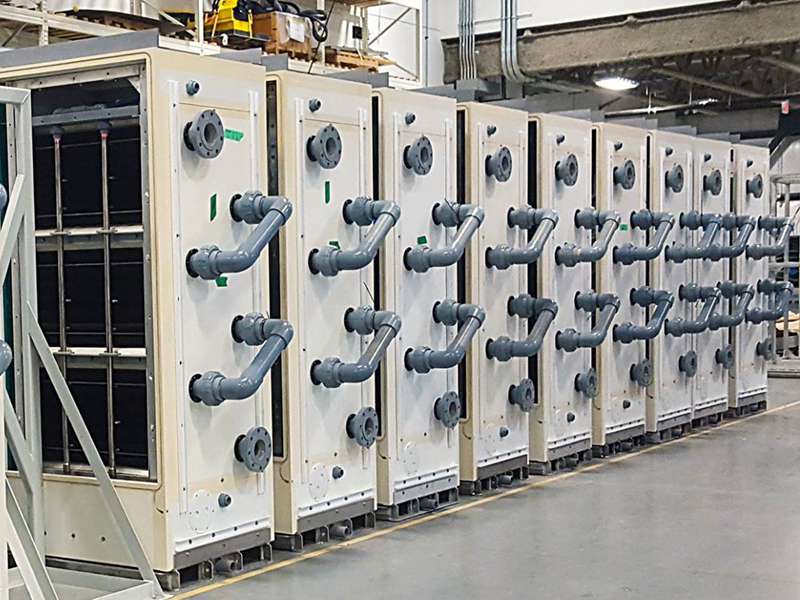
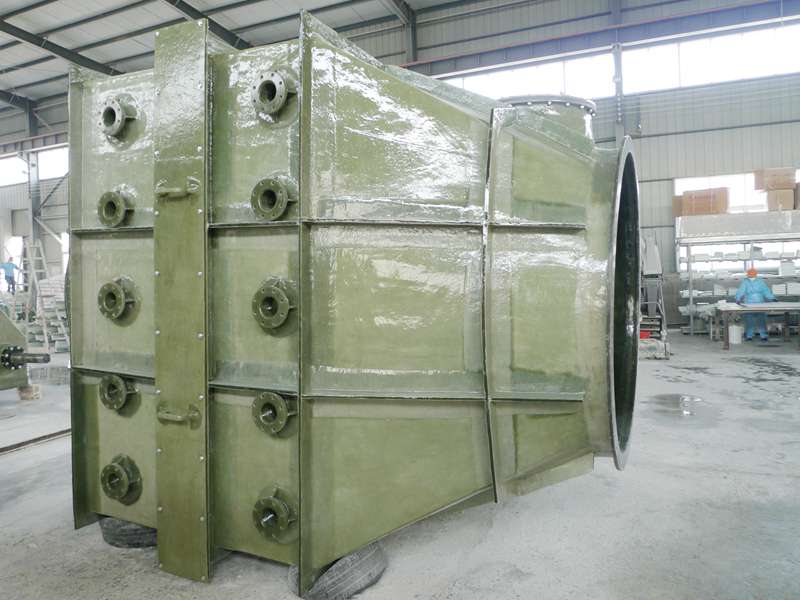
At its core, an FRP rectangular tank is a storage unit shaped like a cuboid, made primarily from fiber-reinforced plastic — a composite of resin and fibers like glass. Its rectangular form is practical, making optimal use of space in tight sites or modular setups. These tanks preserve liquids ranging from potable water to chemicals without the risks of rust or contamination often seen with metal tanks. They are increasingly important not only in industrial applications but in humanitarian efforts, especially in disaster zones where quick deployment of durable water storage is vital.
Core Components of FRP Rectangular Tanks
Durability
The fiberglass layers embedded in resin grant these tanks exceptional resistance to chemical corrosion, UV degradation, and physical impact. In real terms, this means they last decades longer than steel in demanding environments.
Scalability & Size Options
FRP tanks come in various sizes and thicknesses — from small 500-liter containers to massive multi-thousand-liter storage units. Their rectangular shape also makes stacking or placing side by side more space-efficient.
Cost Efficiency
Although initial costs might seem higher than plastic or metal alternatives, FRP tanks often save money over time because they require less maintenance and avoid costly leaks or replacements.
Lightweight Yet Strong
Because they weigh less, installation and transportation demand fewer resources and labor — a big deal in remote or disaster-stricken areas.
Environmental Resistance
These tanks handle a range of temperatures and resist harmful UV rays and moisture, making them ideal across climates.
Product Specification Table
| Feature | Specification |
|---|---|
| Material | Fiber Reinforced Plastic (Glass Fiber Reinforced Polymer) |
| Shape | Rectangular |
| Capacity Range | 500 L to 50,000 L+ |
| Operating Temperature | -40°C to +80°C |
| UV Resistance | Excellent with UV inhibitors |
| Lifespan | 15-30 years (depending on conditions) |
Mini takeaway: When shopping for storage tanks, the blend of lightweight durability and chemical resistance puts FRP rectangular tanks well ahead of conventional options.
Global Applications & Use Cases
You’ll find these tanks used in various sectors:
- Water Treatment Facilities: Safe storage of potable and industrial water in Asia and Africa.
- Agriculture: Storing fertilizer or water in South American farms.
- Disaster Relief: Quick-install water tanks shipped to earthquake or flood zones, helping NGOs secure clean water.
For example, in the 2018 Sulawesi earthquake, FRP tanks were deployed rapidly to supply drinking water to remote communities. - Industrial Chemicals: Corrosion-resistant tanks safely holding acids or caustics in chemical plants worldwide.
In fact, many organizations praise the tanks’ modular nature — suitable for both permanent installations and temporary, mobile setups.
Vendor Comparison Table
| Vendor | FRP Expertise | Capacity Range | Customization Options | Global Reach |
|---|---|---|---|---|
| JRain FRP | 25+ years | 500 L to 50,000 L | Full custom design & accessories | Asia, Africa, Americas |
| Global Tanks Inc. | 15 years | 1,000 L to 40,000 L | Standard models only | Europe and Americas |
| EcoComposite Solutions | 10 years | 300 L to 20,000 L | Eco-friendly resins only | Local/regional |
Advantages and Long-Term Value
Now, why are these tanks considered a game changer? The benefits stack up. Cost-wise, they reduce maintenance calls and downtime thanks to chemical and corrosion resistance. From a sustainability angle, their longer lifespan means fewer replacements and less waste — a nice bonus since the world increasingly prizes circular economy solutions. Emotionally, they foster trust and safety — you don’t want your community drinking from questionable storage — and for industrial clients, innovation signals reliability.
Emerging Trends and Innovations
The future looks even better. New resin technologies are improving green credentials by incorporating bio-based or recyclable components. Digital monitoring sensors embedded in tanks help managers track liquid levels and detect leaks before they escalate. Automation in manufacturing means higher consistency and customization. And oddly enough, modular stackable rectangular tanks hint at even greater space-efficiency in urban settings.
Challenges and Solutions
Of course, no tech is without hiccups. UV degradation can shorten lifespan unless properly inhibited. Transporting large tanks to especially remote areas still poses logistical challenges. Plus, the upfront investment — while justified long-term — may deter smaller users. That said, partnering with established experts like the team behind frp rectangular tank solutions can smooth installation and ongoing support.
Frequently Asked Questions About FRP Rectangular Tanks
- Q: How long do FRP rectangular tanks typically last?
A: Most well-maintained FRP tanks last between 15 to 30 years, depending on environmental factors and usage conditions. - Q: Can these tanks safely store drinking water?
A: Absolutely. FRP tanks are food-grade compatible when made with proper resins, making them suitable for potable water storage. - Q: Are the tanks resistant to extreme temperatures?
A: Yes, they typically withstand from about -40°C up to +80°C, making them versatile for various climates. - Q: How customizable are the tanks?
A: Many manufacturers offer full customization including size, shape, accessories, and fittings to meet specific needs. - Q: How can NGOs import FRP tanks for international relief efforts?
A: Working with experienced vendors who understand customs and shipping logistics ensures smooth international delivery; many suppliers offer direct export services.
Conclusion: Durable Storage for a Changing World
In summary, frp rectangular tanks pair engineering finesse with practical design and global relevance. From reducing environmental impact to delivering reliable liquid storage in some of the world’s toughest conditions, they represent a smart, future-ready investment. If you’re looking to upgrade your storage solutions or need tanks for emergent needs, it's worth exploring products at https://www.jrain-frp.com — a trusted vendor in this space. In real terms, these tanks don't just hold liquids—they hold promising solutions for a more resilient world.
Mini takeaway: Choosing the right frp rectangular tank can be the difference between temporary fixes and sustainable infrastructure.
References


Latest news
-
Industrial High Pressure Fiberglass Pipe Guide and Technical SpecsNewsApr.16,2026
-
Industrial Storage Guide for Fiberglass Chemical TanksNewsApr.09,2026
-
Explore Durable and Customizable Custom Fiberglass Tanks for Your IndustryNewsApr.07,2026
-
Comprehensive Guide to Fiberglass Roof Tanks for Liquid Storage SolutionsNewsApr.04,2026
-
Comprehensive Guide to Durable and Corrosion Resistant Glass Fiber TanksNewsMar.31,2026
-
Comprehensive Guide to Tank Fiberglass Solutions and Their Diverse ApplicationsNewsMar.28,2026