



Comprehensive Guide to FRP Scrubbers: Benefits, Uses & Innovations
The World of FRP Scrubbers: What They Are and Why They Matter
In our fast-paced industrial world, FRP scrubbers have quietly become game changers for pollution control and environmental protection. Across the globe, industries grapple with harmful emissions and toxic gases, and FRP scrubbers offer a practical, cost-effective shield against these pollutants. Understanding what an FRP scrubber is, how it works, and why it matters can give you a window into sustainable industrial operations — and that’s not just corporate jargon. It touches on cleaner air, worker safety, and even community health.
The Global Context: Why FRP Scrubbers Are More Relevant Than Ever
With rising industrialization noted by the United Nations Sustainable Development Goals, air pollution became a top global challenge. According to the World Health Organization (WHO), approximately 7 million premature deaths a year are linked to air pollution. Keeping industrial emissions in check isn’t a niche concern anymore — it’s a shared priority. This is where FRP scrubbers come in. They’re designed to remove harmful gases like sulfur dioxide (SO2), ammonia, and other contaminants from exhaust streams. Thoughtfully engineered and widely applicable, these systems address the demand for cleaner emissions at scale.
Industries from power generation to chemical manufacturing increasingly use these scrubbers to meet stricter environmental regulations. In countries where enforcement is ramping up, FRP scrubbers are often the most feasible solution, especially given their corrosion resistance and ease of installation.
Defining an FRP Scrubber: What Does It Actually Mean?
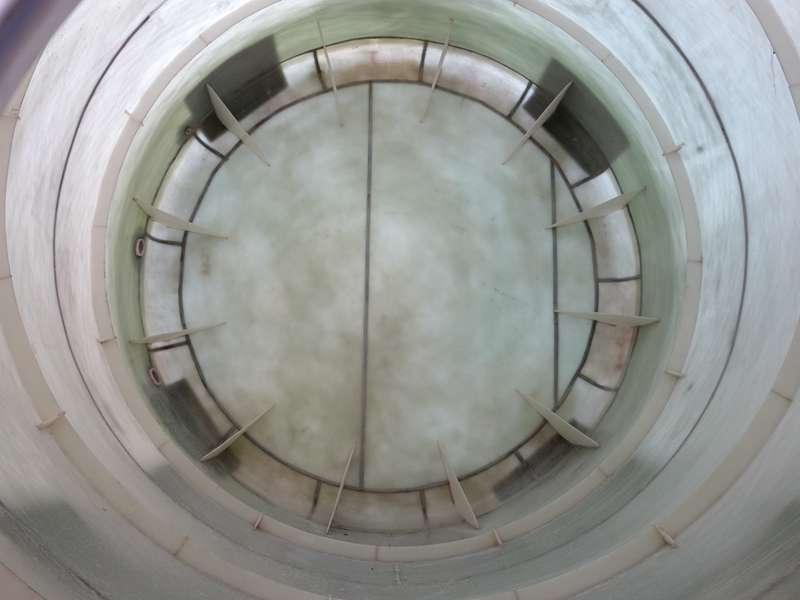
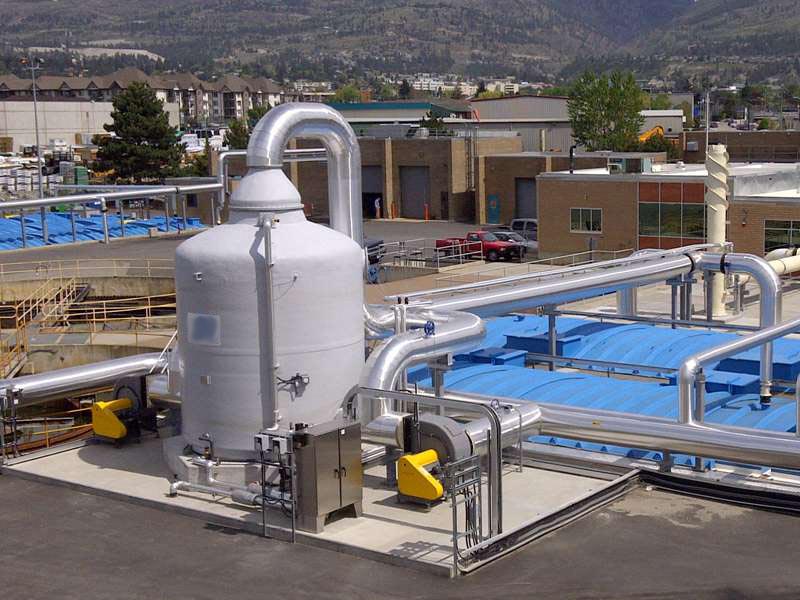
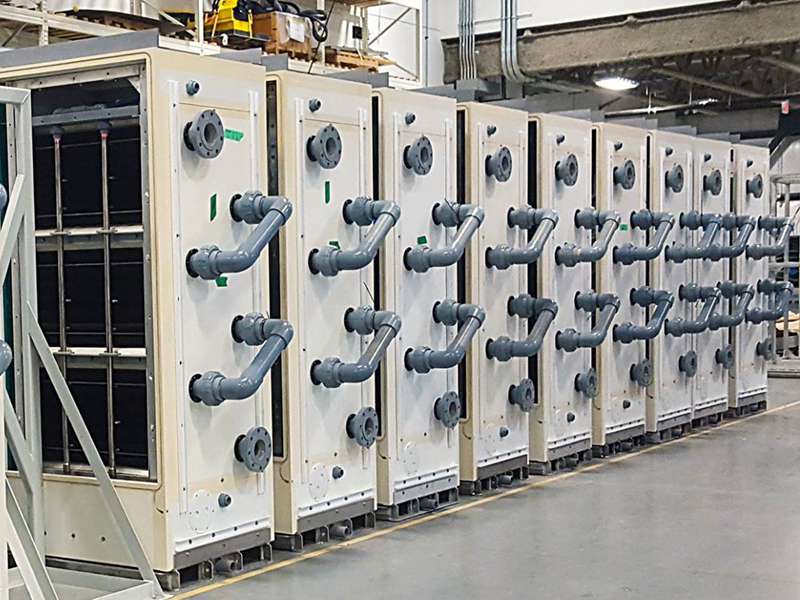
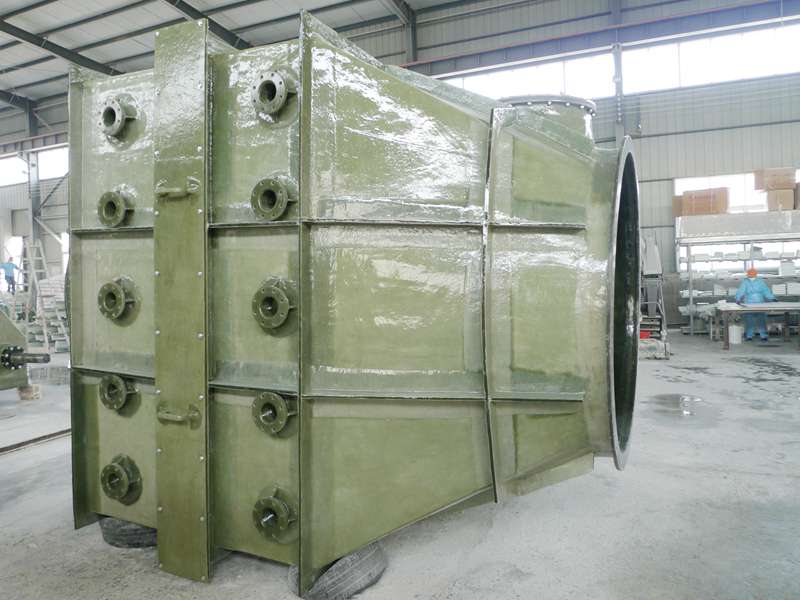
At its core, an FRP scrubber is a type of chemical scrubber made predominantly from Fiber Reinforced Plastic (FRP). Think of it as a large, hollow column or tower that cleans harmful gases through a washing process, usually using a liquid absorbent. The magic is the FRP construction: lightweight, exceptionally resistant to acids and corrosion, and durable. It allows scrubbers to operate in harsh environments that would quickly degrade metal counterparts.
Industries like pharmaceuticals, wastewater treatment, and petrochemicals utilize these scrubbers not only because they’re effective but because they can be customized to very specific industrial waste streams. It’s essentially the unsung hero of modern air pollution control.
Key Components That Make FRP Scrubbers Tick
1. Durability & Corrosion Resistance
FRP’s main charm lies in standing strong against chemically aggressive gases. Unlike steel, it won’t rust, pit, or weaken, which means longer service life and less maintenance downtime. This is especially important when dealing with acidic gases.
2. Scalability & Modular Design
FRP scrubbers can be tailored almost infinitely — from small-scale lab setups to sprawling industrial applications. Their modular nature means swapping or adding components is fairly straightforward, helpful for evolving emission standards or production needs.
3. Cost-Effectiveness Compared to Metals
Steel scrubbers might seem like a good idea initially but tend to rack up expenses with frequent repairs and chemical-resistant linings. FRP’s life cycle cost is generally lower, which is why many plant engineers prefer it when considering total cost over years.
4. Easy Installation & Maintenance
It may surprise some, but FRP scrubbers are usually lighter and easier to handle, reducing installation time. Also, cleaning inspections are simpler given access panels in smart designs.
5. Chemical Compatibility
Every industrial gas mixture is different. FRP materials can be tailored with specific resin systems — like vinyl ester or epoxy resins — to handle unique chemical challenges.
Mini takeaway: FRP scrubbers blend engineering savvy with flexible design — making them industry favorites for tackling toxic emissions in many environments.
Real-World Applications of FRP Scrubbers
The practical uses of FRP scrubbers spread wide and far. Power plants battling sulfur dioxide emissions in China and India rely heavily on them. European chemical factories use them to meet stringent EU emission rules. Even in Latin America, mining operations deploy FRP scrubbers to neutralize noxious gases released by processing ore.
One particularly interesting use is in post-disaster temporary power or wastewater treatment plants, where rapid deployment is key and corrosion resistance is vital. Similarly, offshore oil rigs, often exposed to salty, acidic air, lean on FRP scrubbers to maintain their environmental compliance.
Oddly enough, some urban municipalities in the US incorporate scrubbers into waste incinerator setups for better air quality control. In all these cases, the underlying theme is clear: reliable, cost-effective pollution control is a universal need — and FRP scrubbers fit that bill nearly everywhere.
Advantages and the Long-Term Value You Can Count On
- Cost savings: Lower maintenance and longer lifespan make them easier on budgets.
- Sustainability: Less chemical waste from corrosion and fewer replacements.
- Worker safety and community health: Cleaner emissions mean fewer health hazards downstream.
- Trust & Innovation: Clients and regulators alike tend to prefer technologies with proven reliability.
These benefits combine to make FRP scrubbers more than just a compliance tool. They feel a bit like a promise for cleaner industry — one that respects workers, neighbors, and future generations alike. And that’s why many engineers and plant managers are vocal advocates.
Emerging Trends and Innovations in FRP Scrubber Technology
As green energy initiatives pick up steam, integration with renewable energy-powered controls is gaining traction. Imagine scrubbers paired with solar-powered fans or IoT sensors monitoring efficiency in real time. Also, sustainable resin materials derived from bio-based compounds are developing, pushing FRP toward even greener manufacturing footprints.
Automation and digital monitoring are helping operators optimize scrubber performance, cut down on human errors, and anticipate maintenance needs before issues arise. Some vendors now even offer cloud-based emission tracking services, tying into environmental compliance dashboards — linking the scrubber’s physical hardware with the world of digital oversight.
Common Challenges—and Smart Solutions
One challenge is that FRP scrubbers must be precisely engineered for specific chemical mixes; a generic solution sometimes leads to shortened life spans or inefficiency. It’s a bit like buying shoes that look good but don’t fit well. Expert consultation and onsite characterization of gases are strongly advised.
Another issue is fouling — unwanted buildup inside the scrubber. Regular maintenance and installing advanced mist eliminators can mitigate this. Engineering smarter internal packing materials is also an ongoing research theme.
FAQ: Your Quick Guide to FRP Scrubbers
- How does FRP resist corrosion better than metal scrubbers?
- FRP is made of plastic reinforced with glass fibers and special resins, making it chemically inert to many acids and bases that corrode steel. This means fewer breakdowns and longer service life, especially when processing acidic gases.
- Are FRP scrubbers suitable for small-scale operations?
- Absolutely. Their modularity allows designs to fit both small and large operations. Even labs or pilot plants use compact versions because they’re lightweight and easy to install.
- What maintenance does an FRP scrubber require?
- Routine inspections, cleaning to avoid residue buildup, and monitoring of packing materials usually suffice. Compared to metal scrubbers, maintenance tends to be less frequent and less intensive.
- Can FRP scrubbers handle high temperatures?
- FRP has some temperature limits, often up to around 60–80°C (140–176°F). For hotter gases, specialized materials or hybrid designs might be needed.
- How do I ensure my FRP scrubber meets environmental regulations?
- Partnering with experienced manufacturers who customize scrubbers for your emissions and local laws is key. Testing and certification to standards like ISO 14001 help ensure compliance.
Product Specification Table: A Typical FRP Scrubber Overview
| Specification | Details |
|---|---|
| Material | Fiber Reinforced Plastic (Vinyl Ester Resin) |
| Height | 3 - 10 meters (customizable) |
| Diameter | 0.5 - 2 meters |
| Operating Temperature | Up to 80°C (176°F) |
| Gas Flow Rate | 100 - 20,000 m³/hr |
| Maintenance Interval | Every 6-12 months |
Comparing Leading FRP Scrubber Vendors
| Vendor | Customization | Pricing Range | Lead Time | After-Sales Support |
|---|---|---|---|---|
| FRP Solutions Inc. | High (custom resin systems) | $15,000 - $45,000 | 4-6 weeks | 24/7 technical hotline |
| EnviroClean Tech | Medium (standard models) | $12,000 - $35,000 | 3-5 weeks | Regular maintenance contracts |
| GreenAir Industries | Low (catalog stock items) | $10,000 - $25,000 | 2-3 weeks | Limited on-site service |
Wrapping It Up: Why FRP Scrubbers Are a Smart Investment
When you summarize the story of FRP scrubbers, it’s about marrying smart materials science with practical pollution control. They stand resilient in tough environments, offer long-term savings, and are surprisingly versatile. That’s why they’re becoming the go-to option for cleaner, safer operations across continents.
If you’re an engineer, plant manager, or environmental officer aiming to meet progressive emissions standards with a sensible budget, frp scrubber solutions from trusted suppliers like JRAIN-FRP can make all the difference. Whether upgrading existing setups or planning new infrastructure, the time to explore FRP technology is nigh.
References & Further Reading


Latest news
-
Industrial High Pressure Fiberglass Pipe Guide and Technical SpecsNewsApr.16,2026
-
Industrial Storage Guide for Fiberglass Chemical TanksNewsApr.09,2026
-
Explore Durable and Customizable Custom Fiberglass Tanks for Your IndustryNewsApr.07,2026
-
Comprehensive Guide to Fiberglass Roof Tanks for Liquid Storage SolutionsNewsApr.04,2026
-
Comprehensive Guide to Durable and Corrosion Resistant Glass Fiber TanksNewsMar.31,2026
-
Comprehensive Guide to Tank Fiberglass Solutions and Their Diverse ApplicationsNewsMar.28,2026