



Durable and Lightweight FRP Covers: The Future of Infrastructure Protection
What is an FRP Cover and Why Does It Matter Globally?
In a world increasingly focused on infrastructure durability and sustainability, FRP cover — that’s Fiber Reinforced Polymer cover, if you're wondering — is quietly becoming a star player. Whether it's protecting underground utilities, safeguarding delicate installations, or serving critical infrastructure in disaster zones, understanding what FRP covers bring to the table is essential. They blend strength, lightness, and corrosion resistance in a way steel or concrete just can’t match, making them indispensable worldwide. I mean, it’s not just about simple covers: we’re talking functional, engineered solutions that keep vital systems safe and accessible.
Globally, utilities and industrial sectors face challenges like corrosion, theft, and costly maintenance. FRP covers address many of these headaches directly, making them vital in both urban and remote settings.
Global Context: Why FRP Covers Are Increasingly Important
According to the International Organization for Standardization (ISO), infrastructure protection standards are evolving rapidly, reflecting growing concerns over durability, safety, and sustainability. The global market for composite materials, including FRP, is expected to surpass $37 billion by 2027, driven largely by infrastructure projects in developing regions and climate resilience demands.
One notable problem is corrosion and degradation of traditional covers in harsh environments. The UN Environment Programme points out that infrastructure failure due to corrosion accounts for billions in cost annually—a problem FRP covers help to mitigate.
Furthermore, industries ranging from oil and gas to telecommunications increasingly look to lightweight but tough solutions to reduce installation time and costs, especially in remote or disaster-affected zones.
What Exactly is an FRP Cover?
At its simplest, an FRP cover is a lid or protective shield made from Fiber Reinforced Polymer composites. These materials combine fibers (like fiberglass or carbon fiber) with a polymer resin matrix, resulting in an incredibly strong yet lightweight product.
Unlike metal covers prone to rust, or concrete ones difficult to move and prone to cracks, FRP covers provide a corrosion-resistant, electrically non-conductive, and customizable solution. Ideal for modern infrastructure needs—and frankly, the kinds of industries where durability and quick access must harmonize.
Key Factors Behind the Success of FRP Covers
Durability & Corrosion Resistance
This is often the biggest selling point. FRP covers withstand chemicals, water, and harsh environments for decades without significant wear. Many industries, especially those near coastal or industrial zones, consider corrosion resistance a non-negotiable feature.
Lightweight & Ease of Installation
Compared to cast iron or concrete, FRP covers are a fraction of the weight. This lowers installation time and reduces labor costs. Plus, it’s easier for maintenance crews to handle without special machinery.
Customizable Design & Safety Features
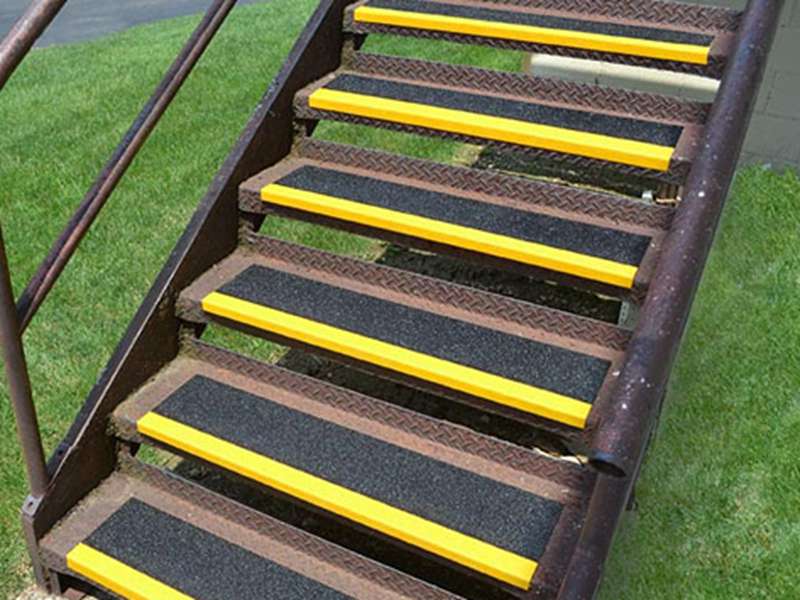
FRP is versatile–manufacturers can tailor sizes, load ratings, anti-slip surfaces, and even color coding for different applications. This helps meet unique site specifications and improves overall safety.
Cost Efficiency Over Time
Though the initial price might be a bit higher than some traditional covers, the long-term savings from reduced maintenance and replacement cycles easily justify the investment.
Environmental Impact
FRP covers have a smaller carbon footprint during manufacturing and transport due to lower weight. Many are recyclable or incorporate sustainable materials, aligning with global green infrastructure goals.
Mini takeaway: FRP covers uniquely balance strength, weight, and longevity—a trio hard to beat in infrastructure protection.
Global Applications: Where and How FRP Covers Make a Difference
Maybe the most fascinating aspect is just how widespread FRP covers have become.
- Urban Utility Networks: Cities across Europe and Asia increasingly specify FRP covers for electrical vaults and manholes to cut down on corrosion and theft.
- Post-Disaster Relief: In places like the Philippines or Indonesia, fast-deployable FRP solutions protect critical infrastructure from repeated typhoon damage.
- Industrial Sites: Chemical plants and refineries in the Middle East select FRP because it doesn’t spark and withstands aggressive chemicals.
- Remote Infrastructure: Mines or telecom stations in Africa and Australia rely on lightweight FRP covers to avoid complicated logistics.
Oddly enough, some NGOs even deploy small-scale FRP covers to protect medical supplies in unpredictable environments due to their resilience.
Advantages & Long-Term Value of FRP Covers
Beyond the technical specs, the true advantage of an FRP cover is trust. Engineers and facility managers often say the peace of mind knowing critical cables and valves are shielded well is worth its weight in gold.
- Safety: Non-conductivity reduces electrical hazards.
- Dignity: In humanitarian settings, durable covers help maintain sanitation and infrastructure integrity.
- Sustainability: Less frequent replacement means fewer resource demands.
- Innovation: Integration with digital sensors and RFID tags is easier than with metal covers.
One regional water utility told me they reduced their cover replacement budget by 40% after switching to FRP—talk about savings meeting innovation.
Looking Ahead: Future Trends & Innovations
As with many materials, FRP covers are not standing still. Advances include:
- Bio-based resins: Making polymer matrixes from renewable resources to reduce environmental impact.
- Smart Covers: Embedded sensors track cover status remotely, an emerging boon for smart city infrastructure.
- Automated Manufacturing: Robotics help produce more precise, customizable units faster.
- Green Certifications: New policies encourage specifying covers with verified low carbon footprints.
The industry seems poised to merge traditional robustness with next-gen tech all while being eco-friendly—quite the trifecta.
Challenges and Practical Solutions
While FRP covers excel in many areas, they are not without challenges:
- Cost Sensitivity: Initial prices can be a barrier in budget-restricted projects.
- UV Degradation: Some FRP covers may degrade if exposed to prolonged sunlight without protective coatings.
- Standardization: Regulatory differences across countries sometimes slow adoption.
To tackle these, manufacturers now offer UV-resistant coatings, modular designs to reduce waste, and actively work on global certifications to smooth international procurement.
FRP Cover Product Specifications
| Feature | Specification |
|---|---|
| Material | Fiberglass Reinforced Polymer with UV resistant coating |
| Dimensions | Custom sizes 300mm to 1200mm diameter |
| Weight | 8–15 kg (varies by size) |
| Load Rating | Class A15 to D400 (pedestrian to heavy traffic) |
| Certifications | ISO 9001, ASTM standards for composites |
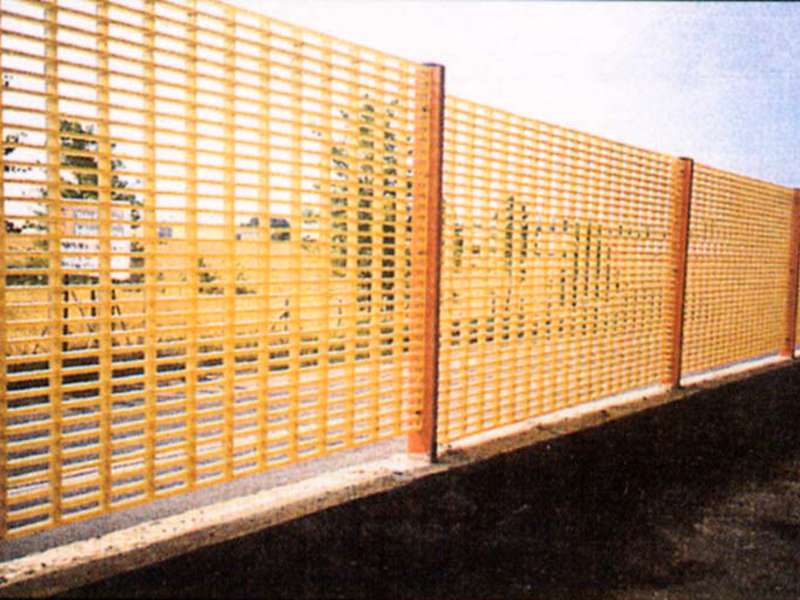
| Color Options | Multiple (standard grey, yellow, red, custom) |
| Additional Features | Anti-slip, locking mechanism available |
Vendor Comparison: Top FRP Cover Manufacturers
| Vendor | Global Reach | Product Range | Certifications | Customization |
|---|---|---|---|---|
| Jrain Composites (Website) | Asia-Pacific, Middle East, Africa | Manhole covers, cable covers, ventilation grates | ISO 9001, ASTM D750 | High (color, size, locks) |
| GlobalComposites Ltd. | Europe, North America | Standard manhole covers, walkways | EN 124 certified | Medium |
| FiberGuard Solutions | Global (specialized projects) | Heavy-duty, industrial-scale covers | ISO 14001, ASTM | Custom engineering available |
Frequently Asked Questions About FRP Covers
What makes FRP covers better than traditional metal or concrete ones?
FRP covers are lighter, corrosion-resistant, and customizable. Unlike metal, they don’t rust or conduct electricity, and unlike concrete, they can be tailored in size and weight for faster and safer installation.
How long can an FRP cover last in industrial settings?
With proper maintenance, FRP covers typically last 20–30 years. Their resistance to chemicals and weathering extends their lifespan compared to conventional materials, lowering total cost of ownership.
Are FRP covers eco-friendly and recyclable?
Many FRP products use recyclable materials and bio-based resins, making them more sustainable than traditional options. Their lighter weight also reduces carbon emissions in shipping and handling.
Can FRP covers be used in high-traffic or heavy load areas?
Yes, FRP covers are engineered to meet various load classes, from pedestrian traffic (A15) to heavy vehicular loads (up to D400 and beyond), suitable for roads, airports, and industrial zones.
How can companies source FRP covers internationally?
Leading vendors like Jrain Composites specialize in global shipping and certifications required for international deployment, making import and compliance relatively straightforward.
Wrapping Up: The Last Word on FRP Covers
It’s not every day a product quietly reshapes infrastructure durability and efficiency across continents. FRP covers offer a blend of long-lasting performance, environmental benefits, and practical customization that traditional materials struggle to match. Whether you’re a utilities engineer, procurement officer, or NGO logistics manager, considering FRP is increasingly wise.
For those curious to dive deeper or explore tailored FRP cover solutions — I’d recommend visiting our website for expert advice and cutting-edge products. The future of dependable, sustainable covering solutions is fiber-reinforced and ready to serve.
References and Resources
Latest news
-
Industrial High Pressure Fiberglass Pipe Guide and Technical SpecsNewsApr.16,2026
-
Industrial Storage Guide for Fiberglass Chemical TanksNewsApr.09,2026
-
Explore Durable and Customizable Custom Fiberglass Tanks for Your IndustryNewsApr.07,2026
-
Comprehensive Guide to Fiberglass Roof Tanks for Liquid Storage SolutionsNewsApr.04,2026
-
Comprehensive Guide to Durable and Corrosion Resistant Glass Fiber TanksNewsMar.31,2026
-
Comprehensive Guide to Tank Fiberglass Solutions and Their Diverse ApplicationsNewsMar.28,2026