



Comprehensive Guide to FRP Shell: Global Impact, Applications, and Industry Insights
Understanding FRP Shell: Its Global Importance and Industry Impact
The term FRP shell might sound a bit technical, but rest assured it plays a surprisingly crucial role in modern industry and infrastructure worldwide. FRP stands for Fiber Reinforced Polymer, a composite material made from a polymer matrix reinforced with fibers — often glass or carbon. An FRP shell is essentially a structural enclosure or casing utilizing this material, prized for its remarkable strength-to-weight ratio, corrosion resistance, and design flexibility.
Globally, as urbanization accelerates and industrial demands rise, materials like FRP shells offer solutions to some tough challenges: building lightweight yet resilient structures, reducing maintenance costs, and promoting sustainability through durability. If you tune in, you’ll find FRP shells cropping up everywhere — from water tanks in arid regions to protective casings for electrical equipment, and even in disaster relief shelters.
Mini takeaway: Understanding FRP shells gives a window into how materials innovation quietly supports infrastructure resilience and environmental stewardship worldwide.
Why FRP Shells Matter Globally
The global FRP market is expanding, with reports estimating a compound annual growth rate of nearly 10% through 2030 (source). This growth reflects industrial sectors’ hunger for lightweight, durable materials that hold up under harsh conditions. Take construction, for example — traditional steel or concrete solutions often face corrosion or hefty maintenance. FRP shells sidestep many of these issues.
Moreover, the United Nations’ Sustainable Development Goals (SDGs) emphasize sustainable infrastructure and innovation, niches where FRP excels. FRP shells contribute to building long-lasting, low-impact structures with a smaller carbon footprint — a timely solution as industries reckon with climate change and resource scarcity.
Defining the FRP Shell
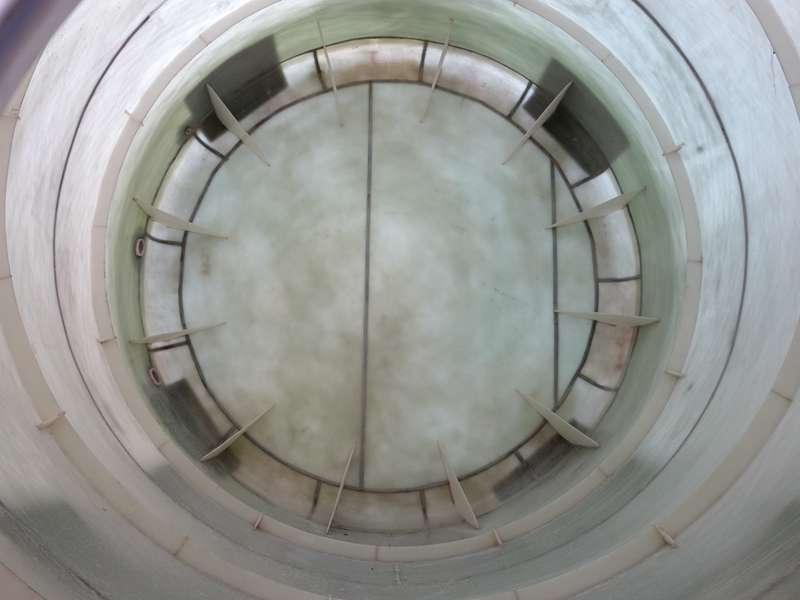
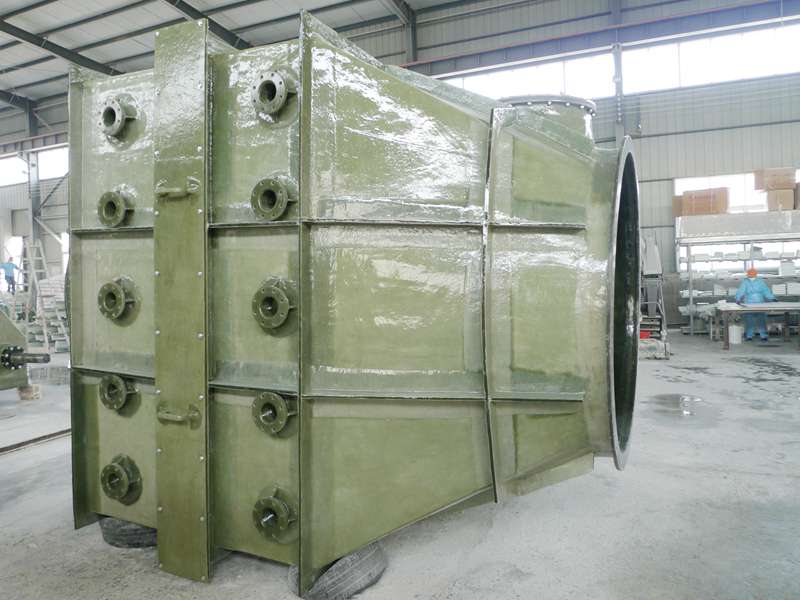
Simply put, an FRP shell is a hollow, typically curved structural component made from fiber-reinforced polymer composites. You might picture it as the protective ‘skin’ around devices, tanks, or housing modules. Because fiber reinforcement lends strength while the polymer matrix binds everything together and resists corrosion, these shells are lighter yet tougher than metals used in comparable applications.
This versatility links them directly to humanitarian needs too. For instance, fast-assembly shelters in disaster zones benefit from FRP’s durability and weather resistance, enhancing safety and comfort for displaced populations.
Core Components of FRP Shells
- Material Composition: Glass, carbon, or aramid fibers embedded in epoxy, polyester, or vinyl ester polymers.
- Structural Durability: Resistant to corrosion, chemicals, and ultraviolet (UV) degradation.
- Design Flexibility: Can be molded into complex shapes or large panels, enabling creative architectural solutions.
- Thermal Insulation: Offers moderate insulating properties useful in temperature-sensitive equipment enclosures.
- Weight Efficiency: Up to 60% lighter than steel, for easier transport and installation.
Each of these factors boosts FRP shells’ practical advantages — particularly when shipping and rapid deployment are critical.
Mini takeaway: The right mix of fibers and polymers in FRP shells makes them uniquely suited for modern technical and environmental challenges.
Product Specification Table: Typical FRP Shell Properties
| Property | Typical Value | Unit |
|---|---|---|
| Density | 1.5 - 2.0 | g/cm³ |
| Tensile Strength | 200 - 700 | MPa |
| Flexural Strength | 150 - 500 | MPa |
| Thermal Expansion | 5 - 10 | ×10⁻⁶ /°C |
| Service Temperature | -40 to 120 | °C |
Global Applications and Use Cases
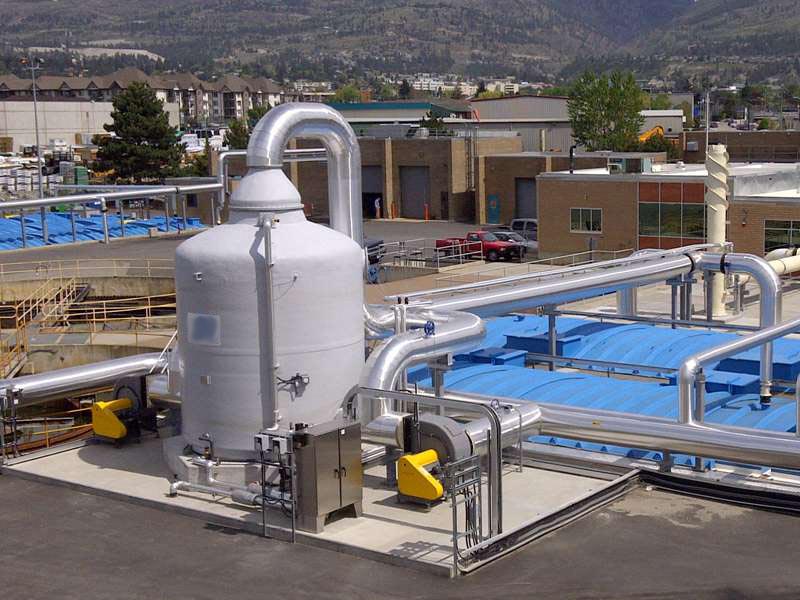
FRP shells play transformative roles across sectors and geographies. In Middle Eastern oil fields, for example, FRP enclosures shield sensitive monitoring equipment from corrosive salt-laden air. In Southeast Asia, FRP water tanks help communities safely store clean water without the heavy upkeep steel tanks demand.
Post-disaster relief efforts increasingly rely on FRP shell components for fast, weatherproof shelter solutions. NGOs often favor these lightweight materials during logistics-limited operations — say, after a cyclone lands on a remote coastline.
Even tech companies incorporate FRP shells into telecommunications equipment, enabling reliable networks in remote or humid environments.
Mini takeaway: The versatility of FRP shells spans from rugged industrial zones to humanitarian corridors, making them a go-to choice for tough environments.
Vendor Comparison Table: Leading FRP Shell Manufacturers
| Manufacturer | Material Options | Customization | Typical Lead Time | Price Range |
|---|---|---|---|---|
| Jrain FRP Systems | Glass, Carbon, Hybrid | High - bespoke sizes & finishes | 3-6 weeks | $$$ |
| Global Composites Co. | Glass Fiber Only | Moderate - standard molds only | 4-8 weeks | $$ |
| TechShell Industries | Carbon Fiber, Aramid Options | High - rapid prototyping available | 2-4 weeks | $$$$ |
Advantages and Long-Term Value of FRP Shells
What truly cements FRP shells’ place in industry is their blend of tangible and intangible benefits. First, there’s the cost efficiency; though initial expenses might run higher than some metals, the drastically reduced maintenance and longer lifespan often deliver measurable savings.
From a social perspective, FRP shells increase safety. Their non-conductive nature minimizes electrical risks around sensitive equipment. Add to that the peace of mind from corrosion resistance — no rust compromises structural integrity in salty or chemical-heavy environments. Frankly, that feels reassuring.
Finally, they embody sustainability. Lightweight materials drastically lower transportation emissions, while the durability reduces replacement waste. It's a win on multiple fronts.
Anticipating Future Trends and Innovations
The FRP shell world isn’t standing still. Innovations include enhanced bio-based resins that slash petrochemical content, aligning with global carbon neutrality goals. New fiber technologies like basalt fiber offer improved fire resistance, while automated manufacturing streamlines mass production without compromising quality.
Digital twins and IoT sensors embedded into FRP shells are starting to monitor structural health in real-time—sort of like giving these composite materials a nervous system. These trends suggest FRP shells will become smarter, greener, and even more integrated into the industries they serve.
Challenges and Solutions
It’s not all smooth sailing. Common challenges include the recyclability of composite materials and the higher upfront cost compared to traditional alternatives. Adhesion issues and UV degradation can also complicate long-term performance.
Yet, many engineers now address these concerns by incorporating recyclable thermoplastic matrices instead of thermoset polymers, developing UV-resistant coatings, and adopting lifecycle costing models that reveal the real value beyond initial price tags.
FAQ: Frequently Asked Questions About FRP Shell
- What distinguishes FRP shells from metal shells in industrial applications?
- FRP shells offer superior corrosion resistance and are significantly lighter, which eases installation and transportation. Unlike metals, they don’t rust and often require less maintenance, making them ideal for harsh environments.
- How long does an FRP shell typically last in outdoor conditions?
- With proper design and UV stabilization, FRP shells can last 20-30 years or more outdoors, depending on exposure level and maintenance routines.
- Can FRP shells be customized to fit non-standard sizes and shapes?
- Absolutely. One of FRP’s advantages is its moldability, allowing manufacturers to create bespoke shells that fit specific project needs, from curved tanks to complex equipment housings.
- Are FRP shells environmentally friendly?
- While manufacturing involves composites that can be tough to recycle, advances in bio-based resins and thermoplastic composites are improving eco-friendliness. Plus, the shells’ longevity and light weight contribute to lower environmental impact over their lifecycle.
- How can companies source quality FRP shells internationally?
- Partnering with reputable manufacturers like frp shell experts ensures access to certified products. It’s advisable to verify product certifications, lead times, and customization options before importing.
Conclusion
So, to wrap it up, the FRP shell isn’t just a technical term confined to factories or labs. It’s a quiet backbone enabling safer, more sustainable, and cost-effective infrastructure solutions worldwide. Whether it’s enabling clean water storage in rural communities or making industrial equipment last decades under tough conditions, FRP shells combine innovation with practicality.
Interested in exploring these versatile solutions further? Feel free to visit our website — a hub for cutting-edge FRP shell products and expertise.
Thanks for reading! Hopefully, you now have a clearer picture why these composite shells are quietly revolutionizing many sectors worldwide.
References:
1. Wikipedia - Fiber-reinforced plastic
2. United Nations Sustainable Development Goals - sdgs.un.org
3. ISO Standards for Composite Materials - iso.org
Latest news
-
Industrial High Pressure Fiberglass Pipe Guide and Technical SpecsNewsApr.16,2026
-
Industrial Storage Guide for Fiberglass Chemical TanksNewsApr.09,2026
-
Explore Durable and Customizable Custom Fiberglass Tanks for Your IndustryNewsApr.07,2026
-
Comprehensive Guide to Fiberglass Roof Tanks for Liquid Storage SolutionsNewsApr.04,2026
-
Comprehensive Guide to Durable and Corrosion Resistant Glass Fiber TanksNewsMar.31,2026
-
Comprehensive Guide to Tank Fiberglass Solutions and Their Diverse ApplicationsNewsMar.28,2026